 English
 Français


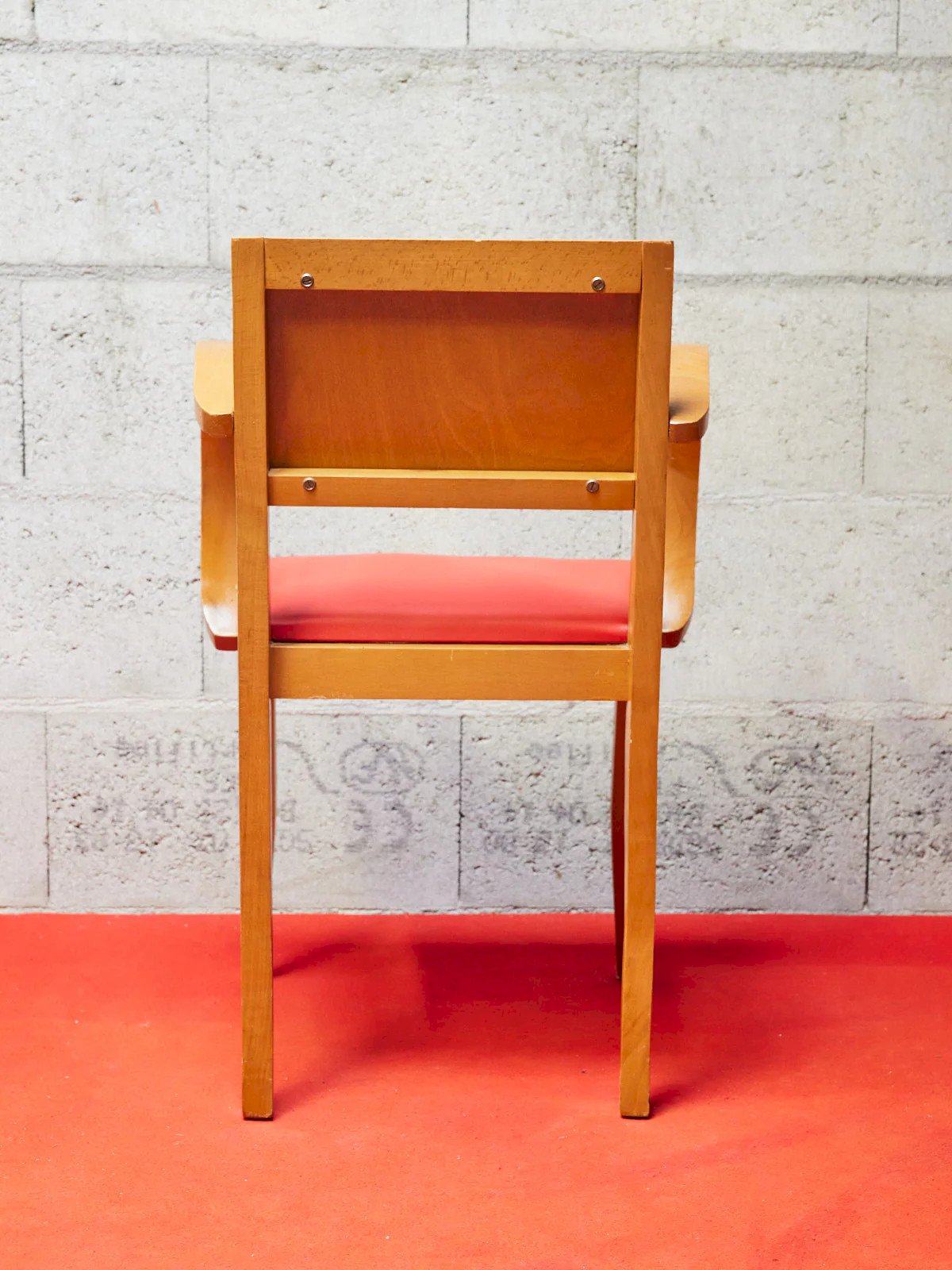
Description
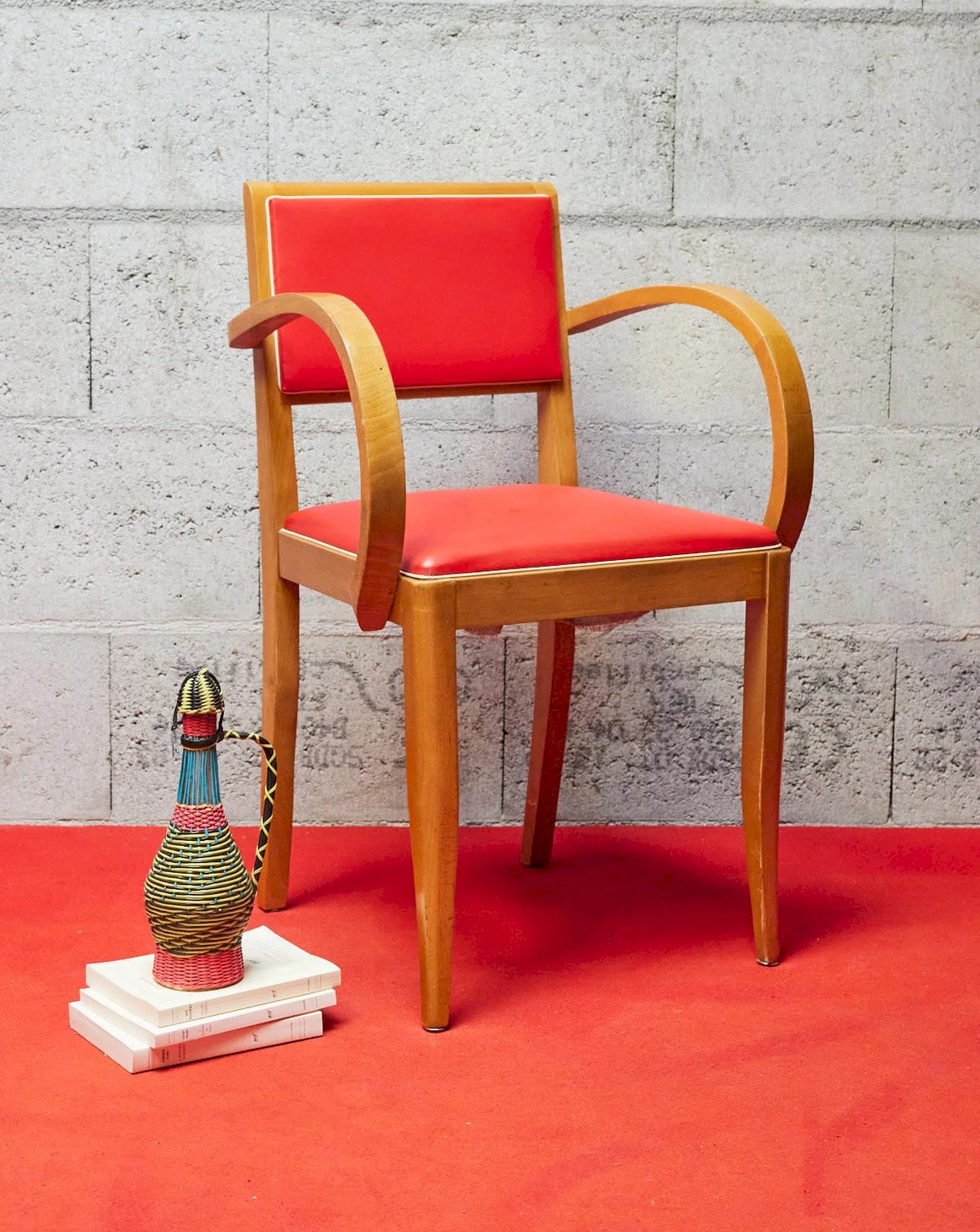
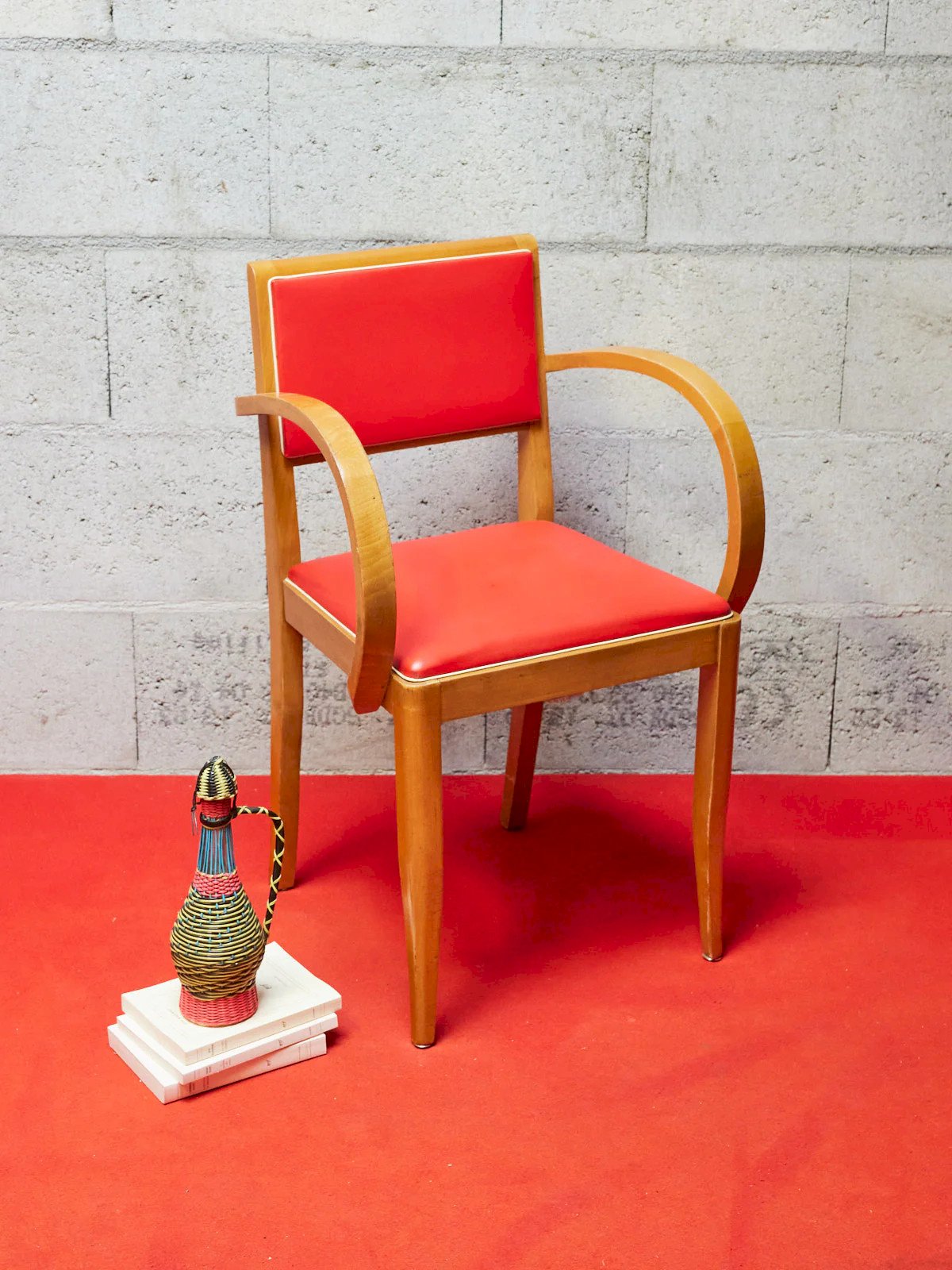
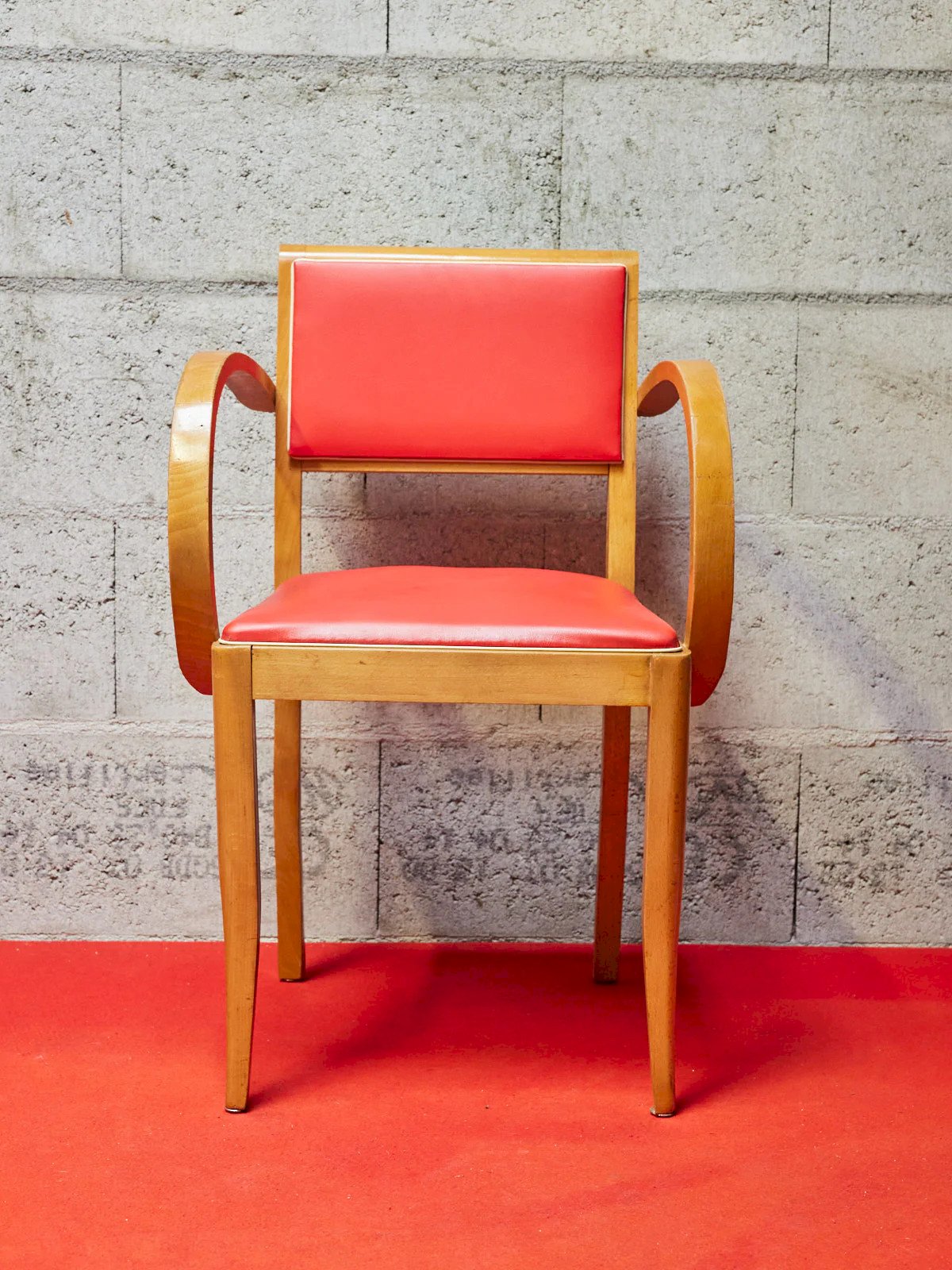
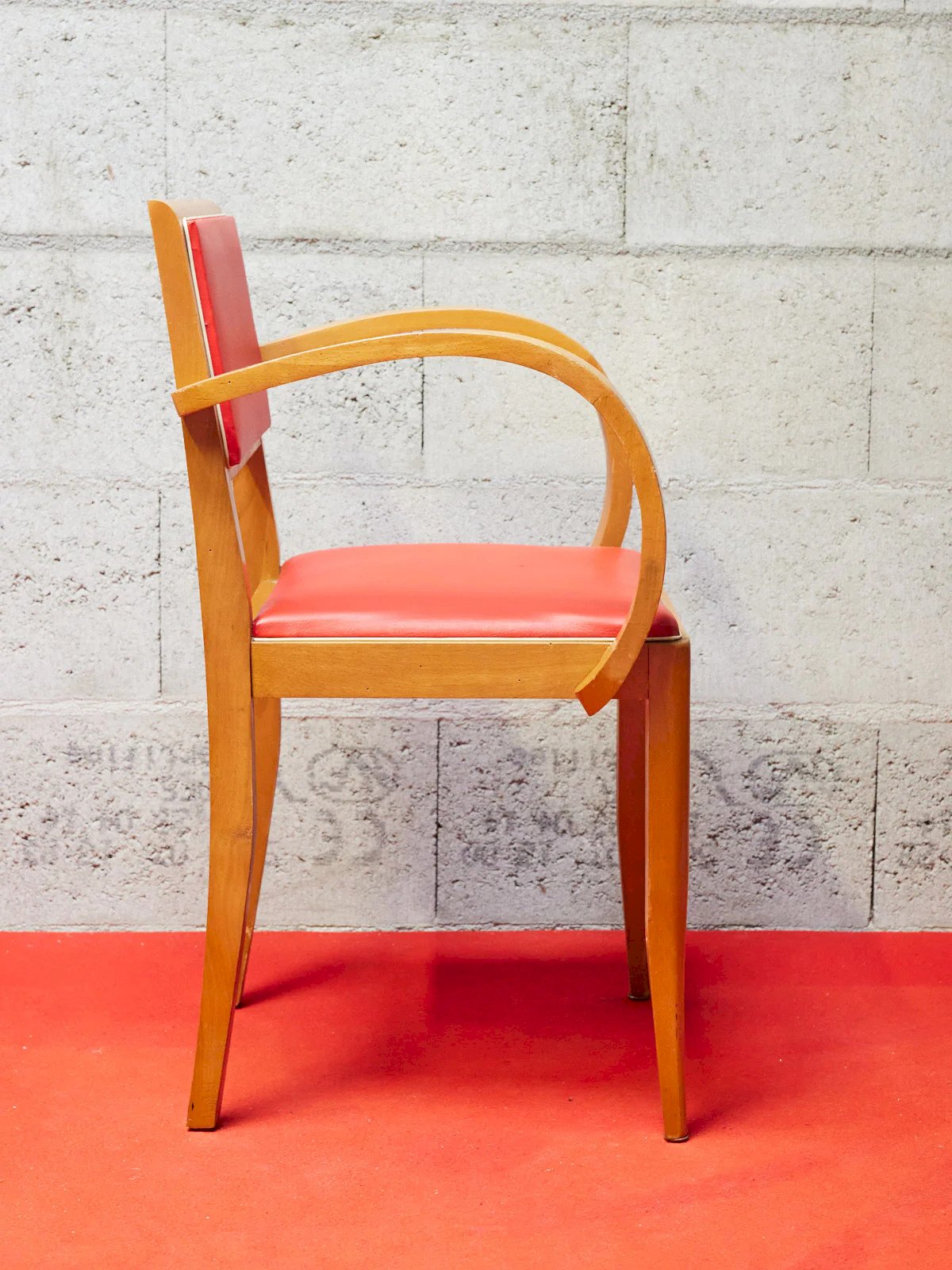
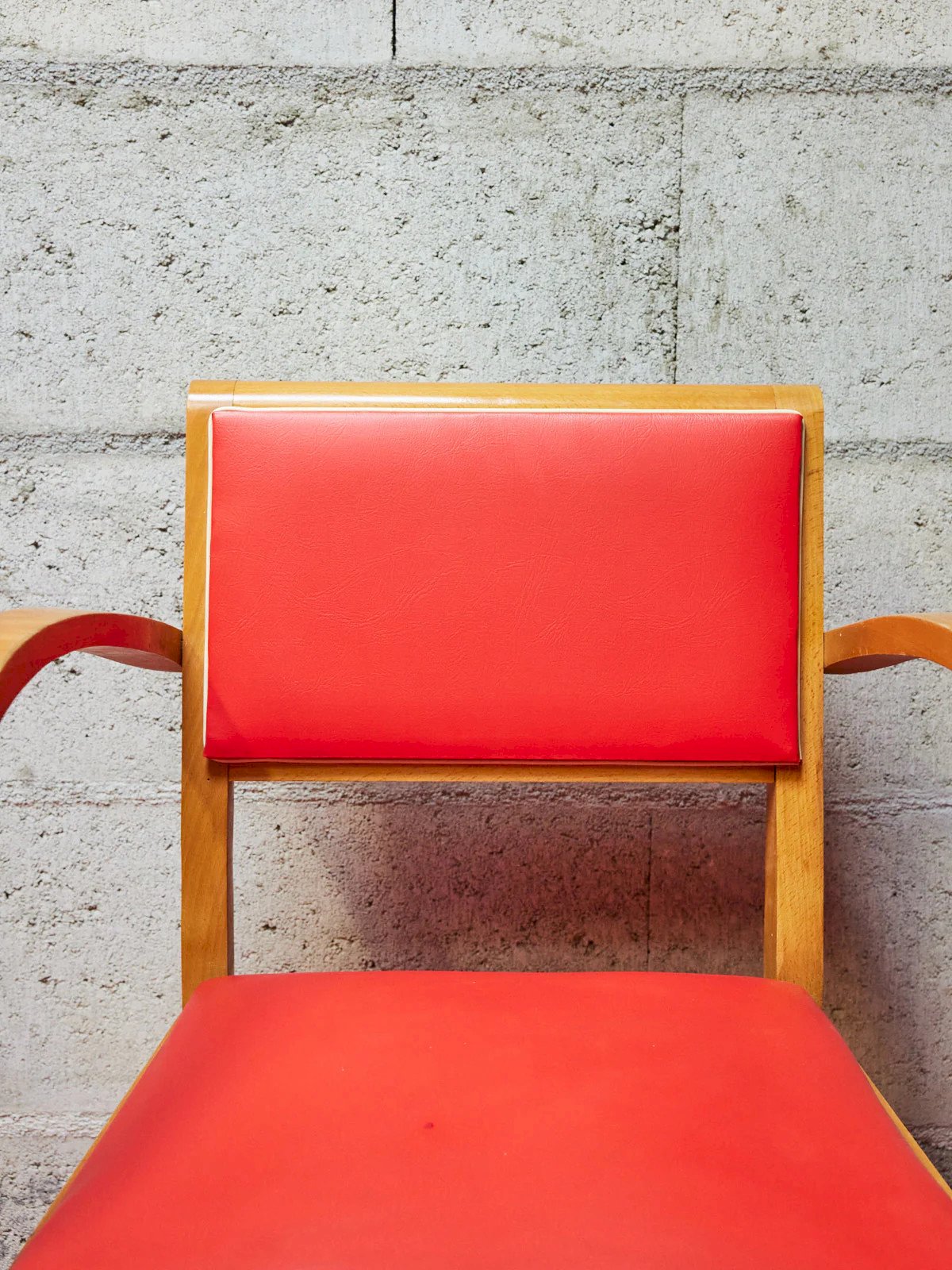
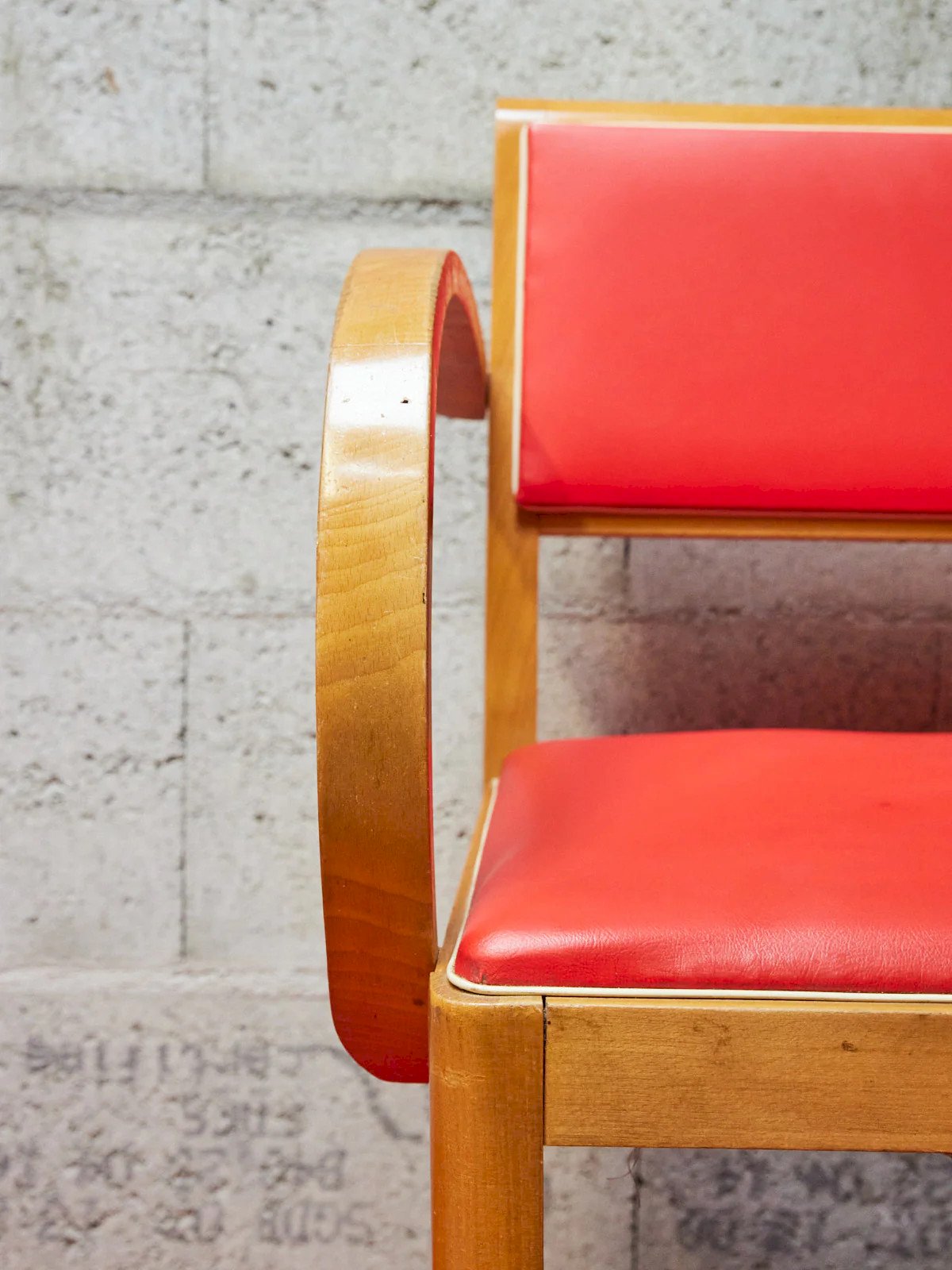
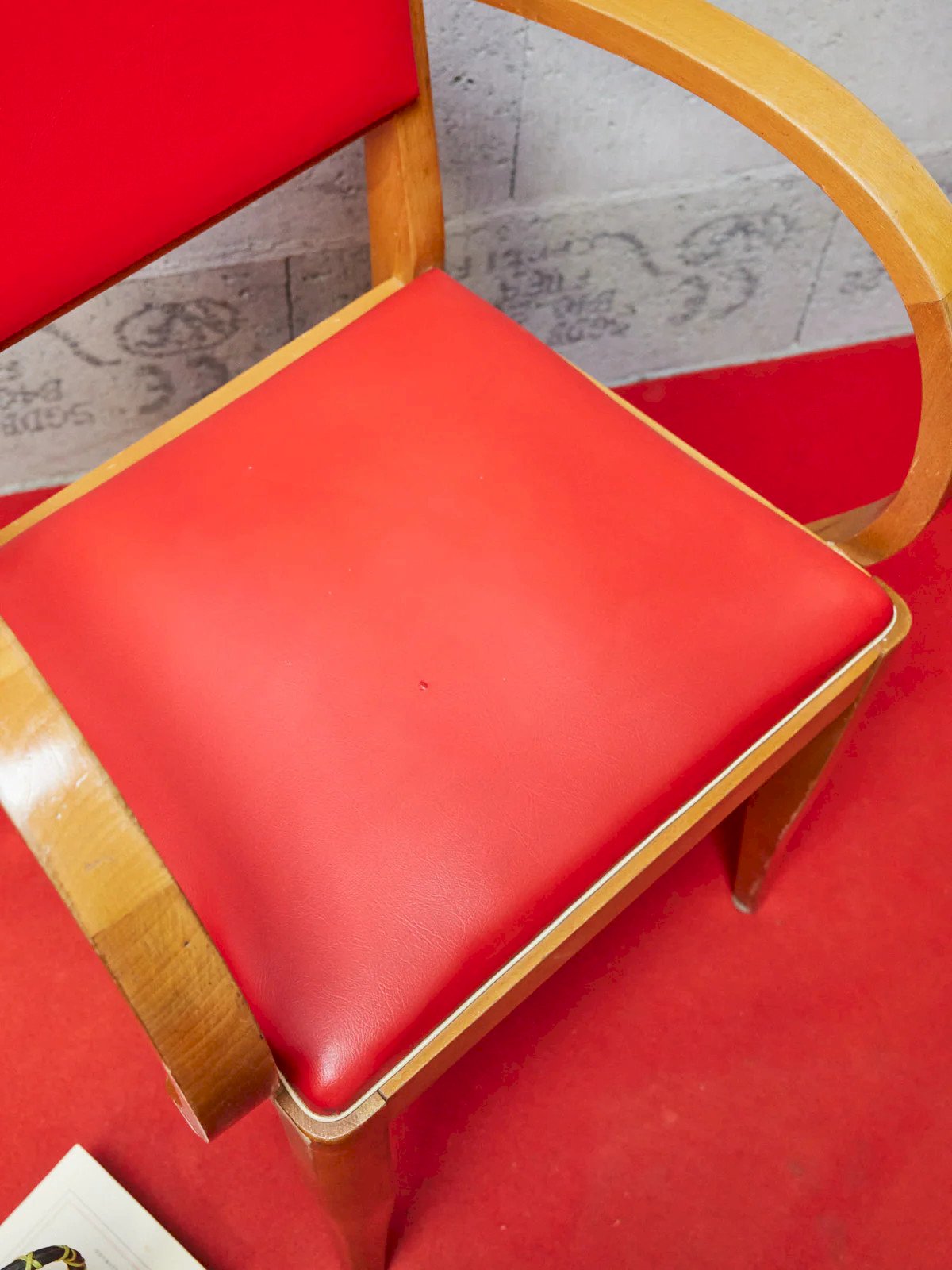
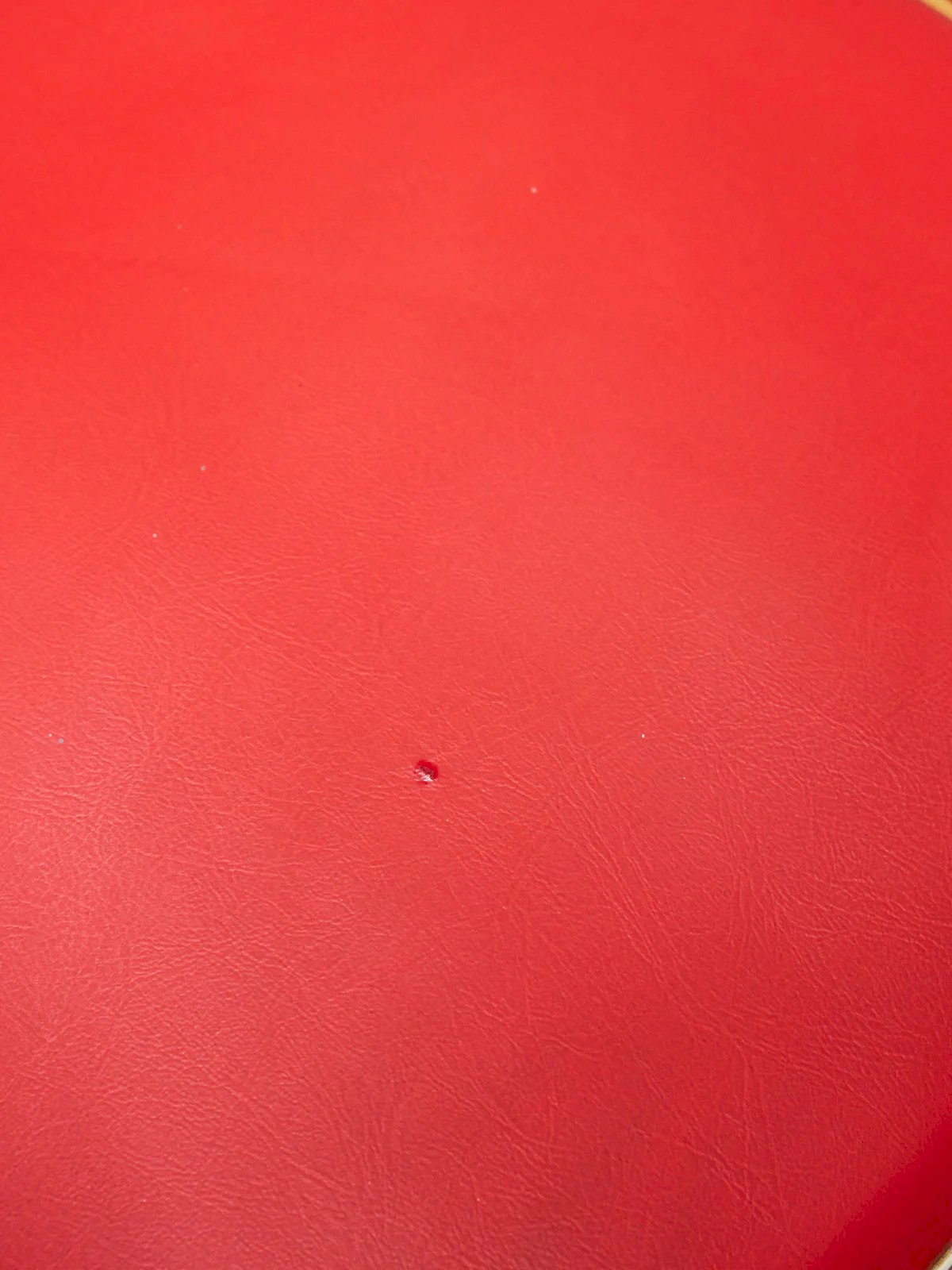
Embrace this vintage-style bridge chair, combining a light wood frame with a striking red skai upholstery. Its elegant design and soft curves add a touch of friendliness to your space, whether in a living room or dining room. Designed to blend comfort and style, it invites relaxation while adding a warm pop of color. Some signs of use that attest to its authenticity. Width: 51 cm Depth: 51 cm Height: 80 cm Seat height: 45 cm Seat width: 45 cm Seat depth: 40 cm A little history of the chair If the chair is made for work or dining, the armchair was born in the 17th century for one purpose only: rest. Its name derives from the Old French "faudesteuil," a folding seat for dignitaries, but it emancipated itself under Louis XV to become this comfort piece of furniture with armrests. Unlike the chair, it favors a wider seat and a reclined back, inviting conversation rather than a rigid posture. Whether it's a "bergère" with plush cheeks to shelter from drafts or a lighter "bridge" armchair, it embodies the evolution of the art of living.
Réf :
#412278
Brand / From : Debongout
Related Products



Comments
Ernest, the wooden bridge armchair N°1004
199€
75002 Paris
Ce site contient des liens d’affiliation pour lesquels je peux recevoir une compensation.
Description
Embrace this vintage-style bridge chair, combining a light wood frame with a striking red skai upholstery. Its elegant design and soft curves add a touch of friendliness to your space, whether in a living room or dining room. Designed to blend comfort and style, it invites relaxation while adding a warm pop of color. Some signs of use that attest to its authenticity. Width: 51 cm Depth: 51 cm Height: 80 cm Seat height: 45 cm Seat width: 45 cm Seat depth: 40 cm A little history of the chair If the chair is made for work or dining, the armchair was born in the 17th century for one purpose only: rest. Its name derives from the Old French "faudesteuil," a folding seat for dignitaries, but it emancipated itself under Louis XV to become this comfort piece of furniture with armrests. Unlike the chair, it favors a wider seat and a reclined back, inviting conversation rather than a rigid posture. Whether it's a "bergère" with plush cheeks to shelter from drafts or a lighter "bridge" armchair, it embodies the evolution of the art of living.
Réf :
#412278
Brand / From : Debongout