 English
 Français


Description
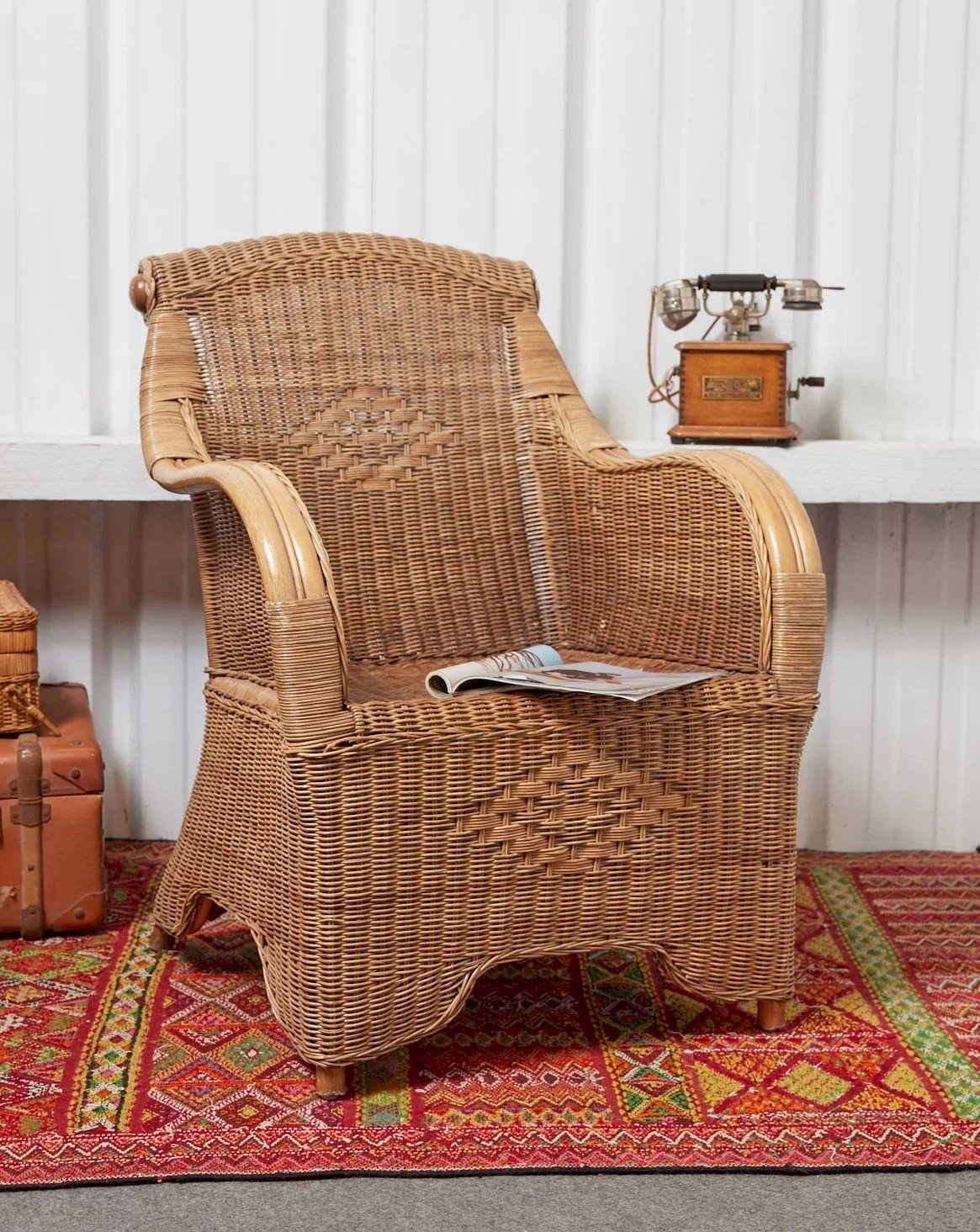
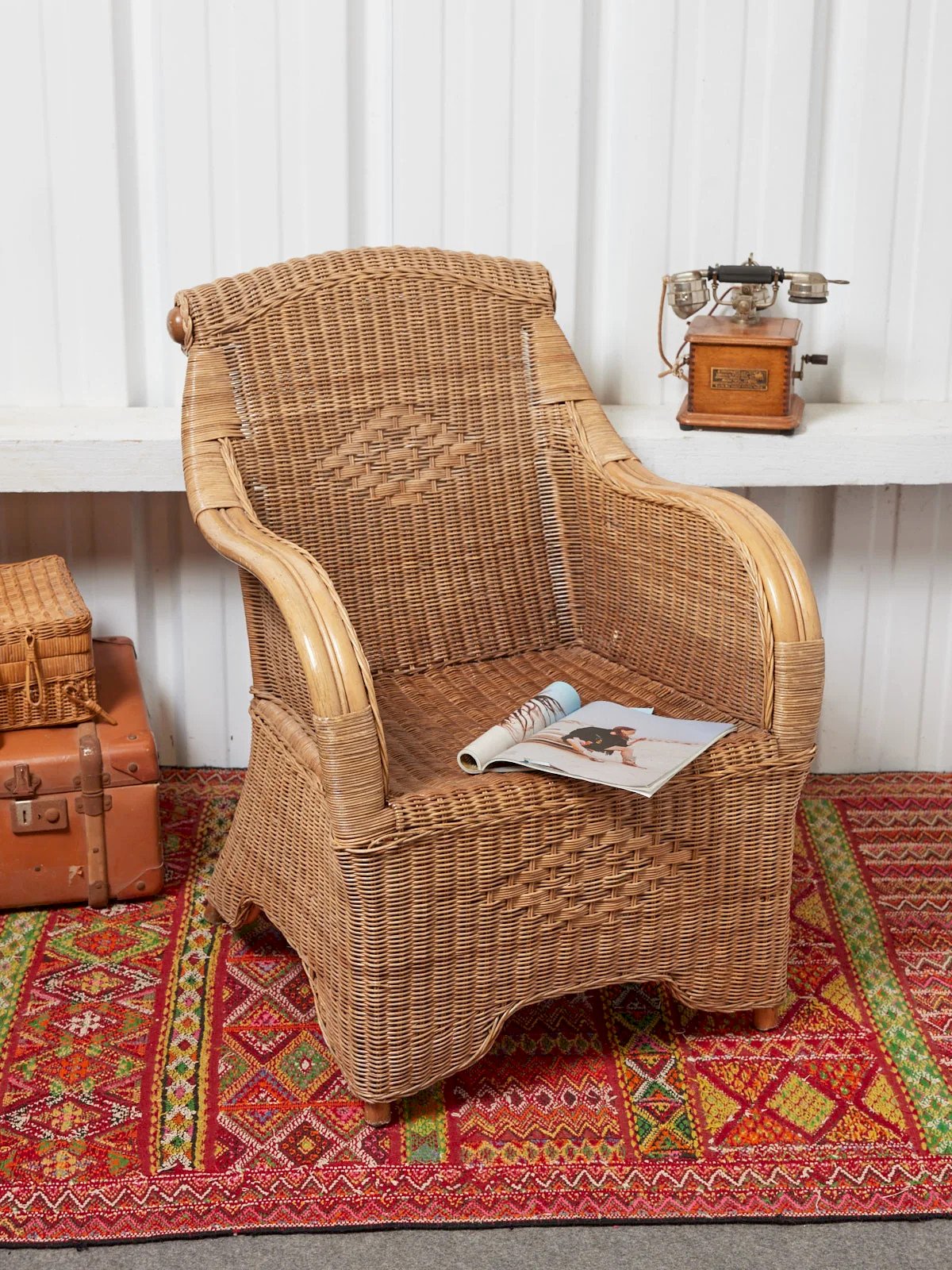
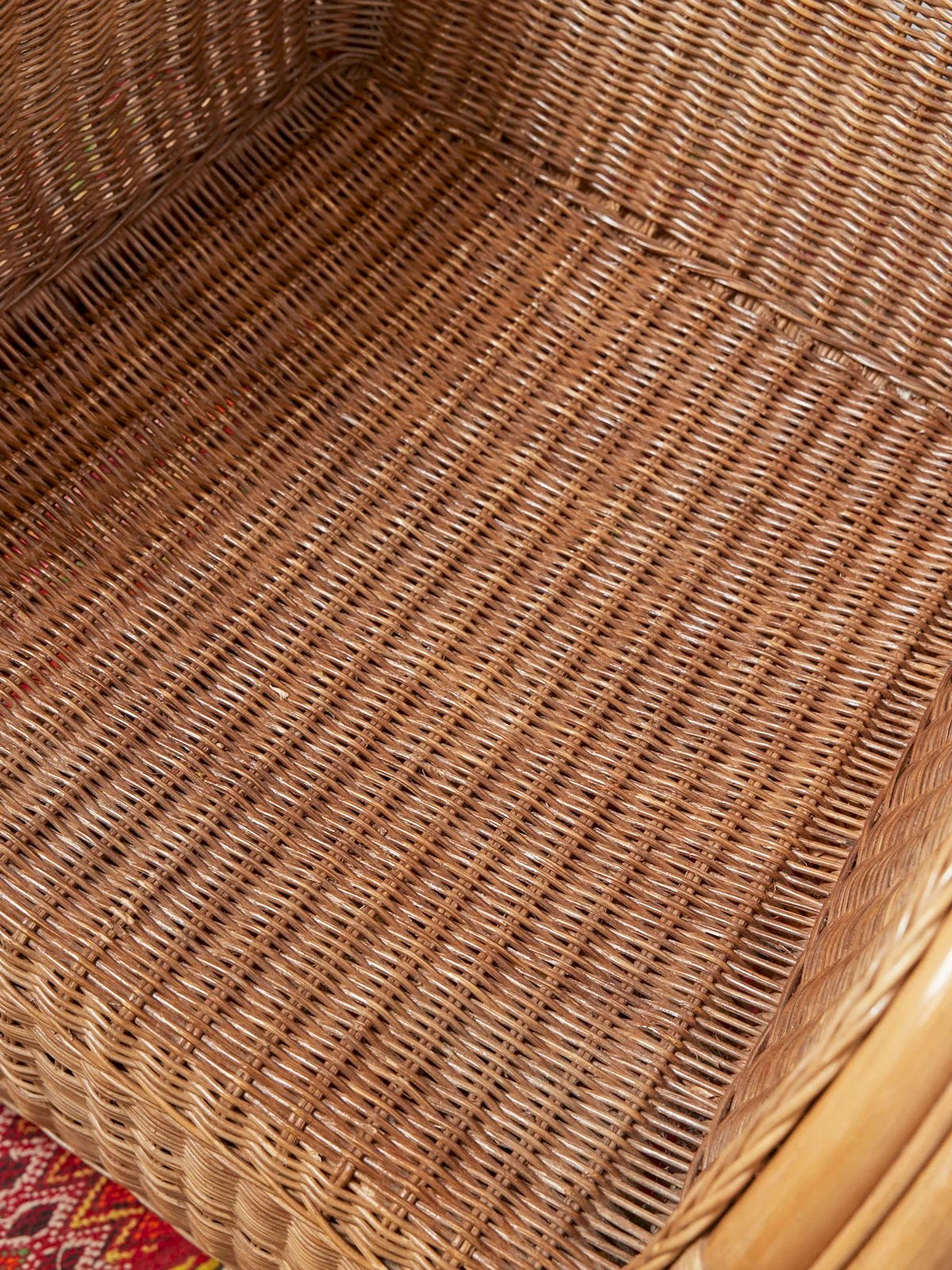
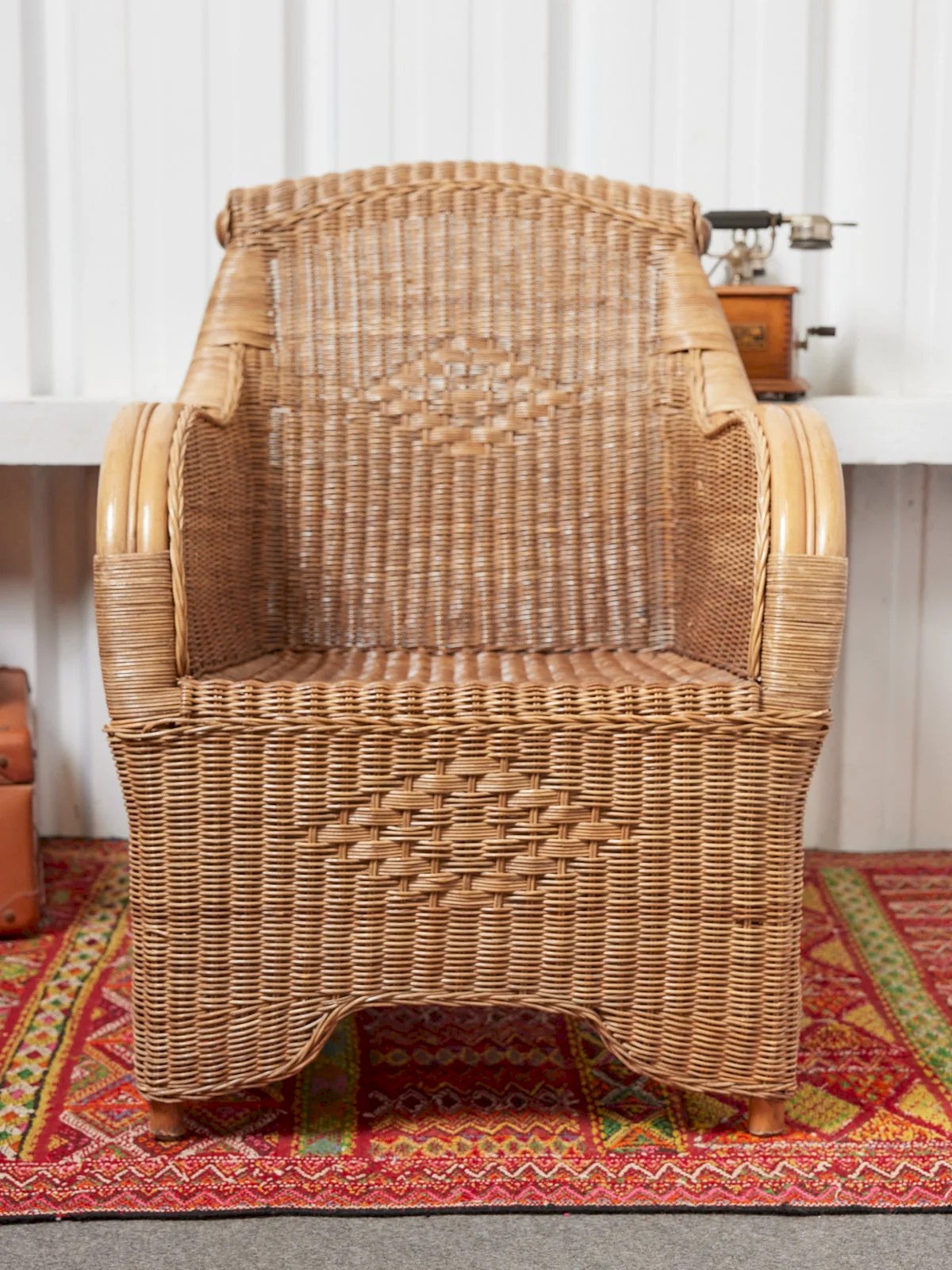
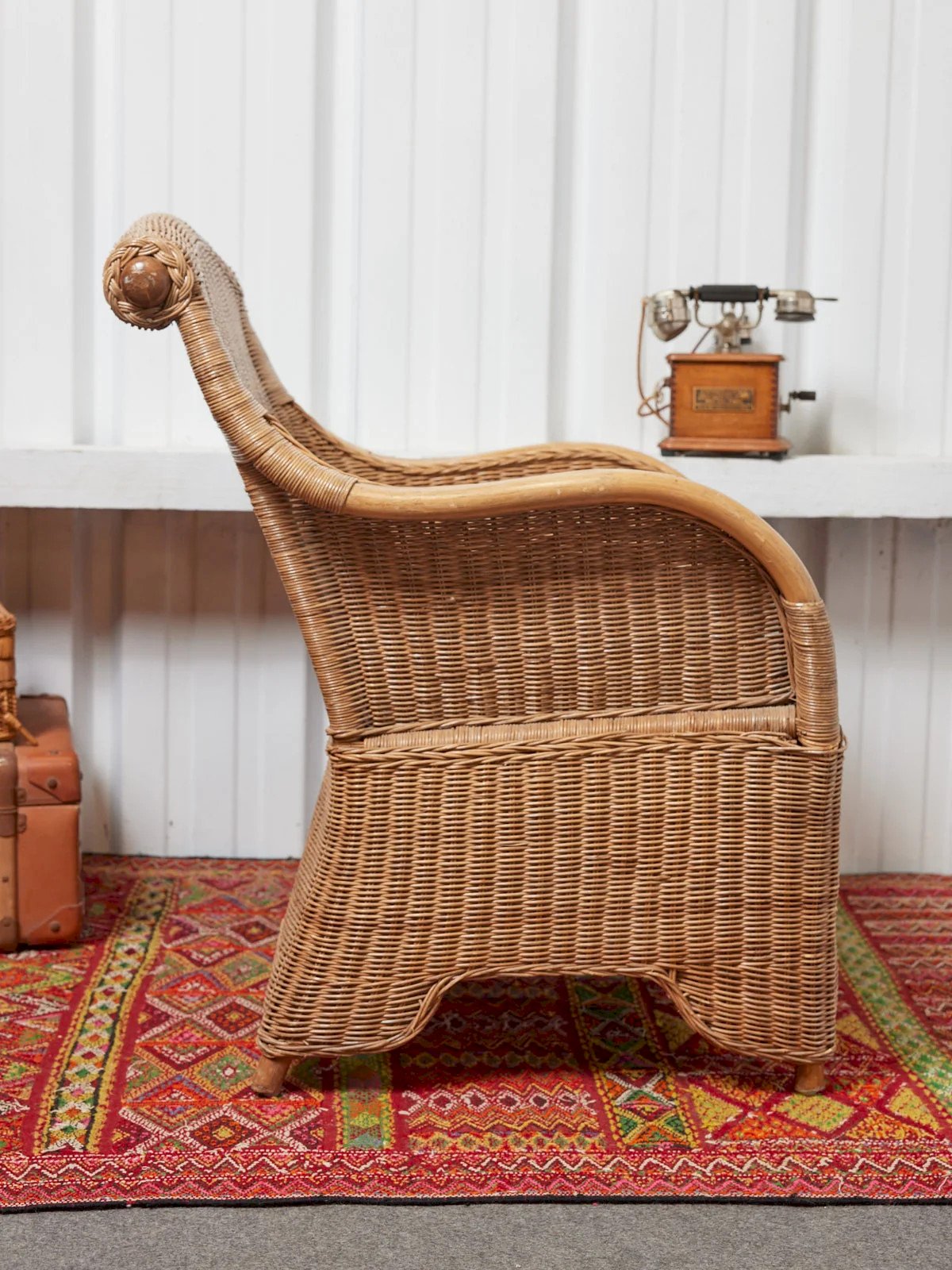
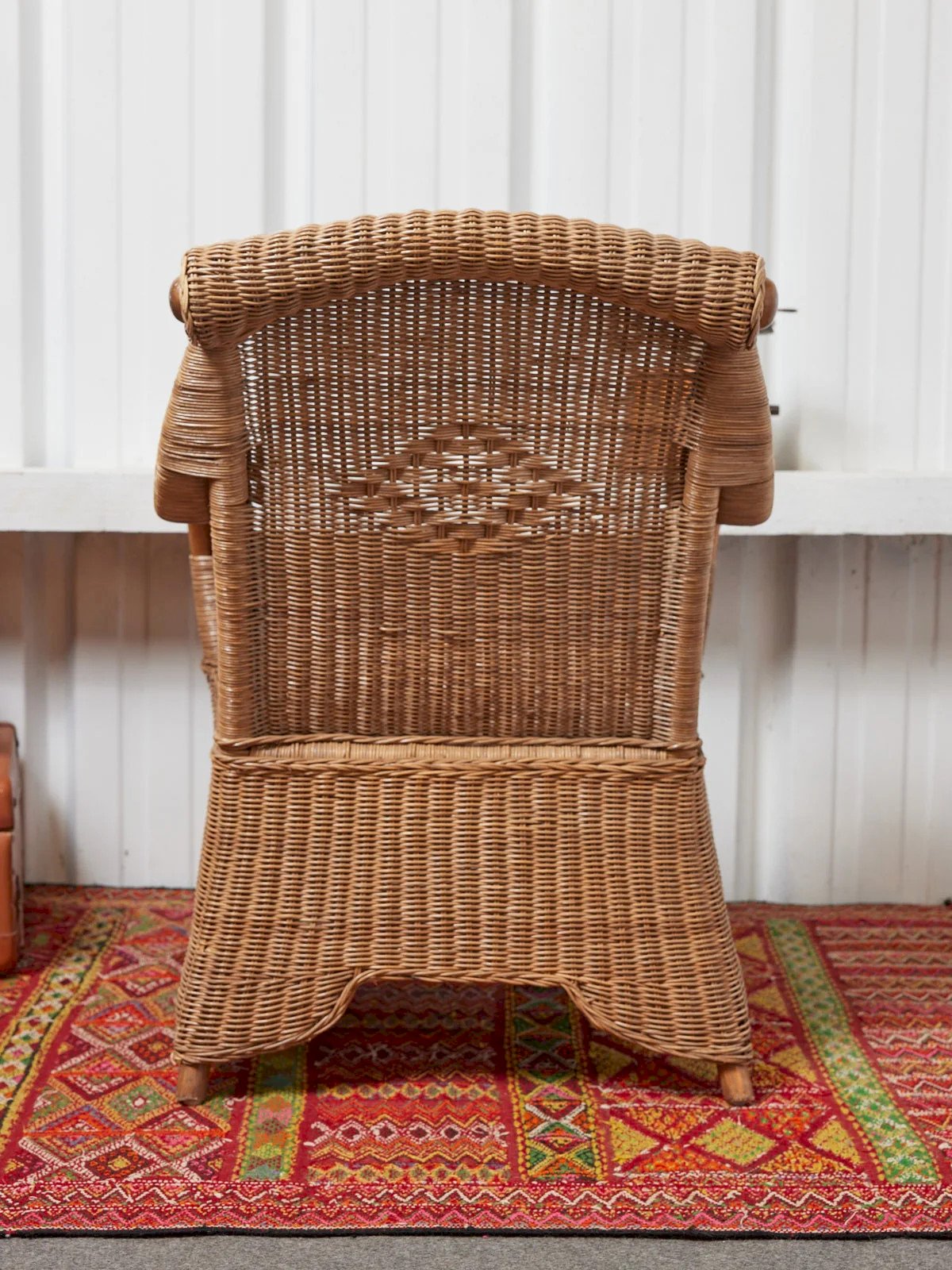
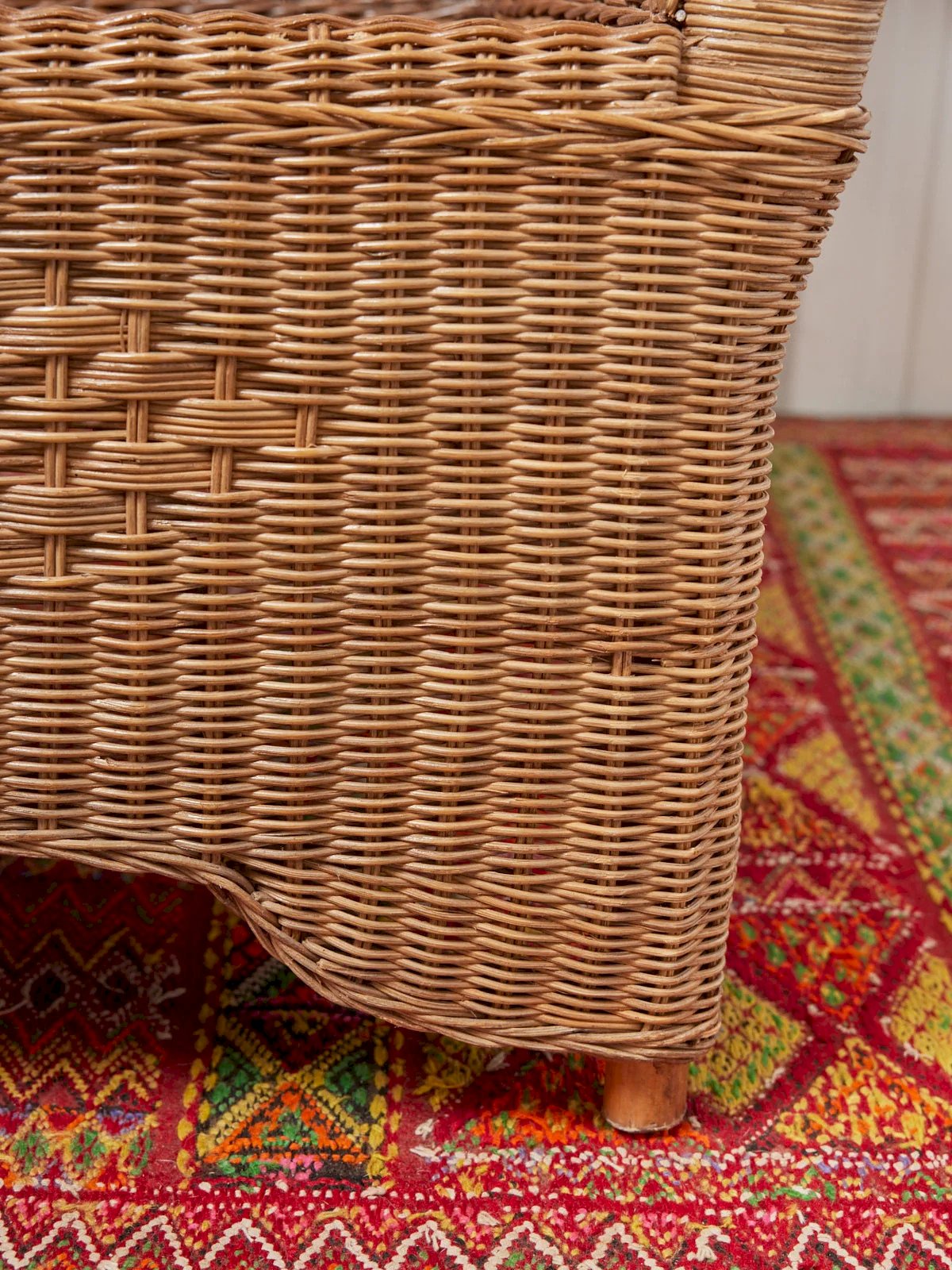
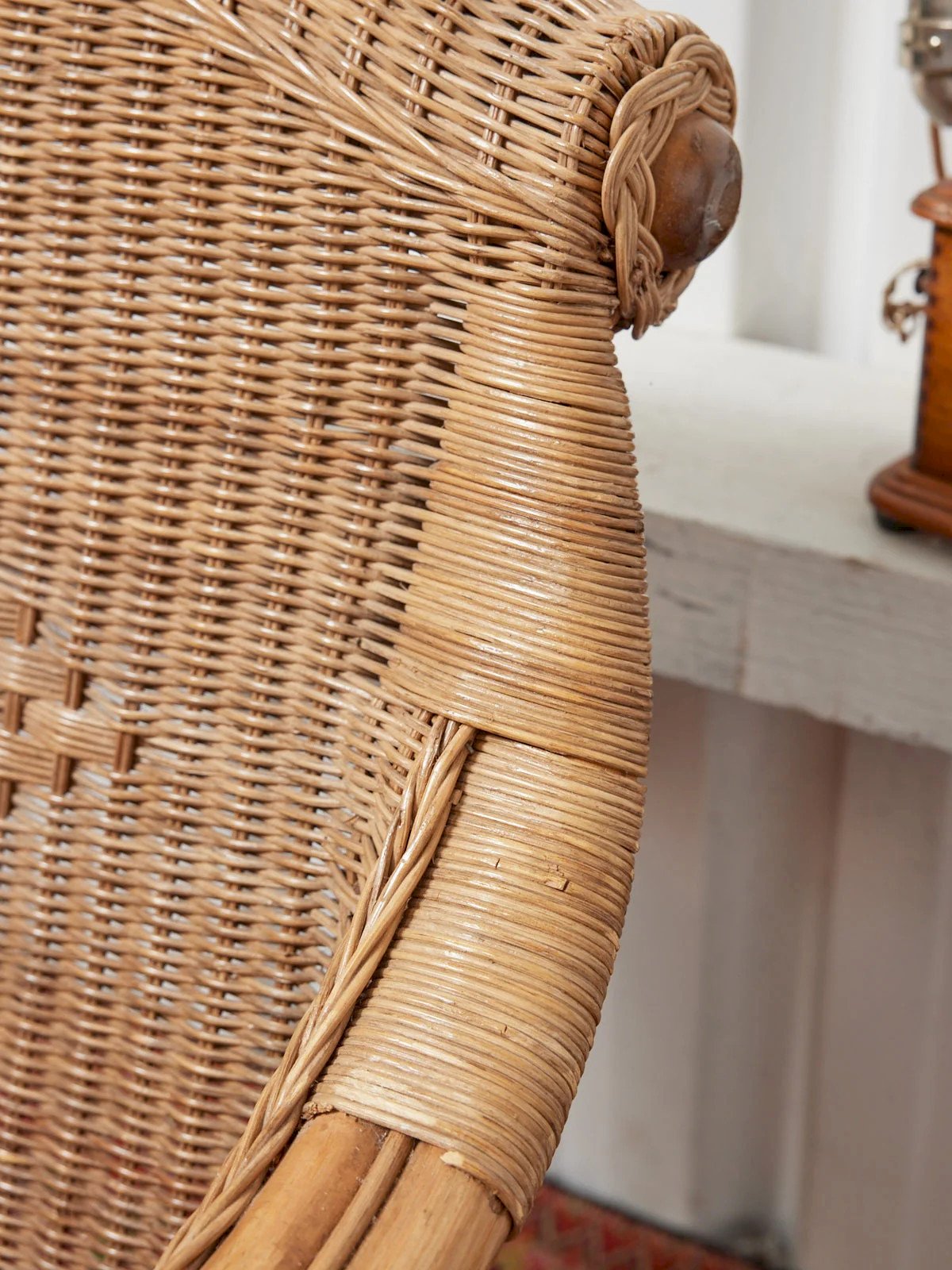
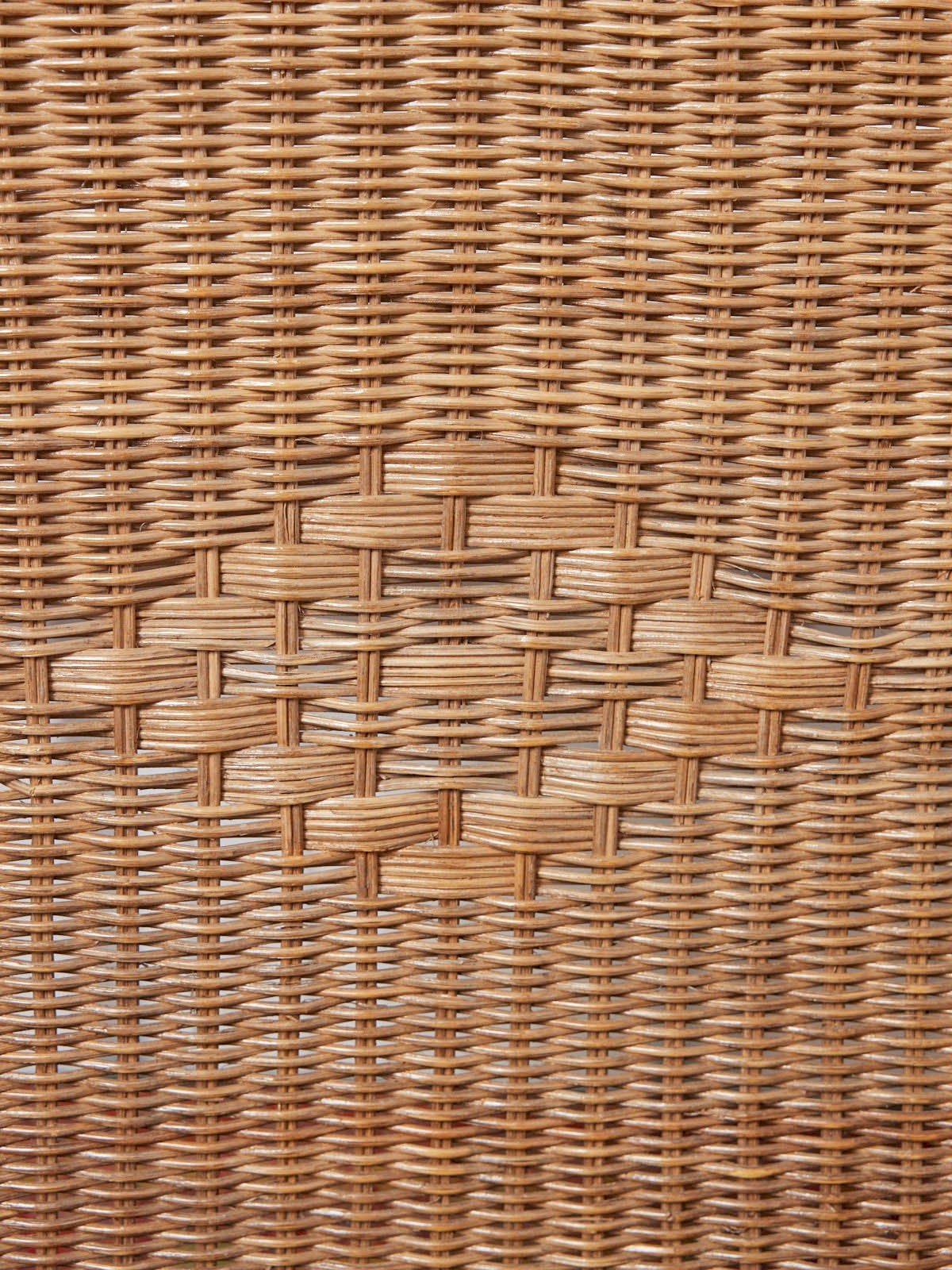
Give your interior a touch of nature with this large wicker armchair, which combines comfort and elegance. Its airy structure and organic design invite relaxation, making this stylish armchair the ideal companion for your reading or social moments. The warm texture of the wicker brings an authentic and cozy atmosphere to your space, whether indoors or on the terrace. Some signs of use add to its authenticity. Width: 65 cm Depth: 75 cm Height: 85 cm Seat height: 40 cm Seat width: 46 cm Seat depth: 46 cm A little history of the armchair If the chair is designed for work or meals, the armchair was born in the 17th century for one purpose: rest. Its name derives from the old French "faudesteuil," a folding seat for dignitaries, but it emancipated under Louis XV to become this comfort piece of furniture with armrests. Unlike the chair, it favors a wider seat and a reclined backrest, inviting conversation rather than a rigid posture. Whether it’s a "bergère" with full cheeks to shelter from drafts or a lighter "bridge" armchair, it embodies the evolution of the art of living.
Réf :
#412769
Brand / From : Debongout
Related Products


Comments
Ernest, the large wicker armchair N°1090
289€
75002 Paris
Ce site contient des liens d’affiliation pour lesquels je peux recevoir une compensation.
Description
Give your interior a touch of nature with this large wicker armchair, which combines comfort and elegance. Its airy structure and organic design invite relaxation, making this stylish armchair the ideal companion for your reading or social moments. The warm texture of the wicker brings an authentic and cozy atmosphere to your space, whether indoors or on the terrace. Some signs of use add to its authenticity. Width: 65 cm Depth: 75 cm Height: 85 cm Seat height: 40 cm Seat width: 46 cm Seat depth: 46 cm A little history of the armchair If the chair is designed for work or meals, the armchair was born in the 17th century for one purpose: rest. Its name derives from the old French "faudesteuil," a folding seat for dignitaries, but it emancipated under Louis XV to become this comfort piece of furniture with armrests. Unlike the chair, it favors a wider seat and a reclined backrest, inviting conversation rather than a rigid posture. Whether it’s a "bergère" with full cheeks to shelter from drafts or a lighter "bridge" armchair, it embodies the evolution of the art of living.
Réf :
#412769
Brand / From : Debongout