 English
 Français


Description
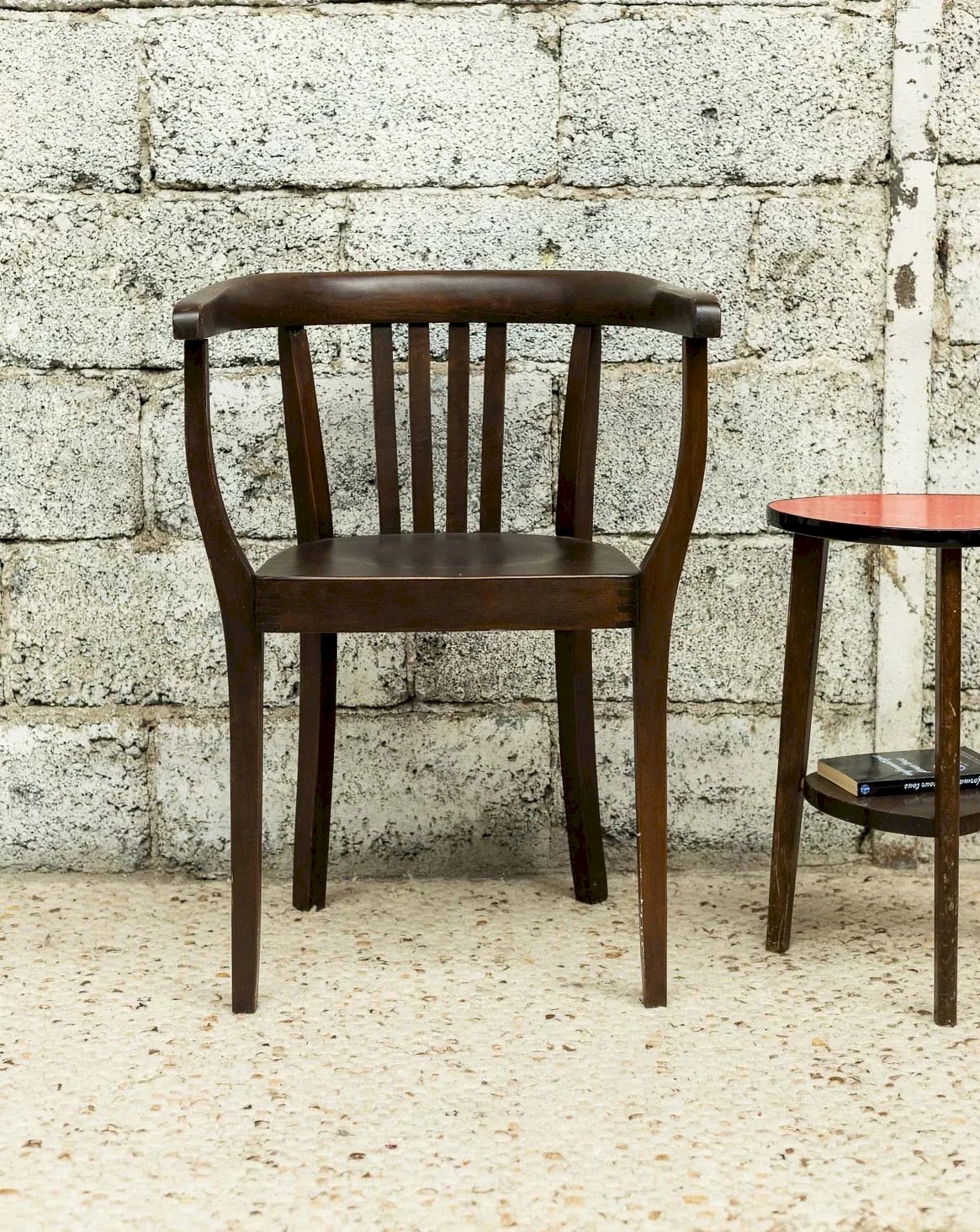
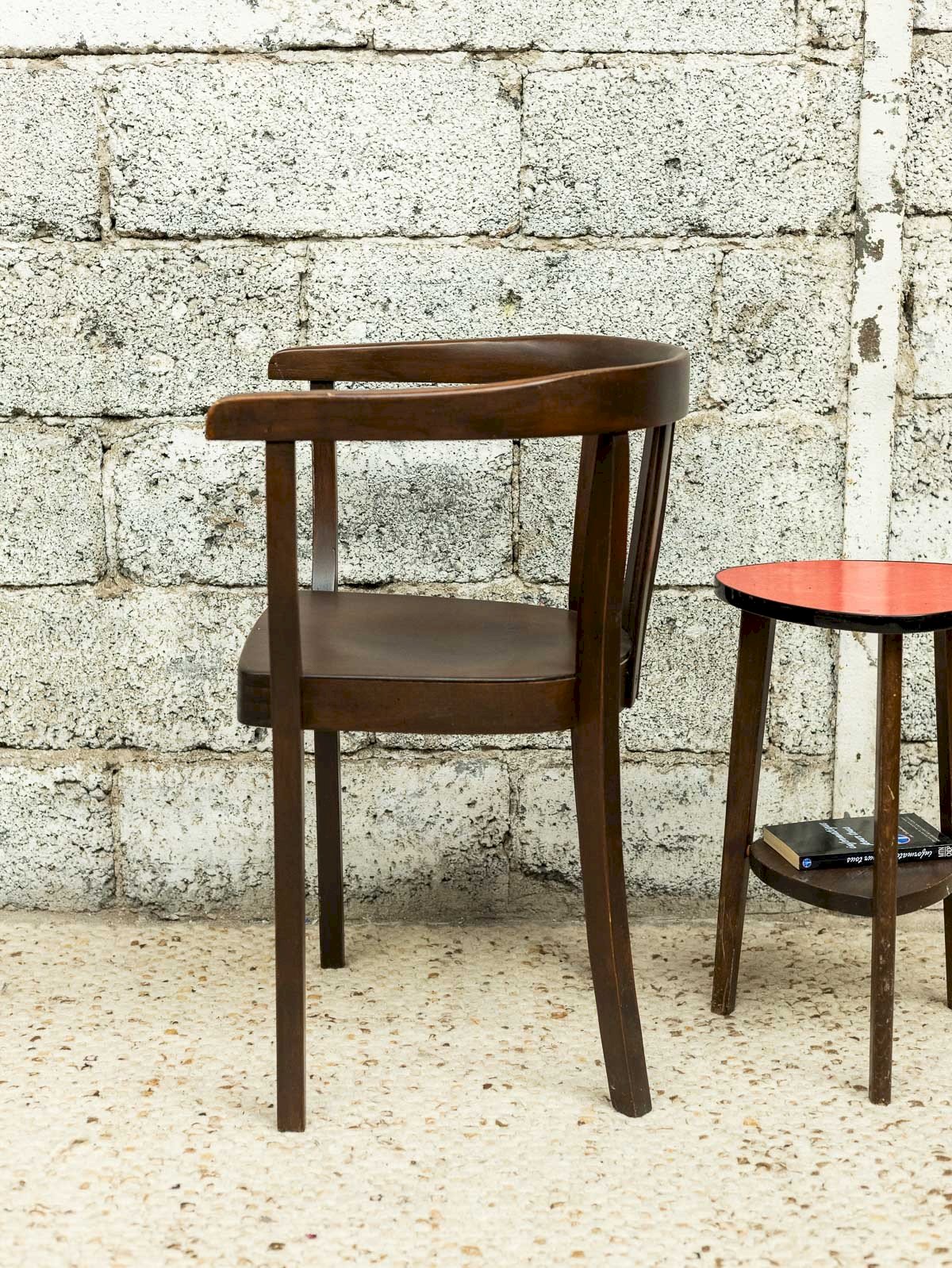
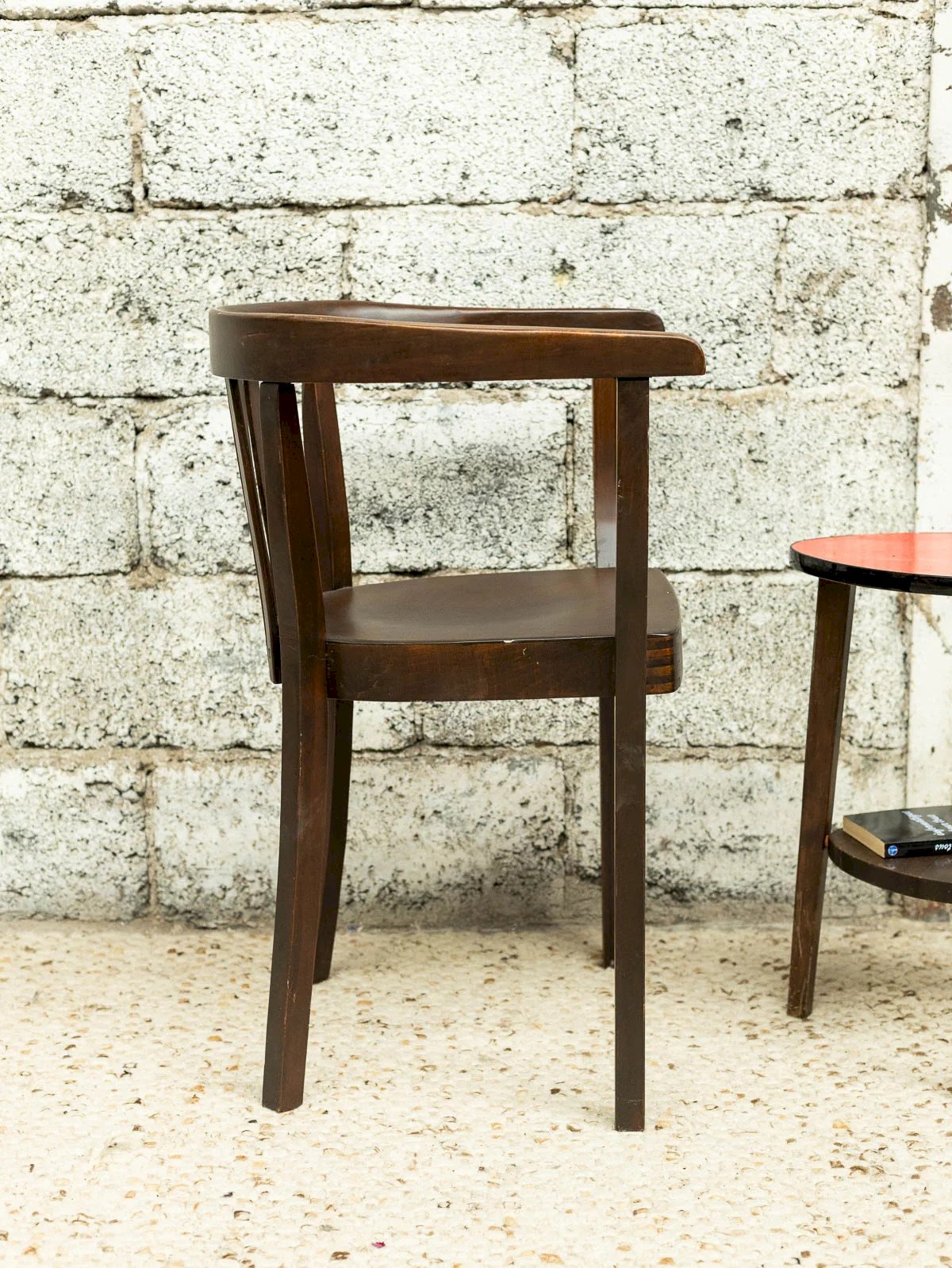
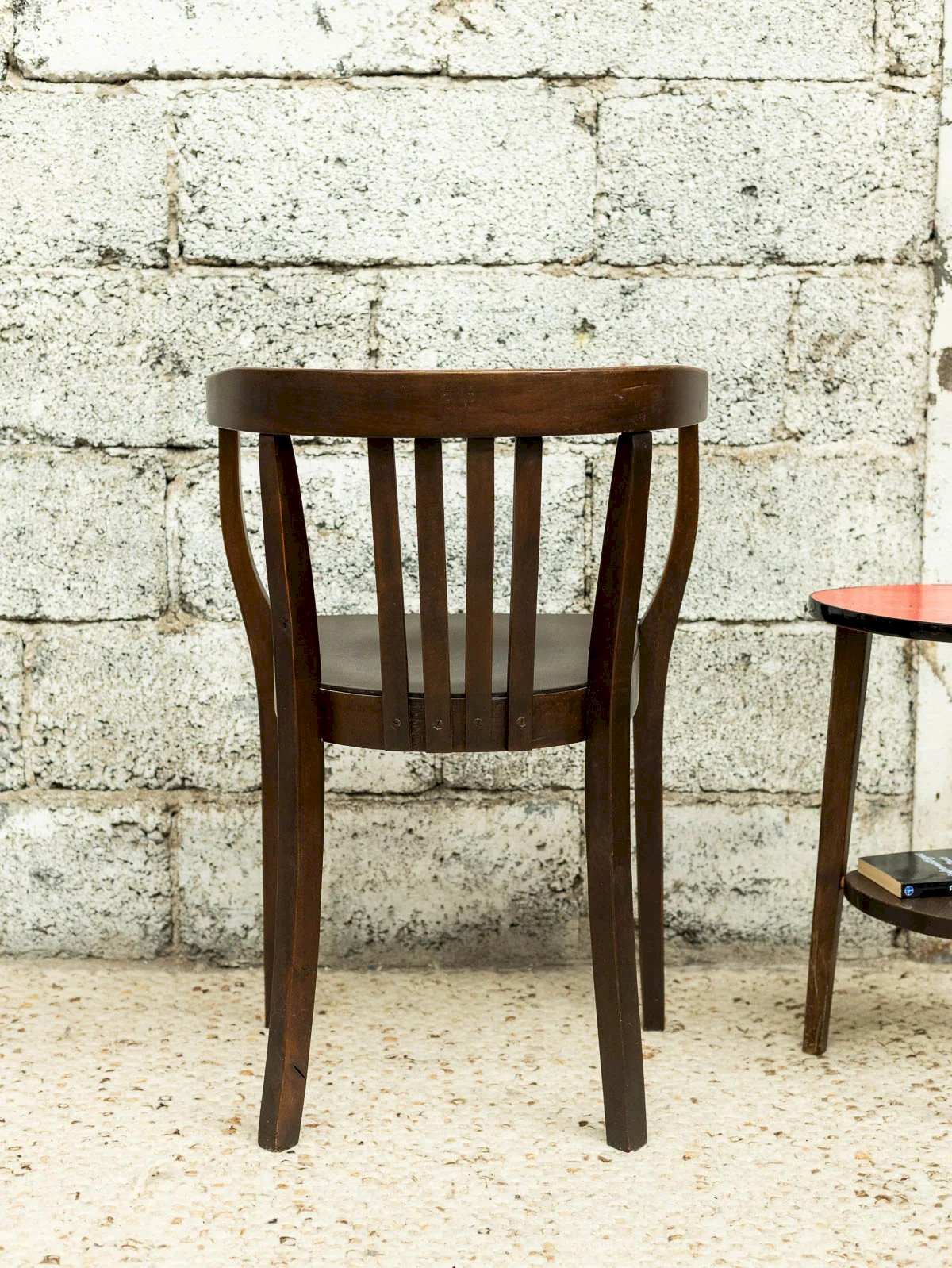
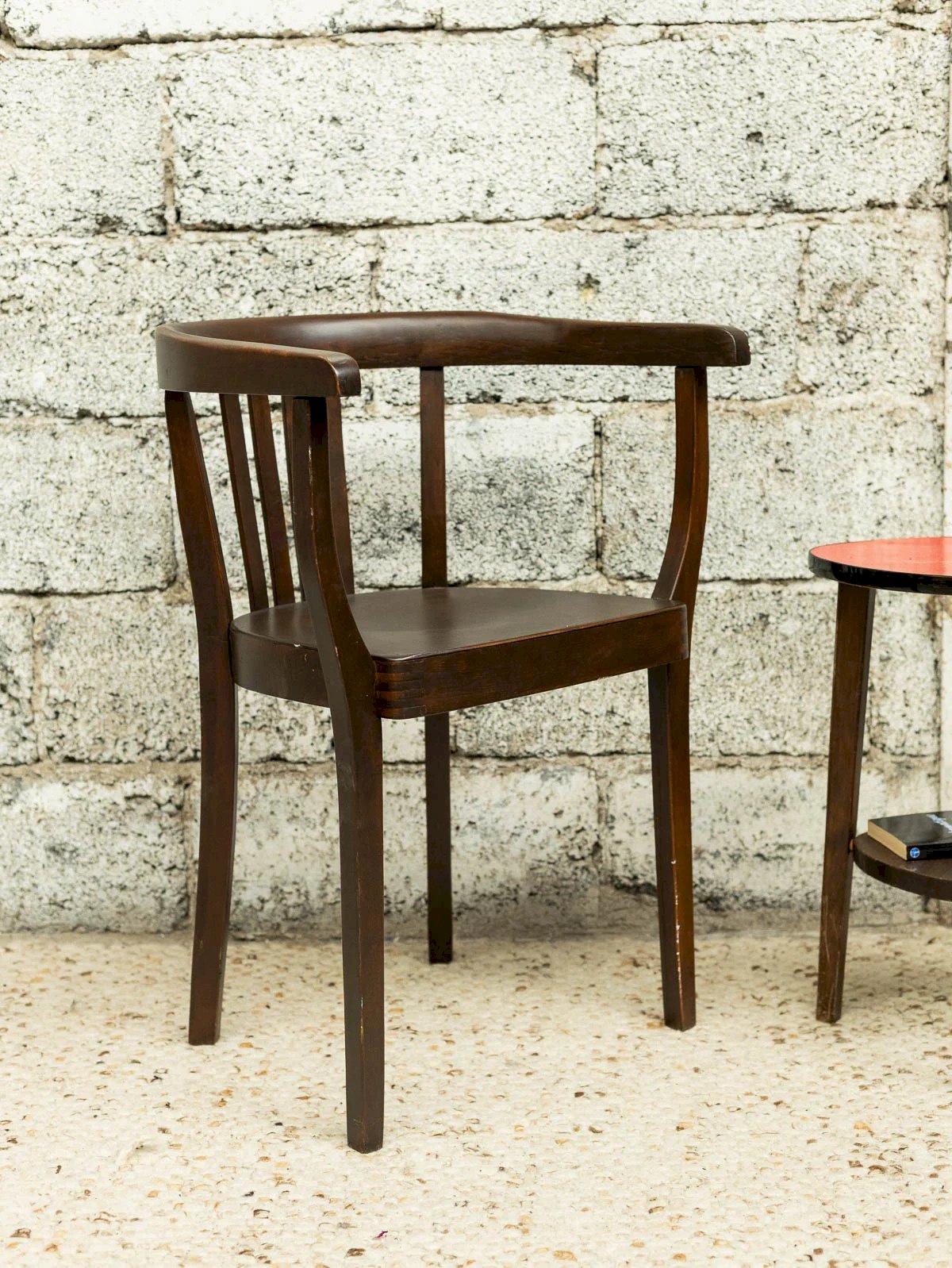
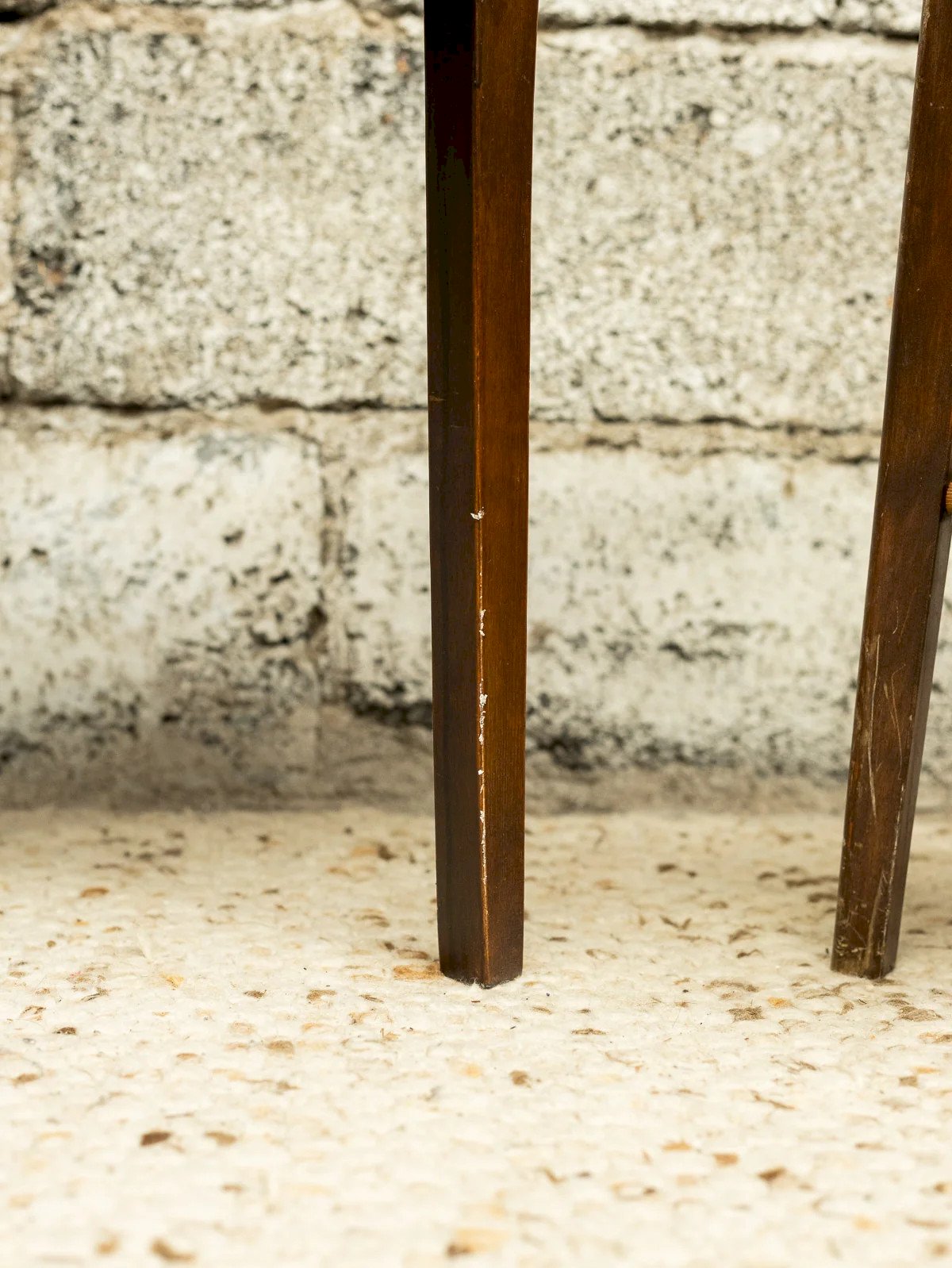
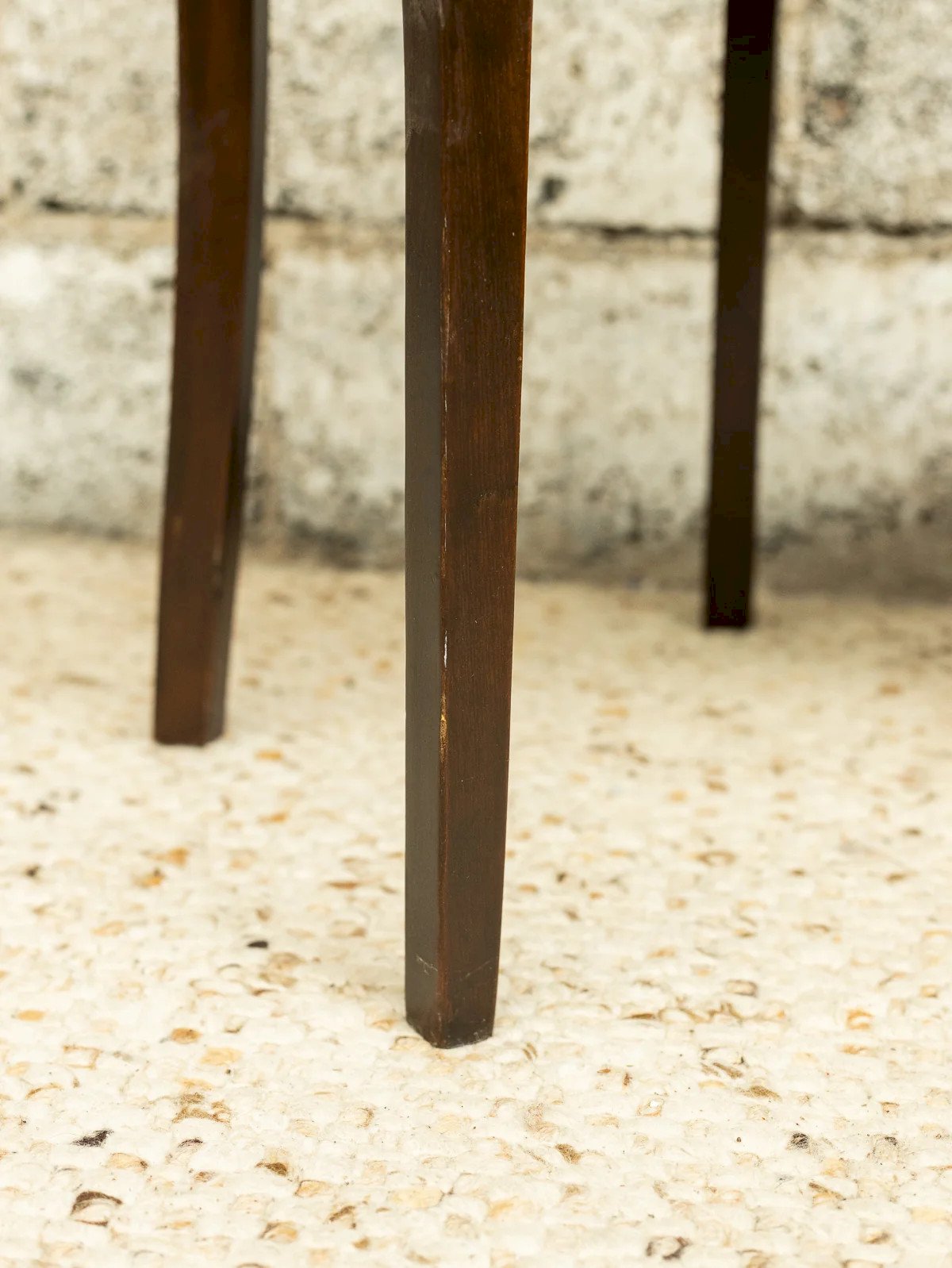
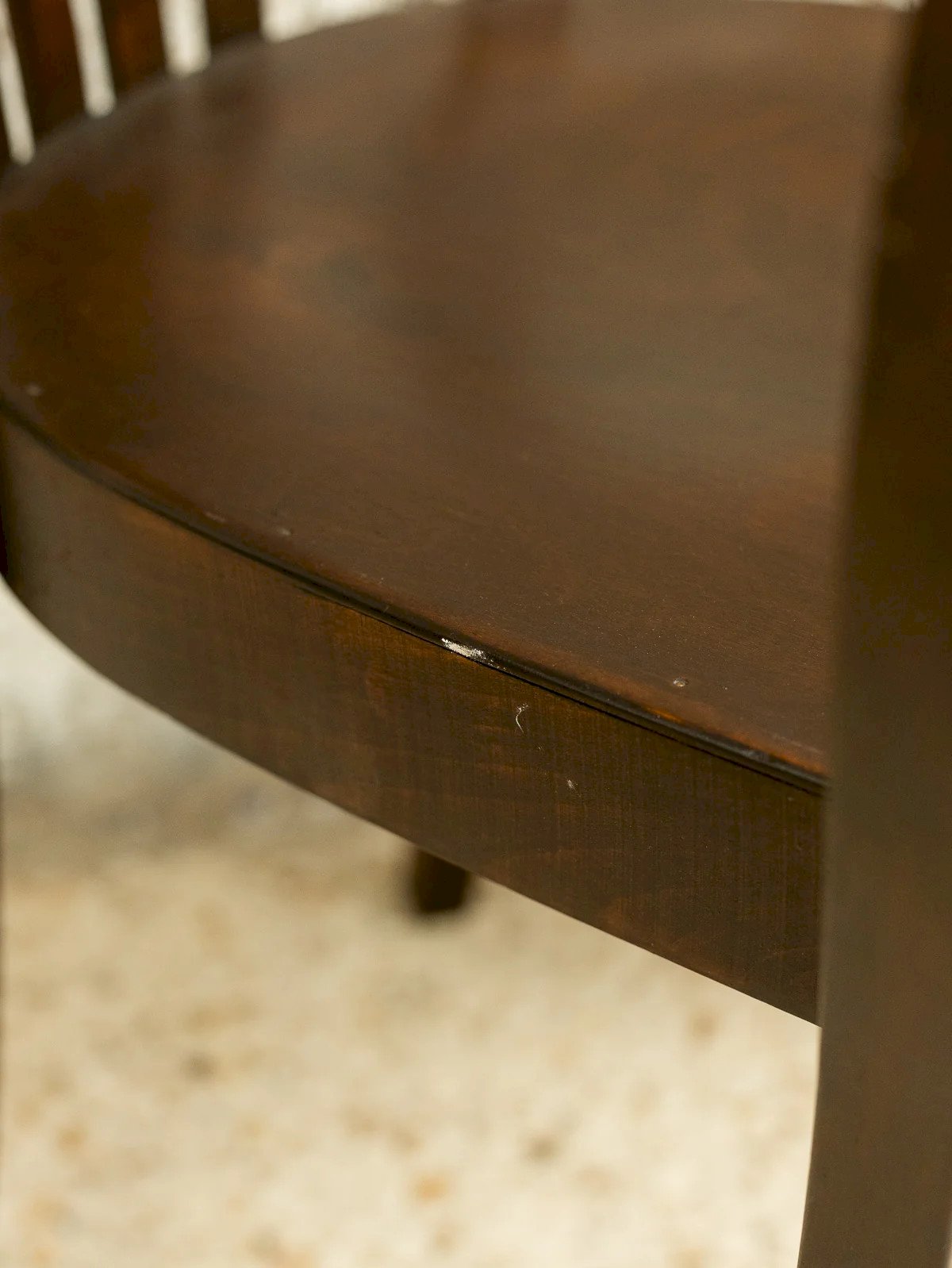
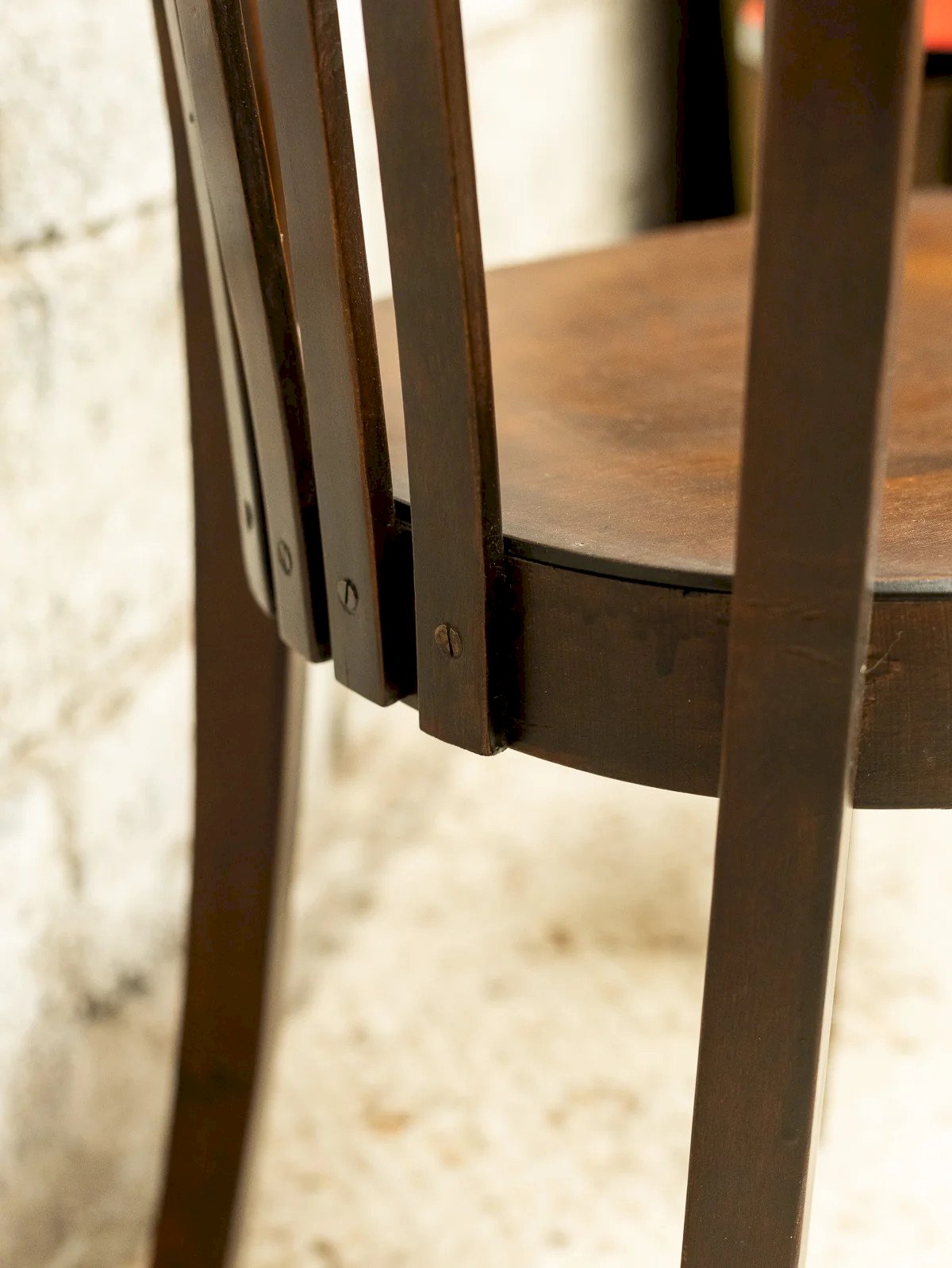
Invite the softness of country style into your home with this charming wooden chair featuring rounded armrests. Its elegant yet functional design harmoniously fits with any type of decor, adding a touch of warmth to your dining area or reading nook. The careful finish of the wood reveals natural hues that enrich its character, while the ergonomic shape ensures pleasant comfort for your moments of relaxation. Some signs of use add to its authenticity. Width: 53 cm Depth: 45 cm Height: 77 cm Seat height: 46 cm Seat width: 38 cm Seat depth: 40 cm A brief history of the armchair: While the chair is made for work or meals, the armchair was born in the 17th century for a single mission: rest. Its name derives from the old French "faudesteuil," a folding seat for dignitaries, but it emancipated under Louis XV to become this comfortable piece of furniture equipped with armrests. Unlike the chair, it favors a wider seat and an inclined backrest, inviting conversation rather than rigid posture. Whether it's a plush "bergère" to shield from drafts or a lighter "bridge" armchair, it embodies the evolution of the art of living.
Réf :
#413156
Brand / From : Debongout
Related Products


Comments
Ernest, the elegant wooden armchair No. 1527
259€
75002 Paris
Ce site contient des liens d’affiliation pour lesquels je peux recevoir une compensation.
Description
Invite the softness of country style into your home with this charming wooden chair featuring rounded armrests. Its elegant yet functional design harmoniously fits with any type of decor, adding a touch of warmth to your dining area or reading nook. The careful finish of the wood reveals natural hues that enrich its character, while the ergonomic shape ensures pleasant comfort for your moments of relaxation. Some signs of use add to its authenticity. Width: 53 cm Depth: 45 cm Height: 77 cm Seat height: 46 cm Seat width: 38 cm Seat depth: 40 cm A brief history of the armchair: While the chair is made for work or meals, the armchair was born in the 17th century for a single mission: rest. Its name derives from the old French "faudesteuil," a folding seat for dignitaries, but it emancipated under Louis XV to become this comfortable piece of furniture equipped with armrests. Unlike the chair, it favors a wider seat and an inclined backrest, inviting conversation rather than rigid posture. Whether it's a plush "bergère" to shield from drafts or a lighter "bridge" armchair, it embodies the evolution of the art of living.
Réf :
#413156
Brand / From : Debongout