 English
 Français


Description
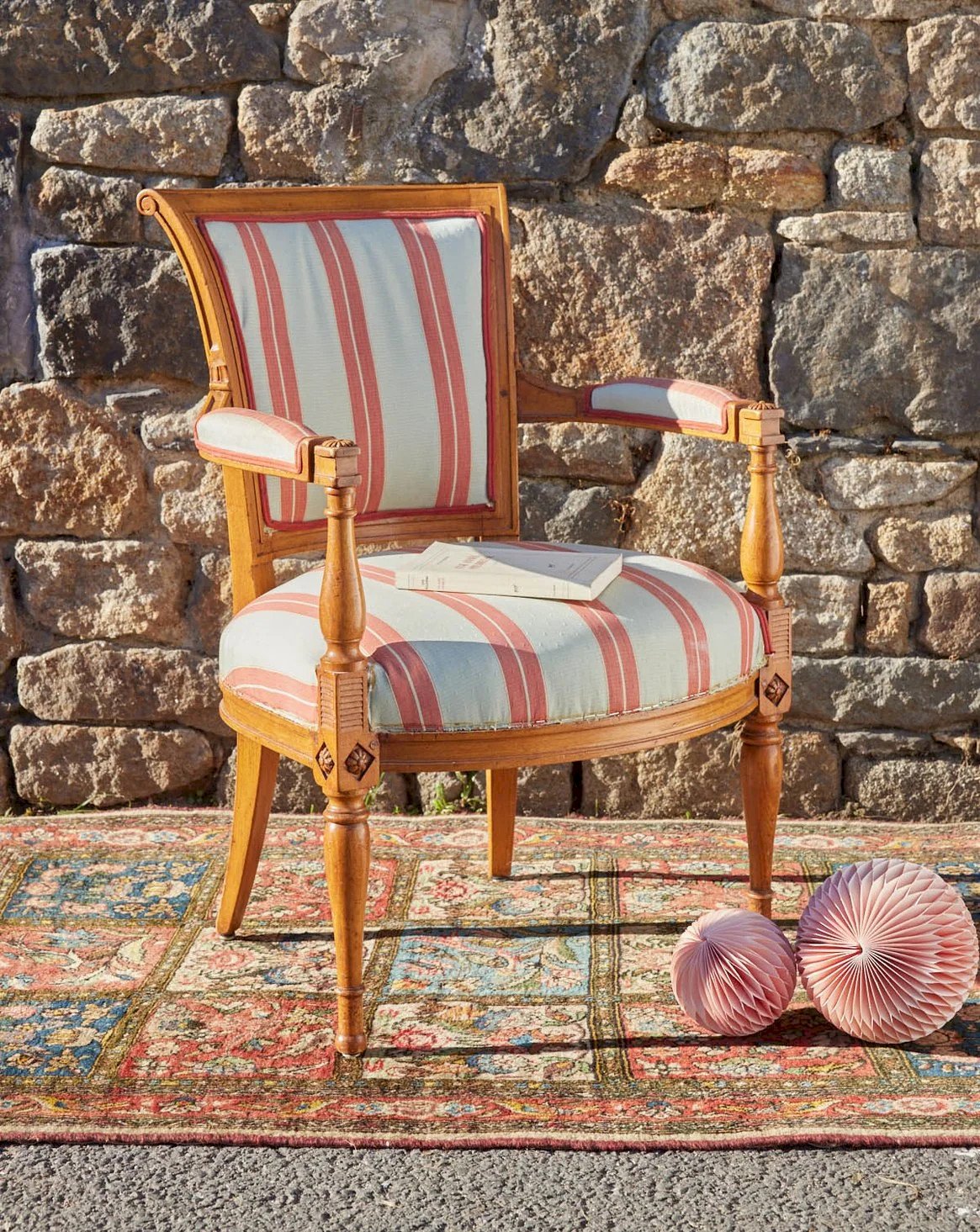
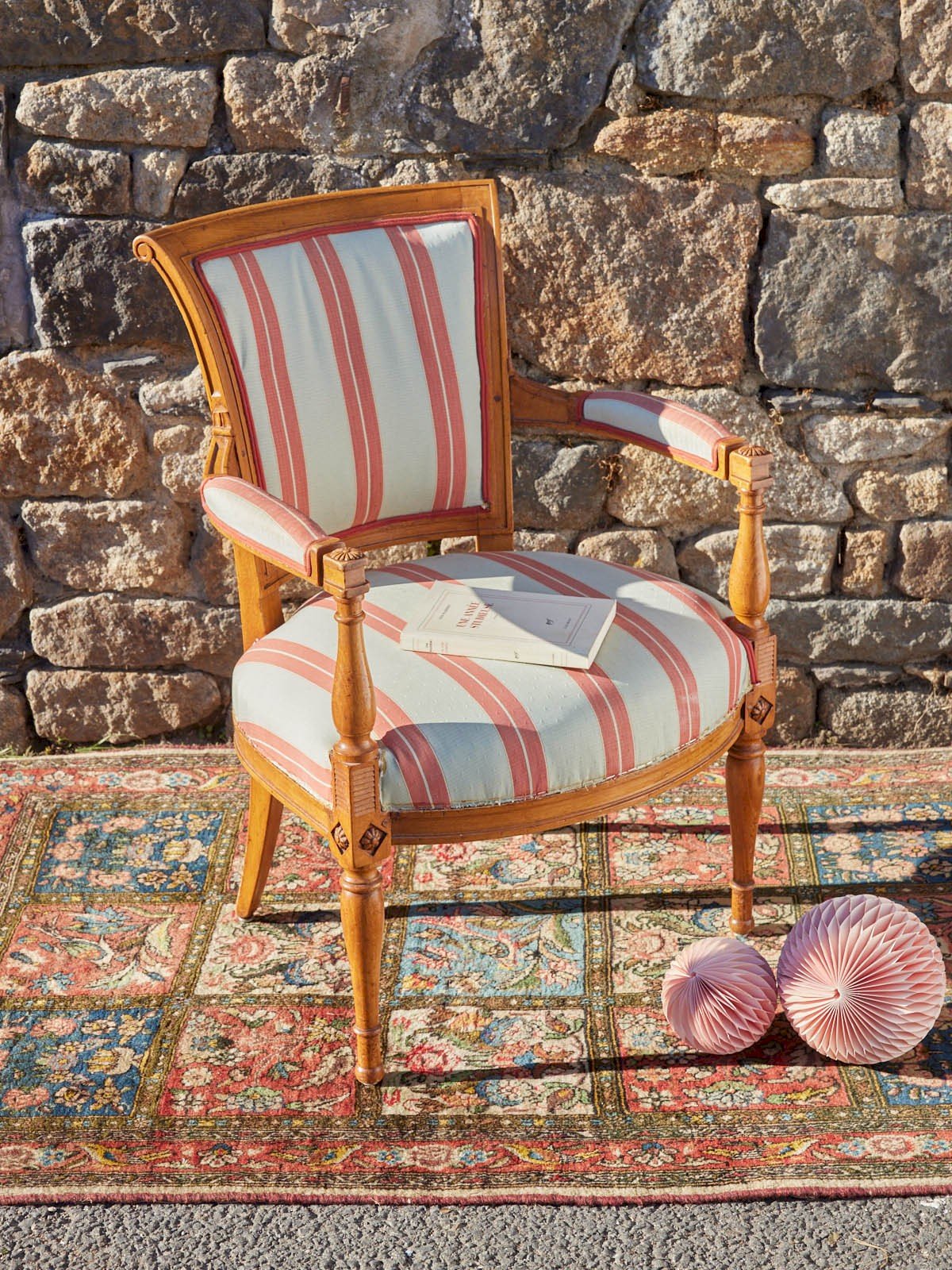
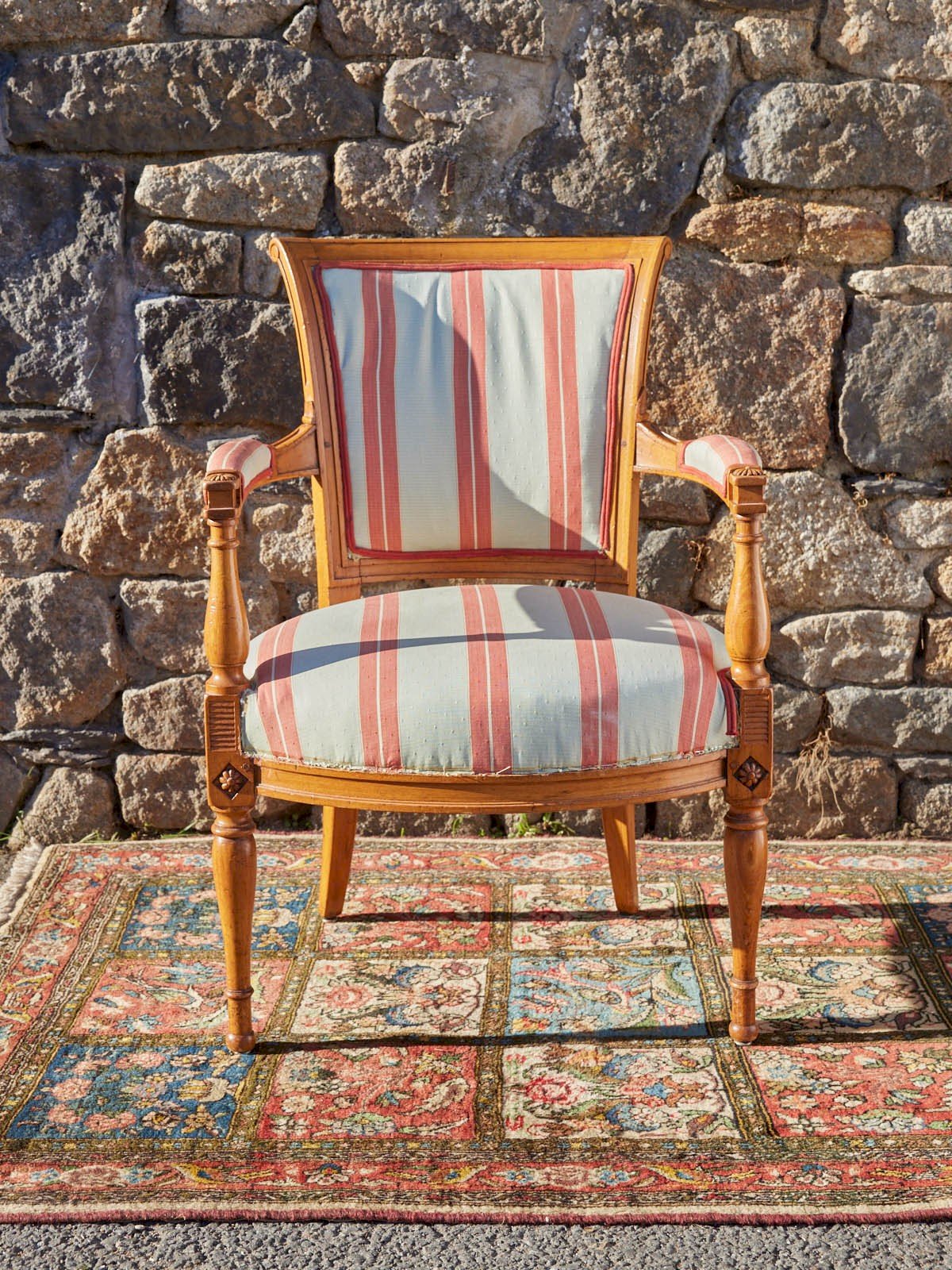
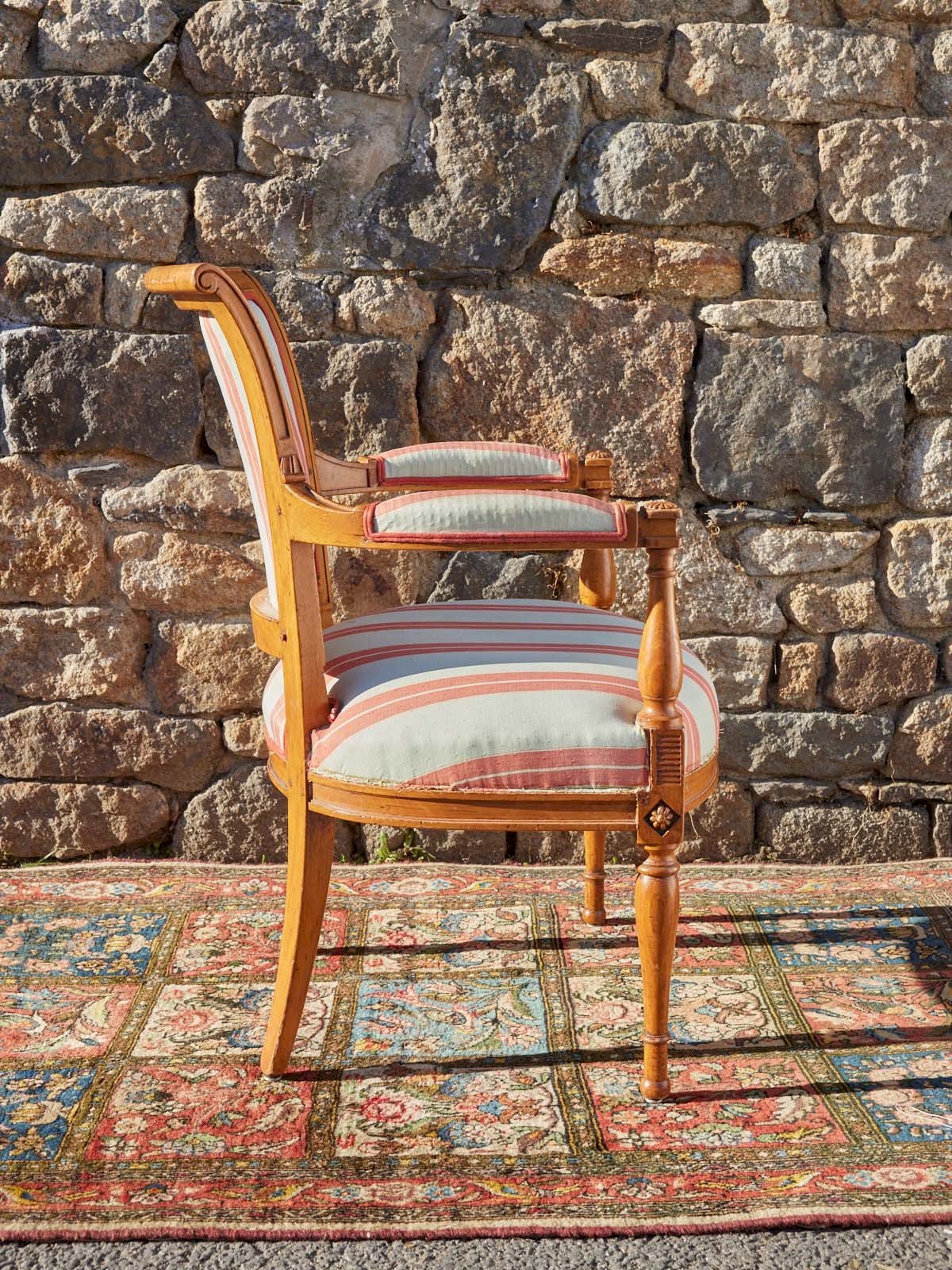
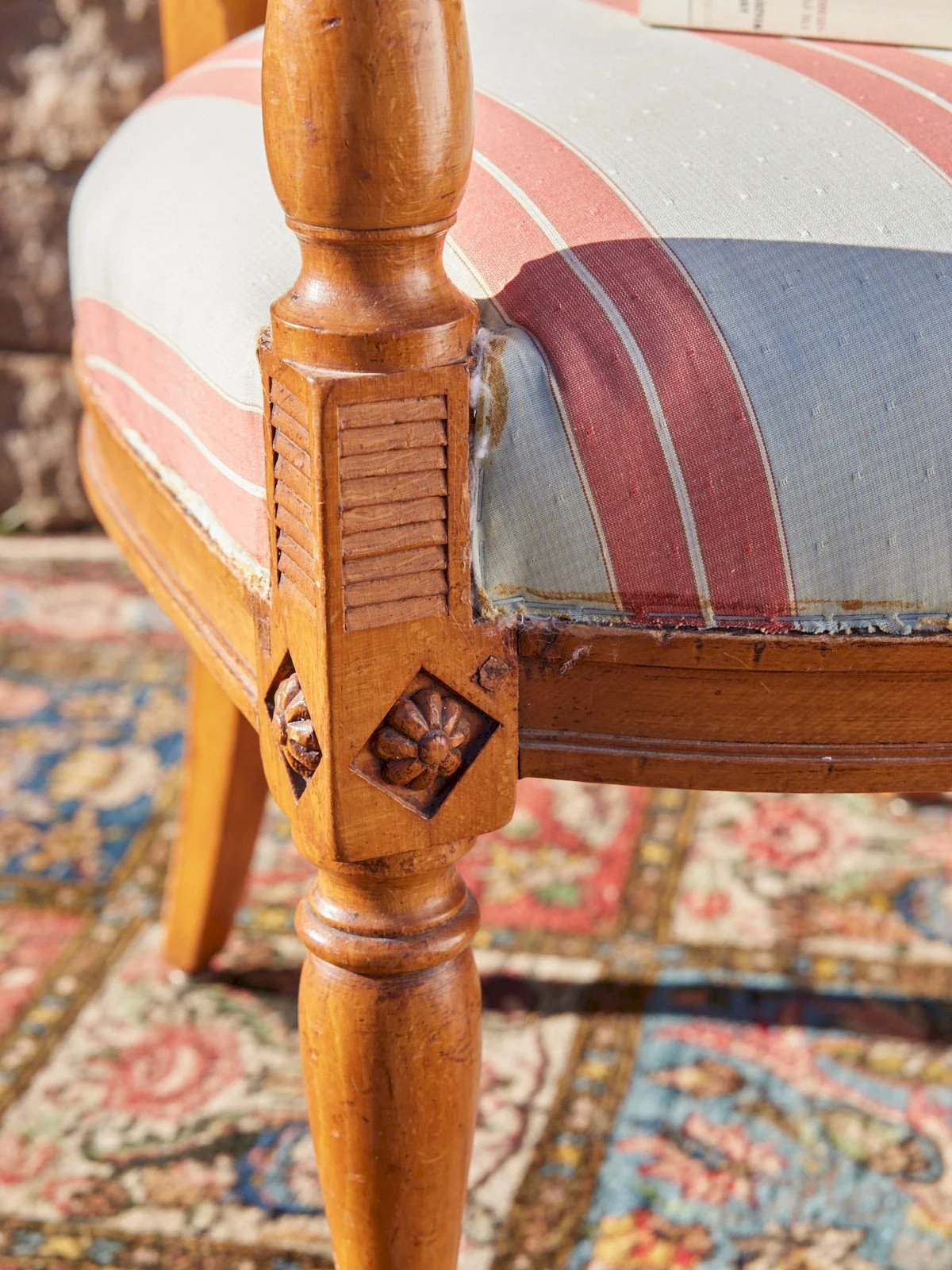
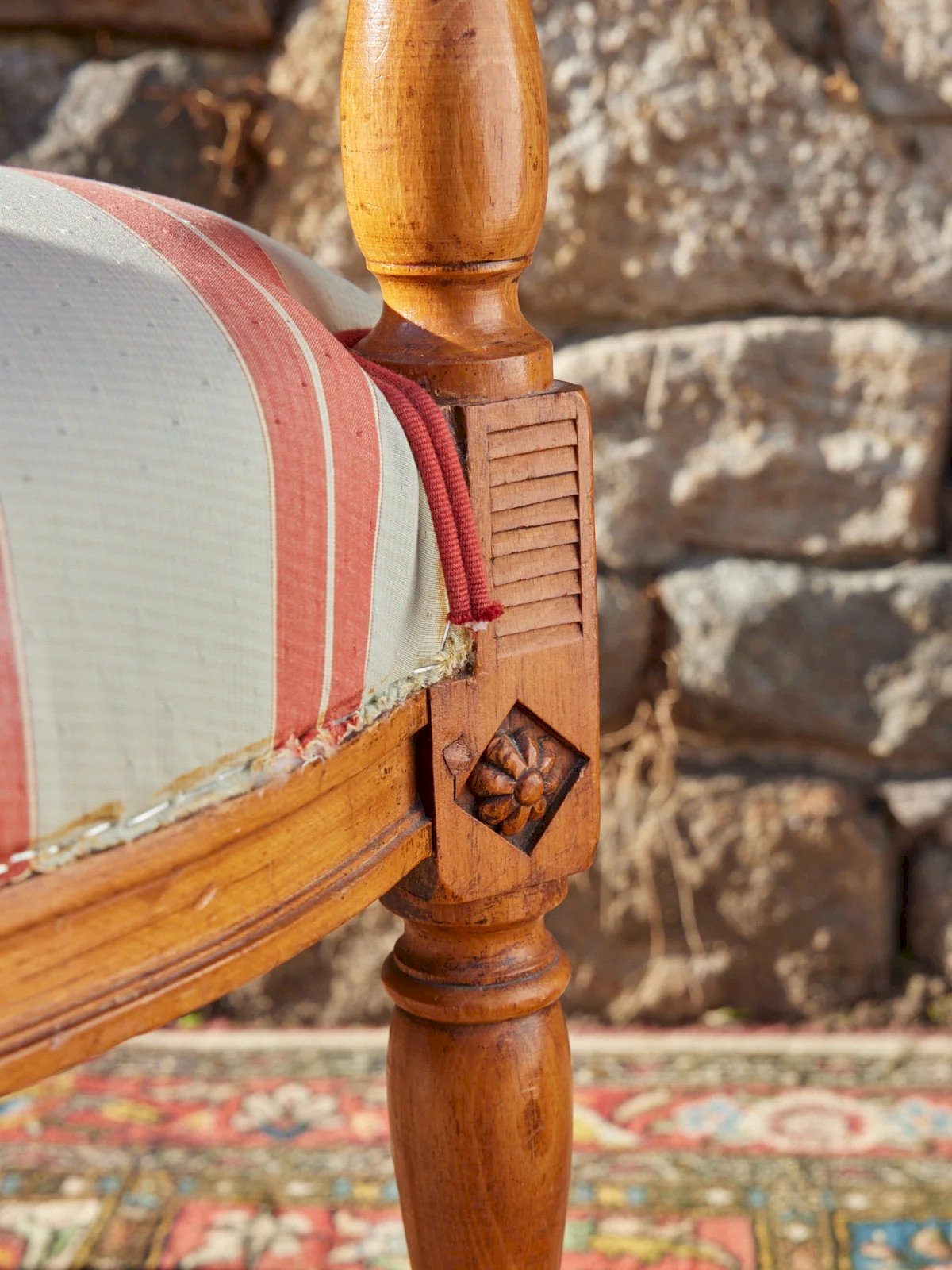
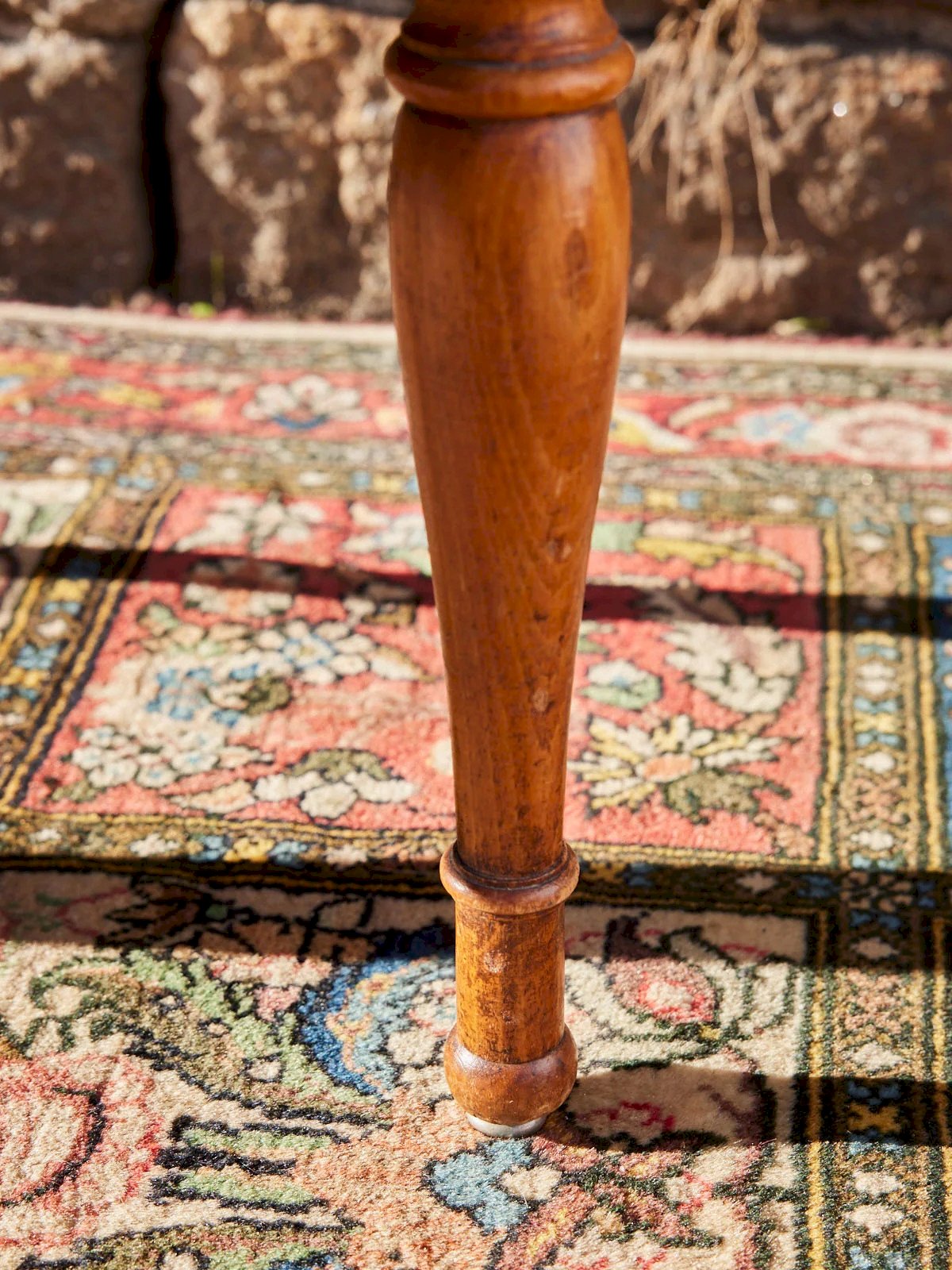
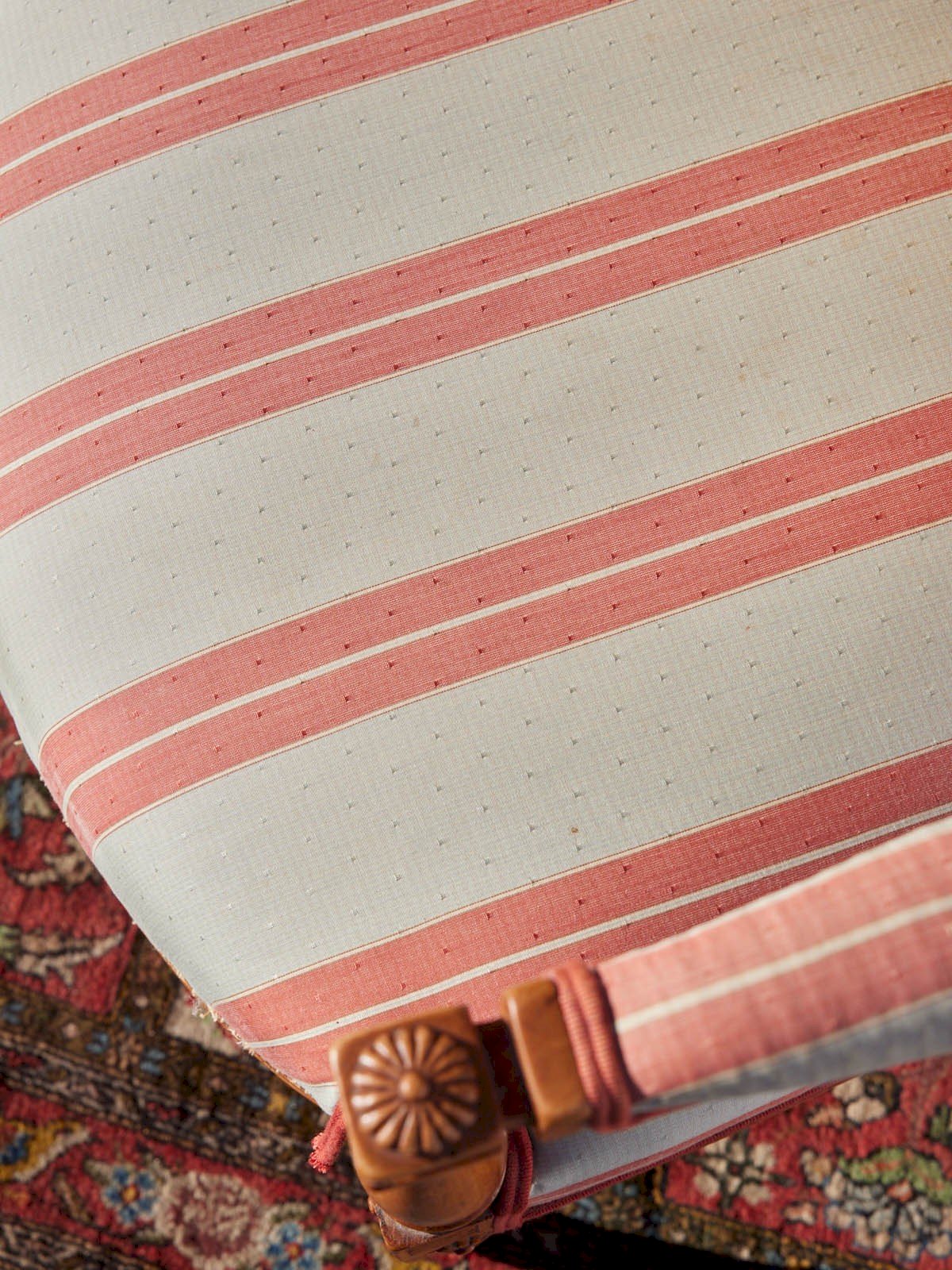
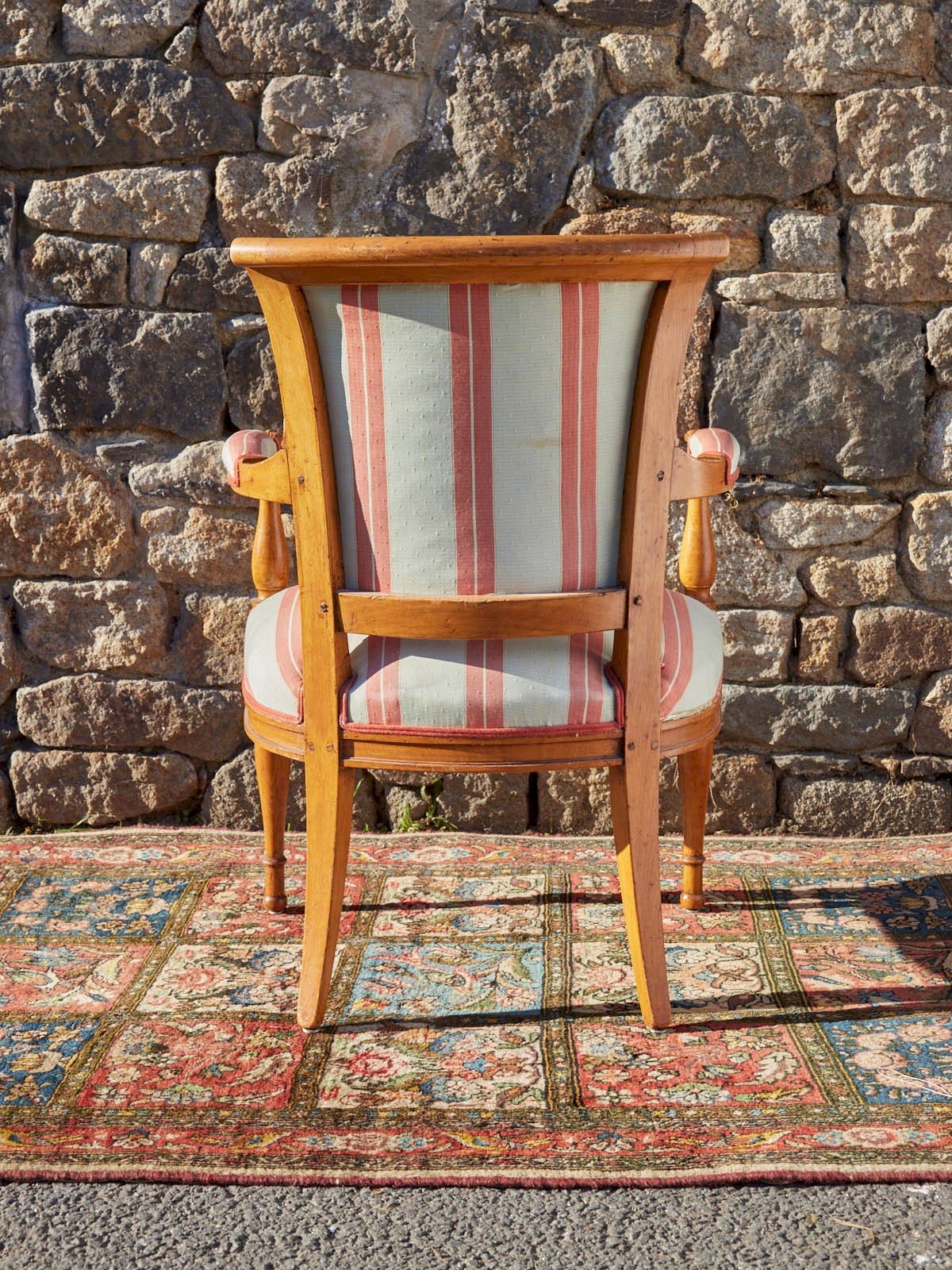
Add a campaign note to your living room with this second-hand armchair, whose light wood structure and white and red fabric evoke the elegance of the Directoire or Transition style. Its upholstered seat provides a soft texture, while the wood gives the piece a warm presence that easily pairs with a rattan side table or an antique rug. Its presence is appreciated in a bright corner, where it readily accompanies a reading time or a coffee break. Around a coffee table, it welcomes a wool throw and a reading lamp to create a tidy and peaceful scene. Width: 58 cm Depth: 58 cm Height: 83 cm A Brief History of the Armchair While the chair is meant for work or meals, the armchair was born in the 17th century for a single purpose: rest. Its name derives from the old French "faudesteuil," a folding seat for dignitaries, but it emancipated under Louis XV to become this comfort piece with armrests. Unlike the chair, it favors a wider seat and a reclined backrest, inviting conversation rather than rigid posture. Whether it’s a "bergère" with full cheeks to shield from drafts or a lighter "bridge" armchair, it embodies the evolution of the art of living.
Réf :
#414660
Brand / From : Debongout
Related Products

Comments
Ernest, the Directoire style armchair in wood No. 1719
319€
75002 Paris
Ce site contient des liens d’affiliation pour lesquels je peux recevoir une compensation.
Description
Add a campaign note to your living room with this second-hand armchair, whose light wood structure and white and red fabric evoke the elegance of the Directoire or Transition style. Its upholstered seat provides a soft texture, while the wood gives the piece a warm presence that easily pairs with a rattan side table or an antique rug. Its presence is appreciated in a bright corner, where it readily accompanies a reading time or a coffee break. Around a coffee table, it welcomes a wool throw and a reading lamp to create a tidy and peaceful scene. Width: 58 cm Depth: 58 cm Height: 83 cm A Brief History of the Armchair While the chair is meant for work or meals, the armchair was born in the 17th century for a single purpose: rest. Its name derives from the old French "faudesteuil," a folding seat for dignitaries, but it emancipated under Louis XV to become this comfort piece with armrests. Unlike the chair, it favors a wider seat and a reclined backrest, inviting conversation rather than rigid posture. Whether it’s a "bergère" with full cheeks to shield from drafts or a lighter "bridge" armchair, it embodies the evolution of the art of living.
Réf :
#414660
Brand / From : Debongout