English
  Français

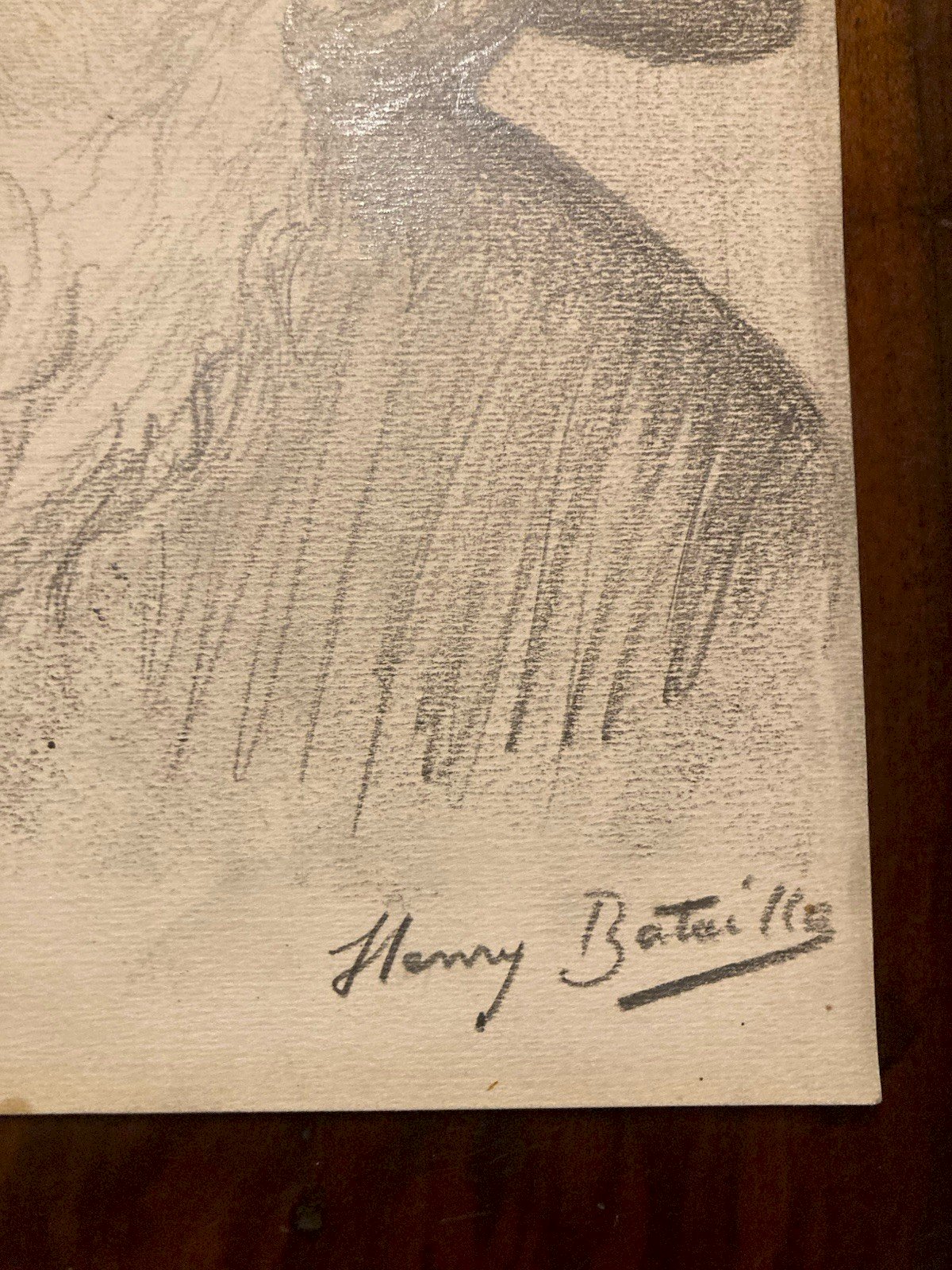
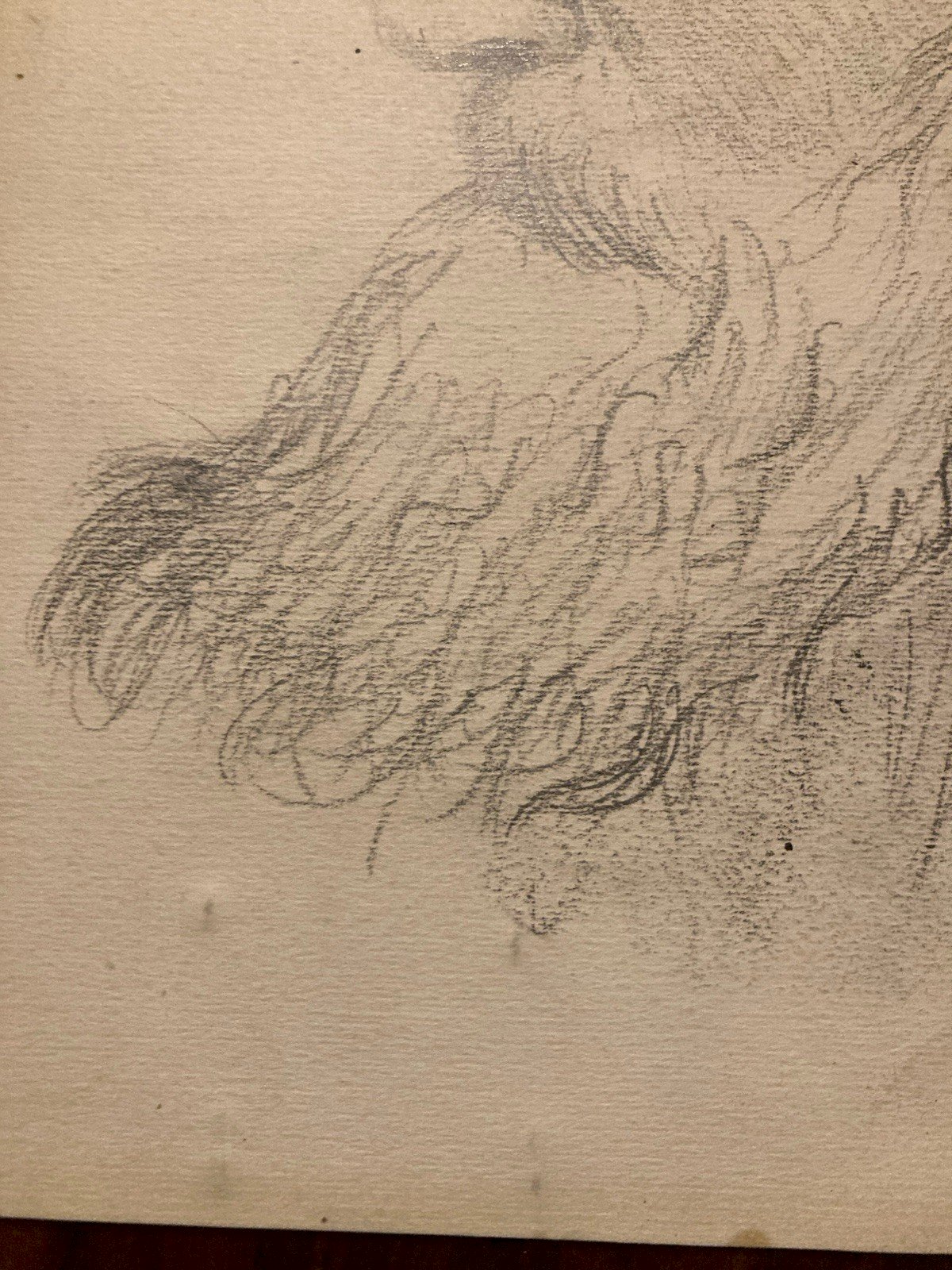

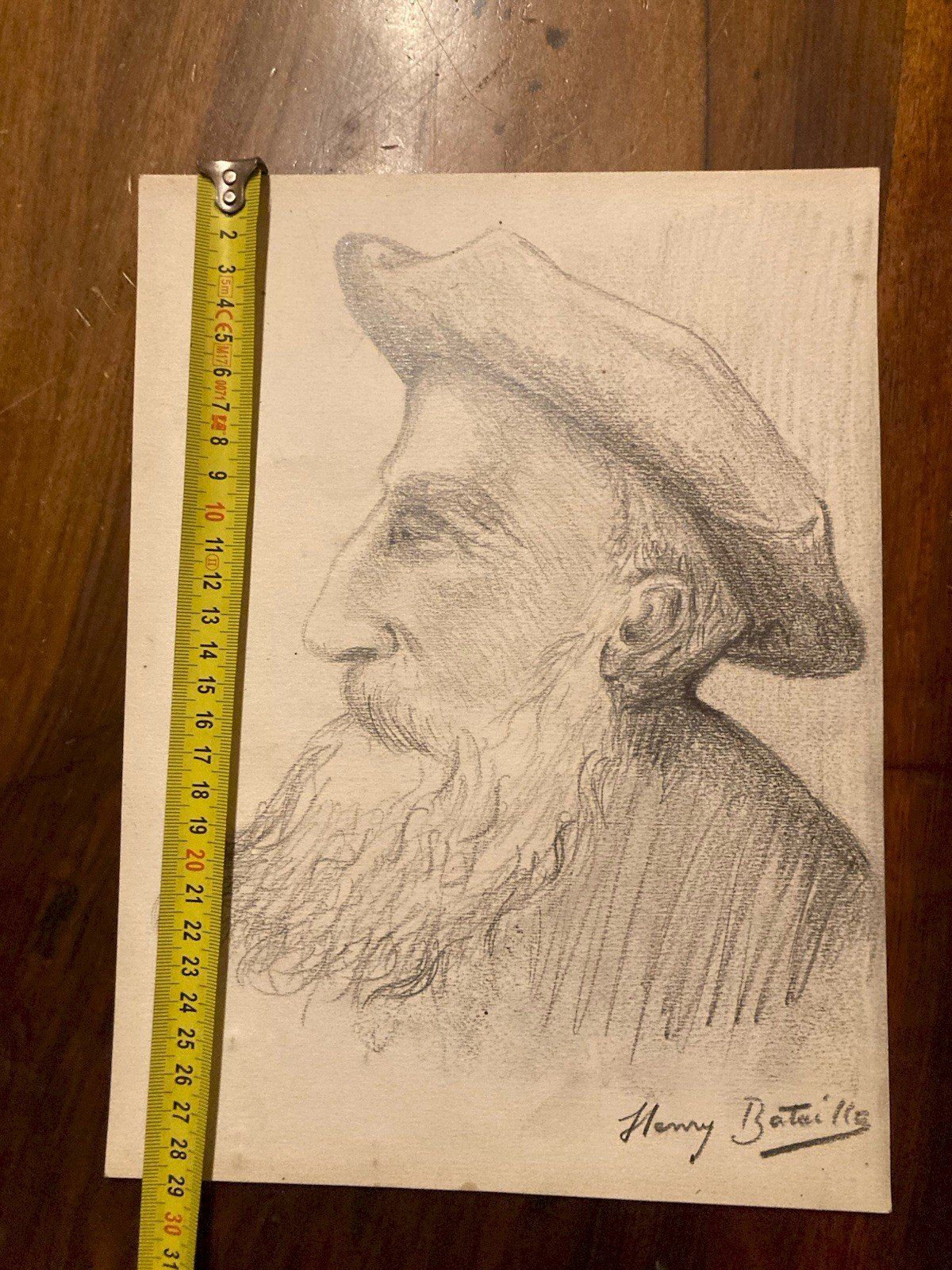
Description
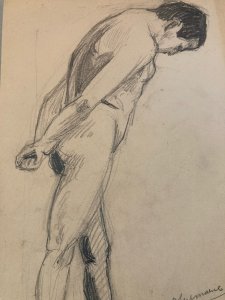
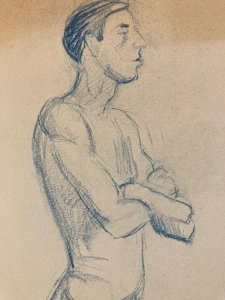
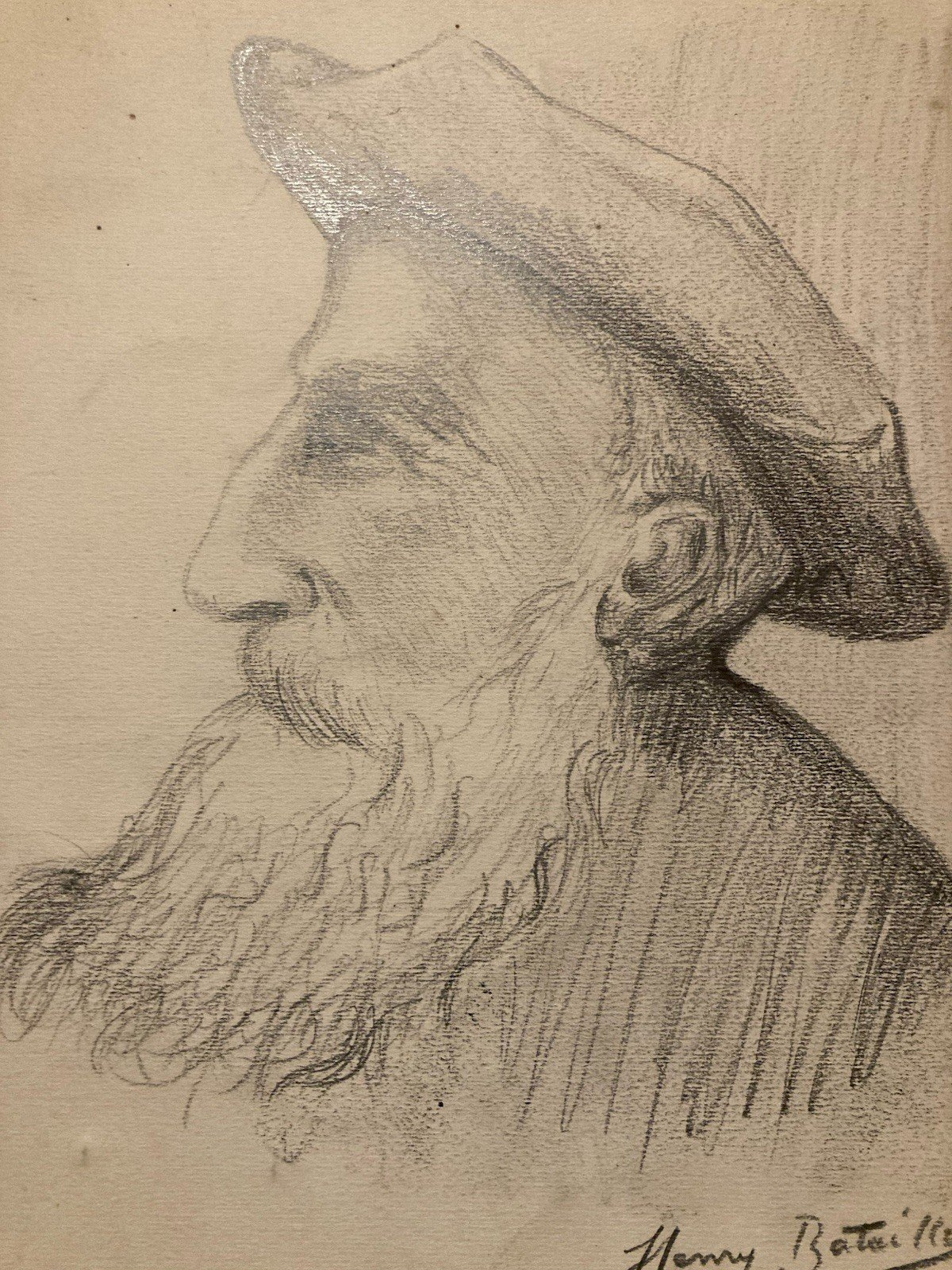
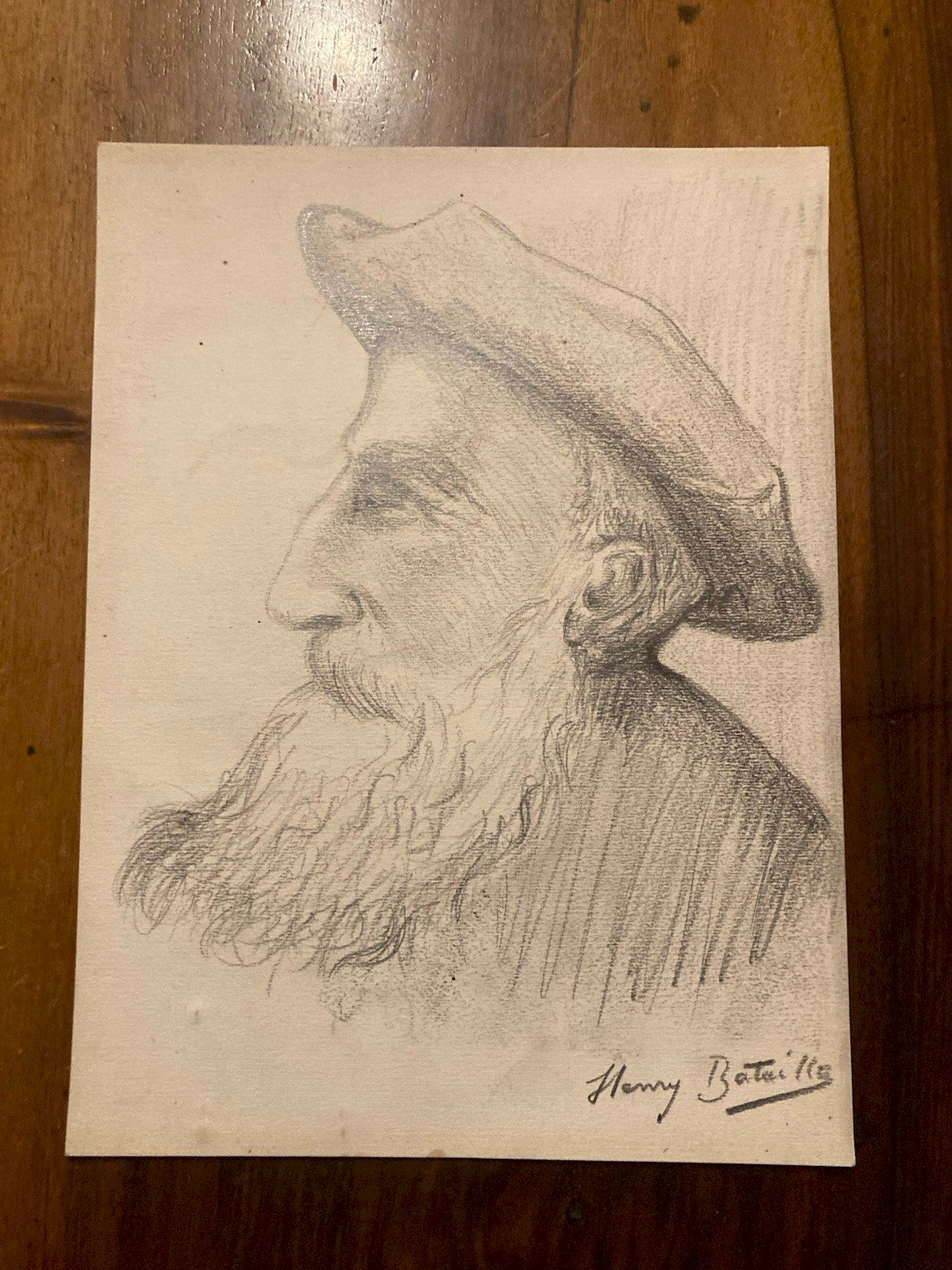
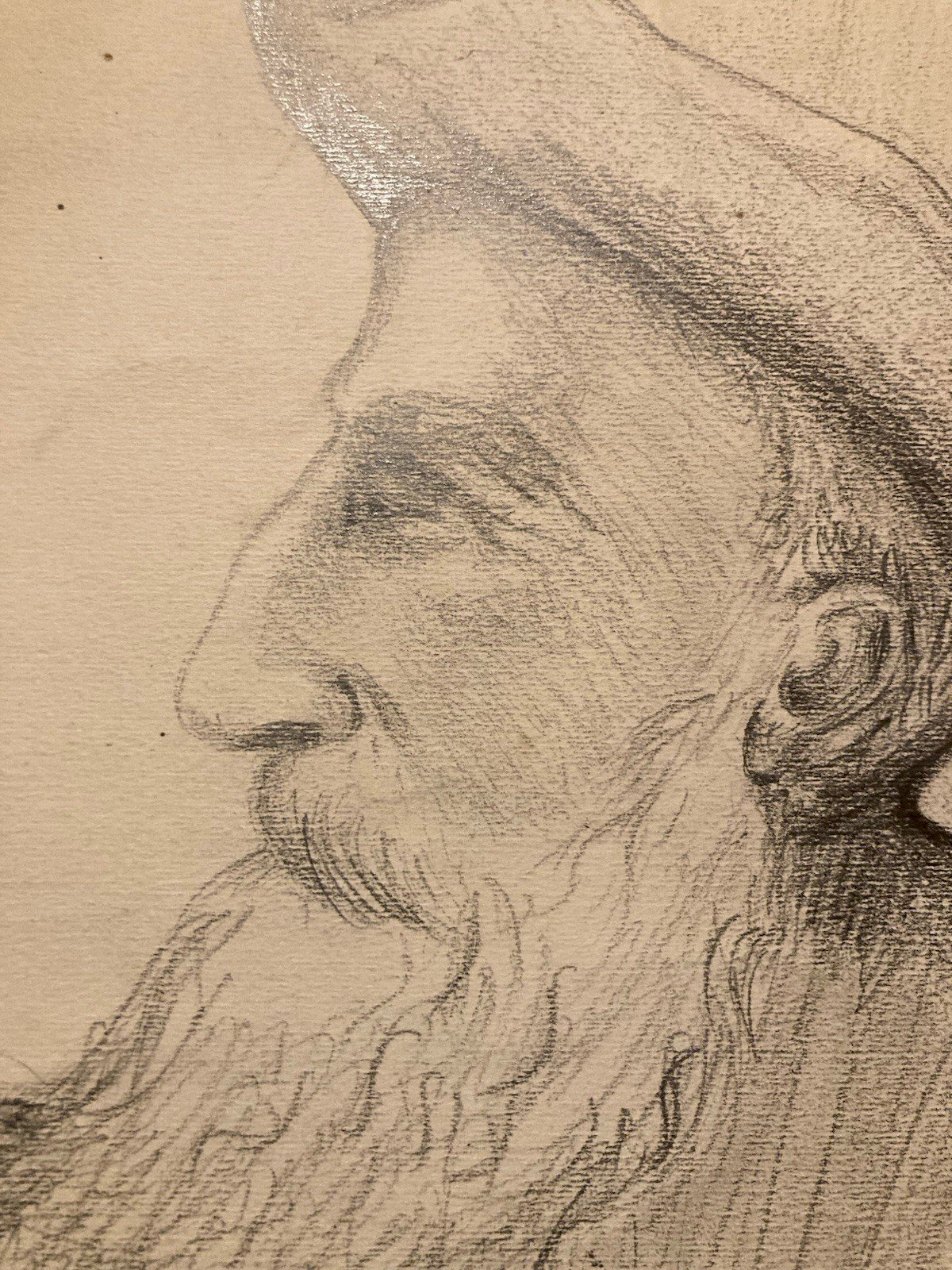
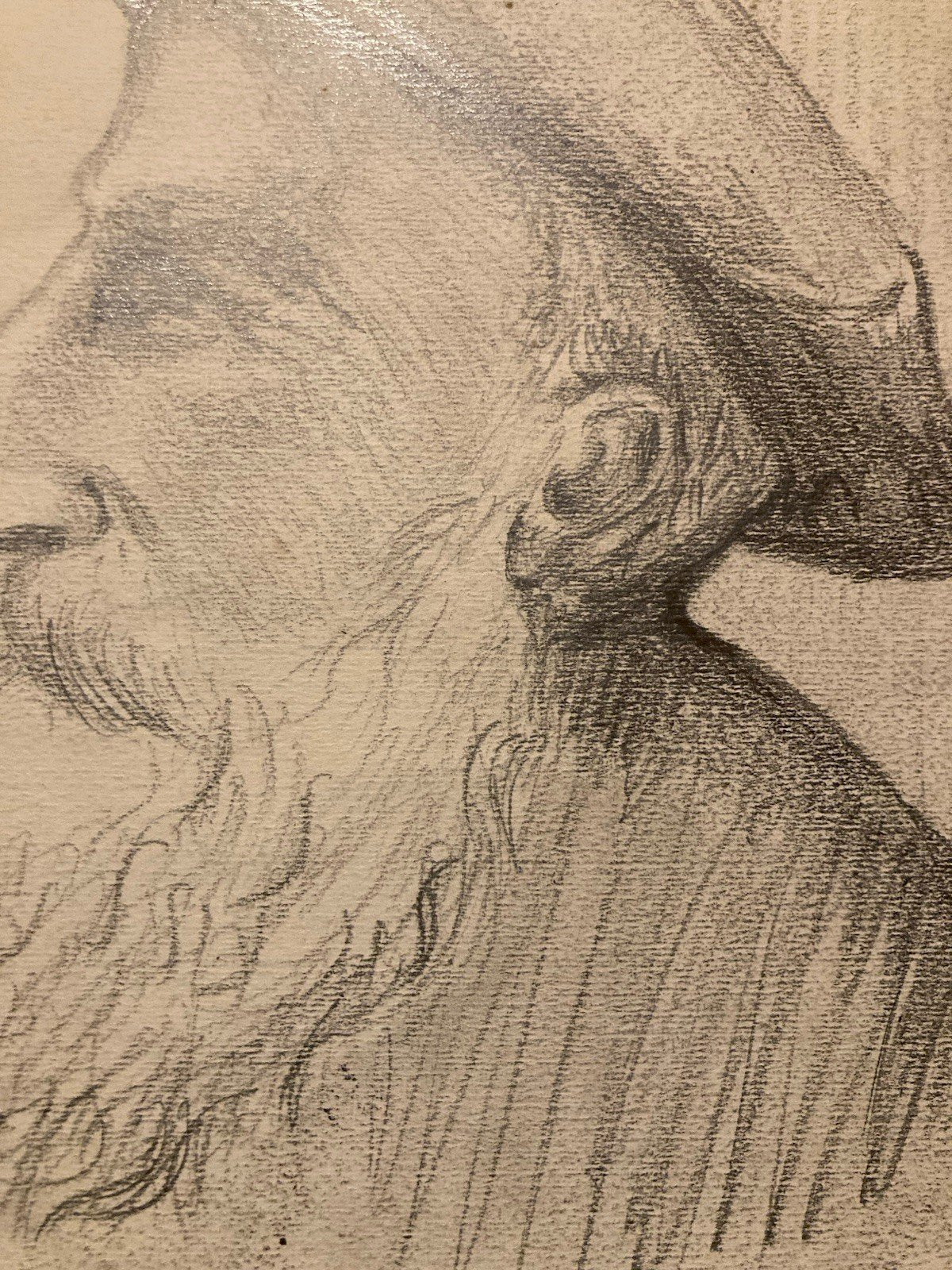
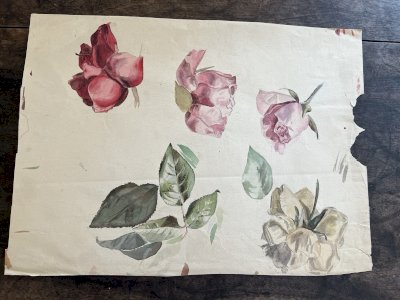
Drawing, original, created in pencil, character to identify⸻Henri Bataille (1872–1922) Henri Bataille, whose full name is Félix-Henri Bataille, was born on April 4, 1872, in Nîmes, in southern France, and died on March 2, 1922, in Rueil-Malmaison. He was one of the most popular playwrights of the Belle Époque and the early years of the 20th century. Youth and education Henri Bataille studied in Paris, notably at Lycée Louis-le-Grand. He took an early interest in literature and began publishing poetry in the 1890s. He mingled with the literary and artistic circles of the capital, forming friendships with several writers and painters of his time. At the age of 20, he published his first collection of poems: La Belle au bois dormant (1892), which revealed a symbolist sensibility. Theatrical career It is in the theater that Henri Bataille found his true path. His first major play, La Lépreuse, premiered in 1896. He gained success with significant works such as: • La Femme nue (1908) – a sentimental and social drama about passionate love, which would be adapted for film multiple times; • Maman Colibri (1904) – on the theme of aging and the love of a mature woman for a young man; • L’Enchantement (1900); • Le Scandale (1909). His plays, often performed at the Théâtre de l’Œuvre or the Théâtre Sarah-Bernhardt, are psychological and sentimental dramas, very popular with the public. Style and themes Henri Bataille is distinguished by a psychological and sentimental realism, mingled with naturalistic elements and sometimes symbolism. He focuses on describing the torments of the soul, inner conflicts, social tensions, and forbidden or tragic loves. He introduces a form of sensuality and modernity into the theater, captivating an audience in search of novelty. His theater is also marked by social critique, especially regarding the condition of women, bourgeois appearances, and the hypocrisies of society. Influence and legacy Henri Bataille enjoyed immense success during his lifetime. His works were translated, performed abroad, and some were adapted for film as early as the beginnings of the 7th art (notably by Abel Gance or Louis Mercanton).
Réf :
#405072
Related Products




Comments
Drawing, Pencil, signed Henri Henry Bataille Literature 19th Century Ancient Art
190€
31500 Toulouse
Ce site contient des liens d’affiliation pour lesquels je peux recevoir une compensation.
Description
Drawing, original, created in pencil, character to identify⸻Henri Bataille (1872–1922) Henri Bataille, whose full name is Félix-Henri Bataille, was born on April 4, 1872, in Nîmes, in southern France, and died on March 2, 1922, in Rueil-Malmaison. He was one of the most popular playwrights of the Belle Époque and the early years of the 20th century. Youth and education Henri Bataille studied in Paris, notably at Lycée Louis-le-Grand. He took an early interest in literature and began publishing poetry in the 1890s. He mingled with the literary and artistic circles of the capital, forming friendships with several writers and painters of his time. At the age of 20, he published his first collection of poems: La Belle au bois dormant (1892), which revealed a symbolist sensibility. Theatrical career It is in the theater that Henri Bataille found his true path. His first major play, La Lépreuse, premiered in 1896. He gained success with significant works such as: • La Femme nue (1908) – a sentimental and social drama about passionate love, which would be adapted for film multiple times; • Maman Colibri (1904) – on the theme of aging and the love of a mature woman for a young man; • L’Enchantement (1900); • Le Scandale (1909). His plays, often performed at the Théâtre de l’Œuvre or the Théâtre Sarah-Bernhardt, are psychological and sentimental dramas, very popular with the public. Style and themes Henri Bataille is distinguished by a psychological and sentimental realism, mingled with naturalistic elements and sometimes symbolism. He focuses on describing the torments of the soul, inner conflicts, social tensions, and forbidden or tragic loves. He introduces a form of sensuality and modernity into the theater, captivating an audience in search of novelty. His theater is also marked by social critique, especially regarding the condition of women, bourgeois appearances, and the hypocrisies of society. Influence and legacy Henri Bataille enjoyed immense success during his lifetime. His works were translated, performed abroad, and some were adapted for film as early as the beginnings of the 7th art (notably by Abel Gance or Louis Mercanton).
Réf :
#405072