English
 Français


Description
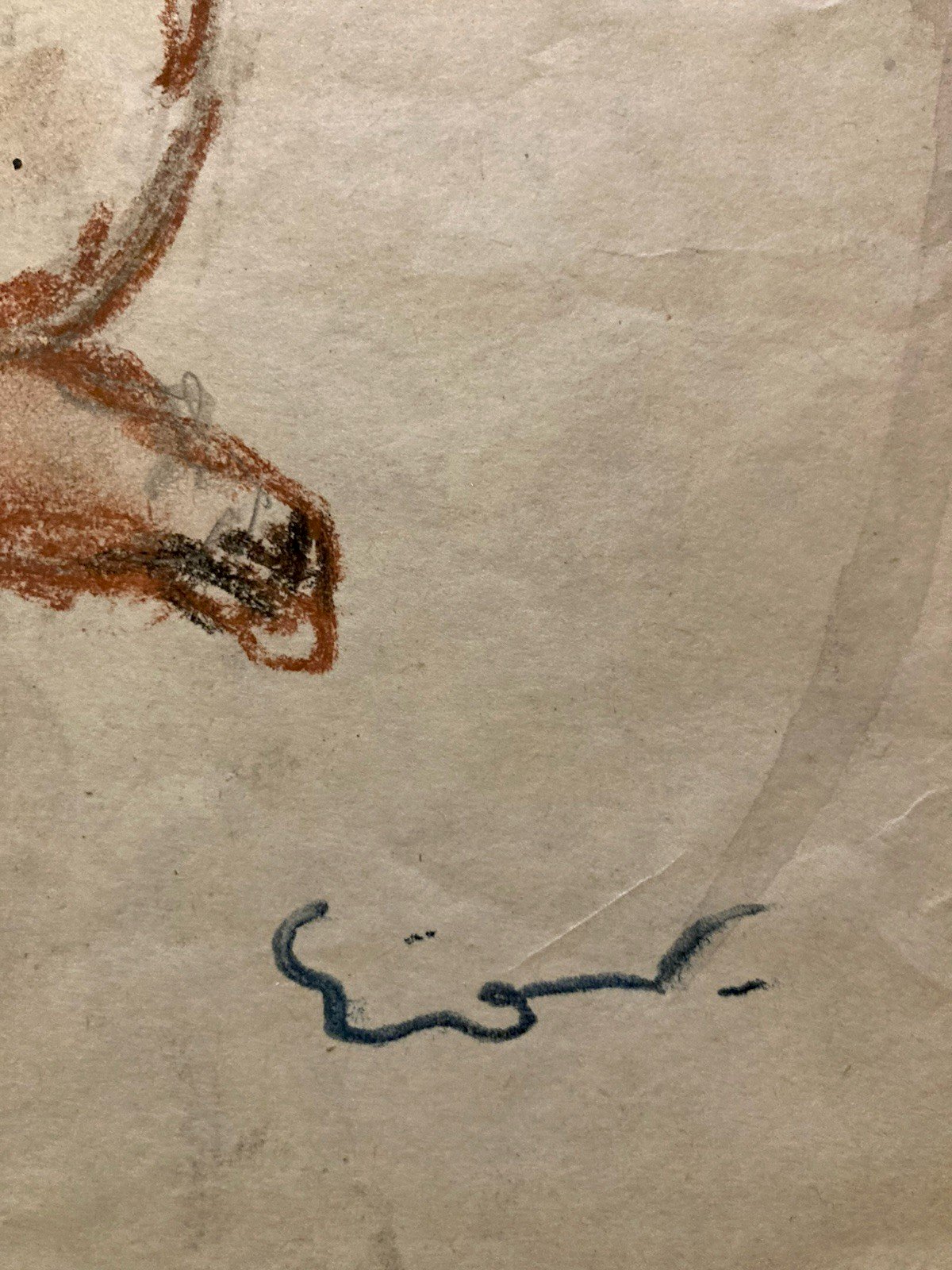
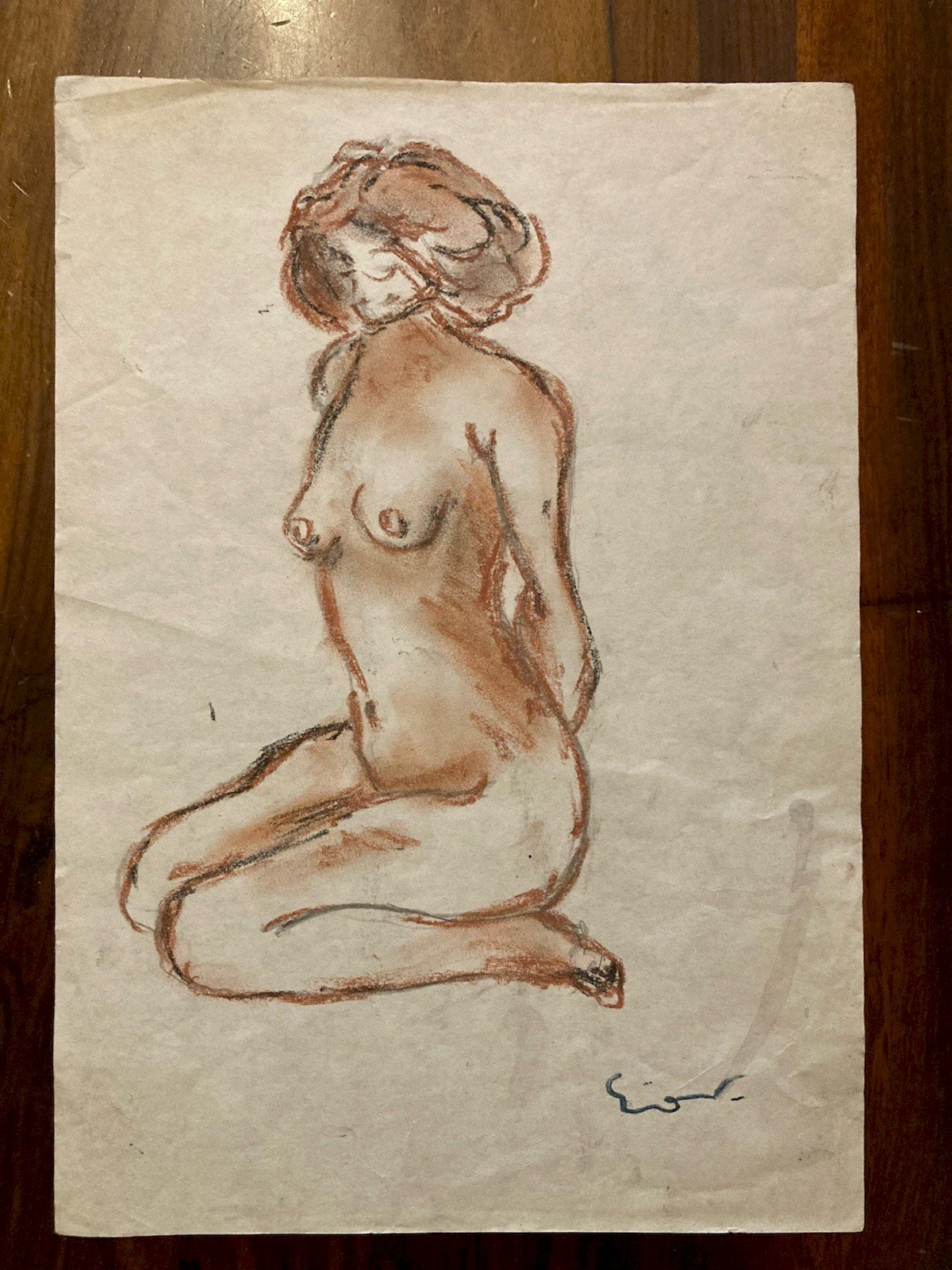
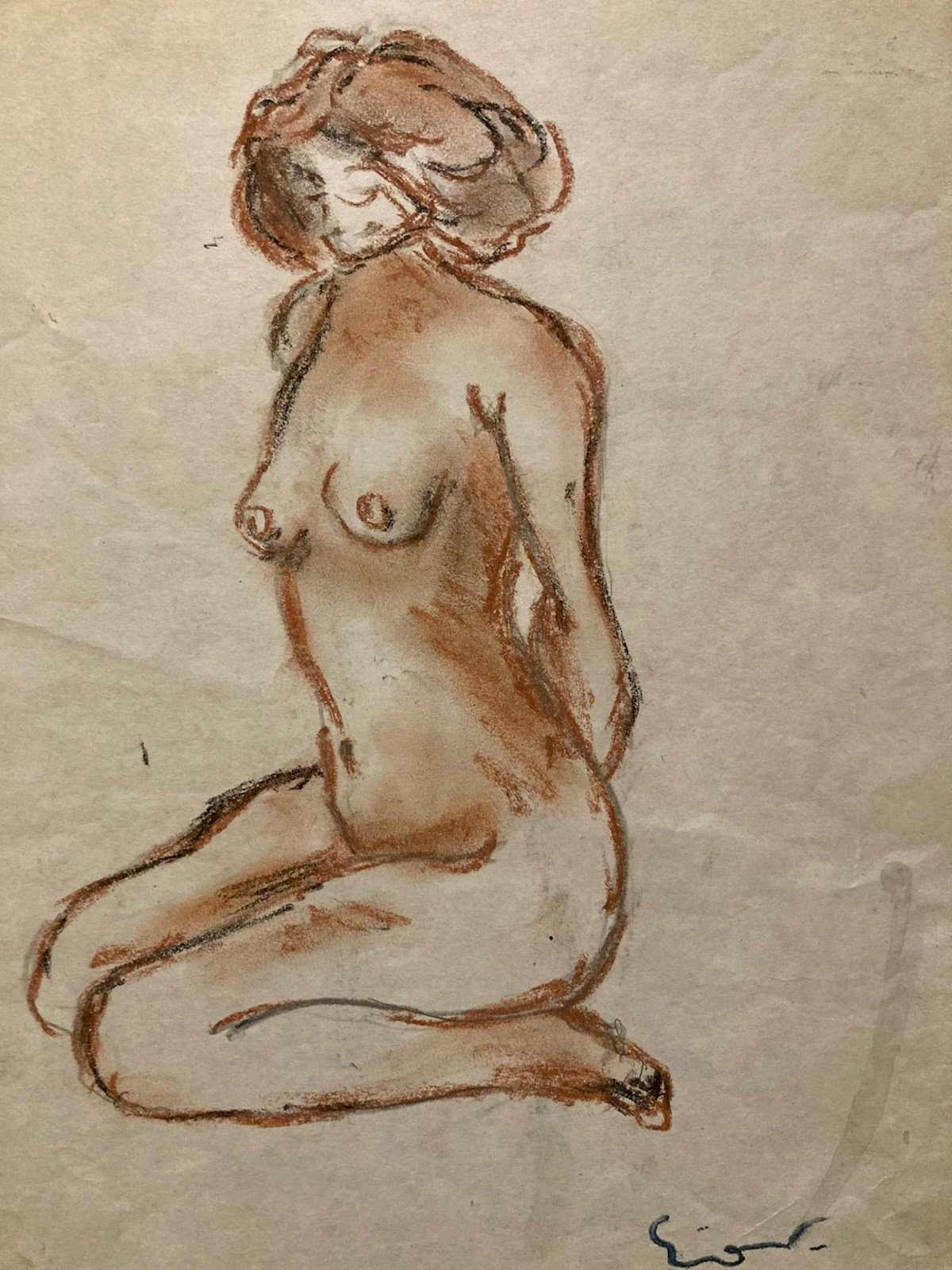
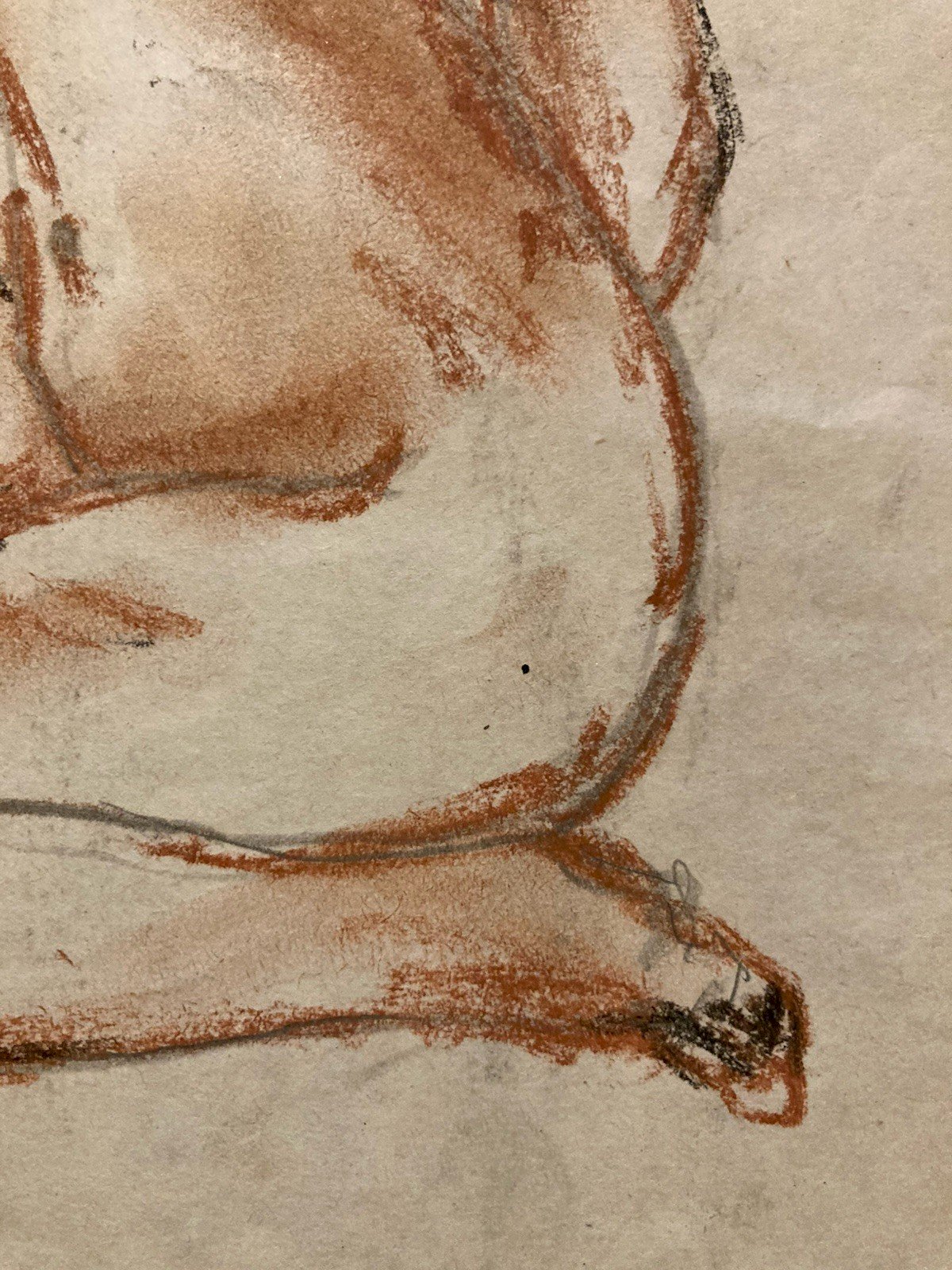
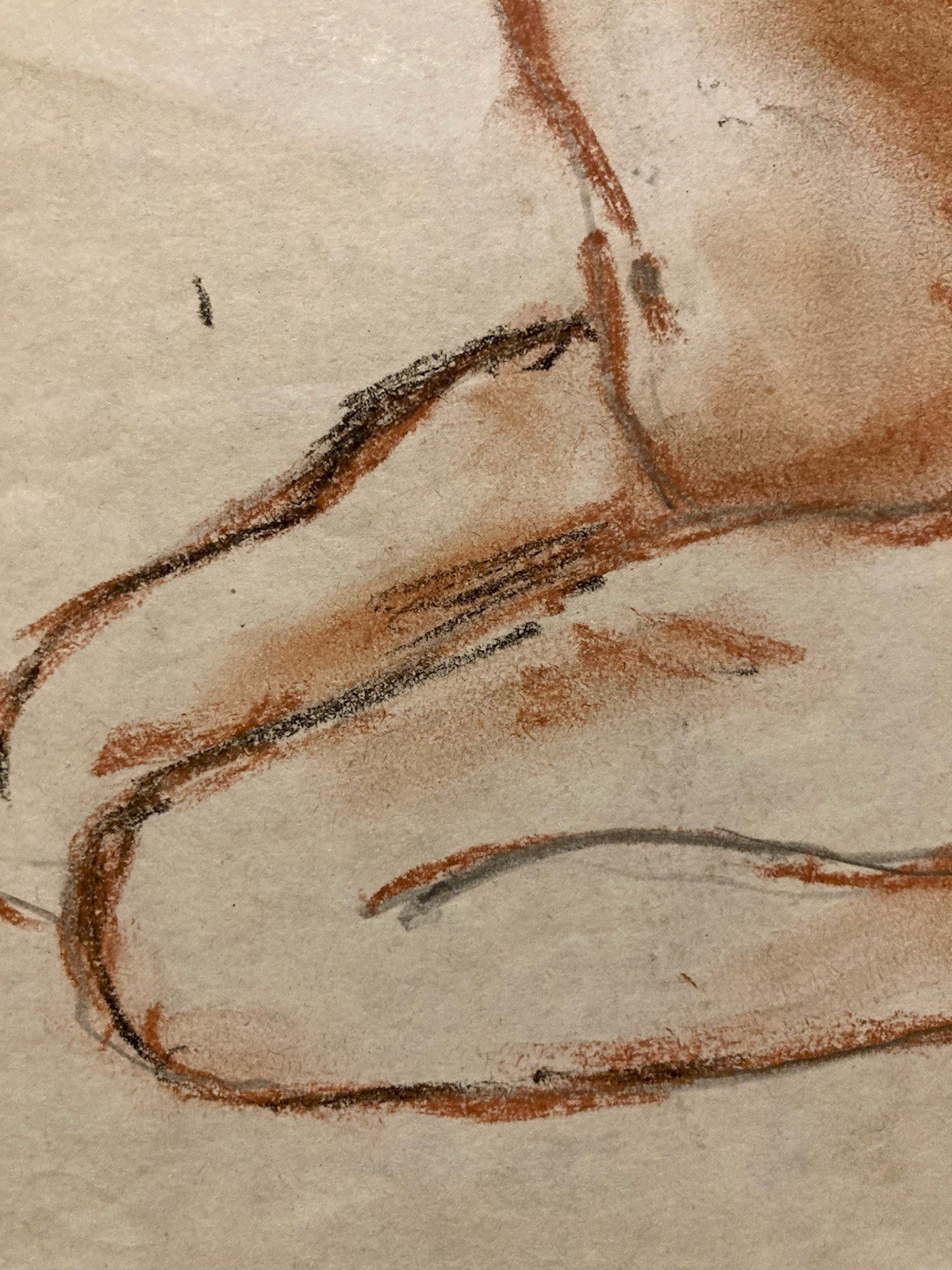
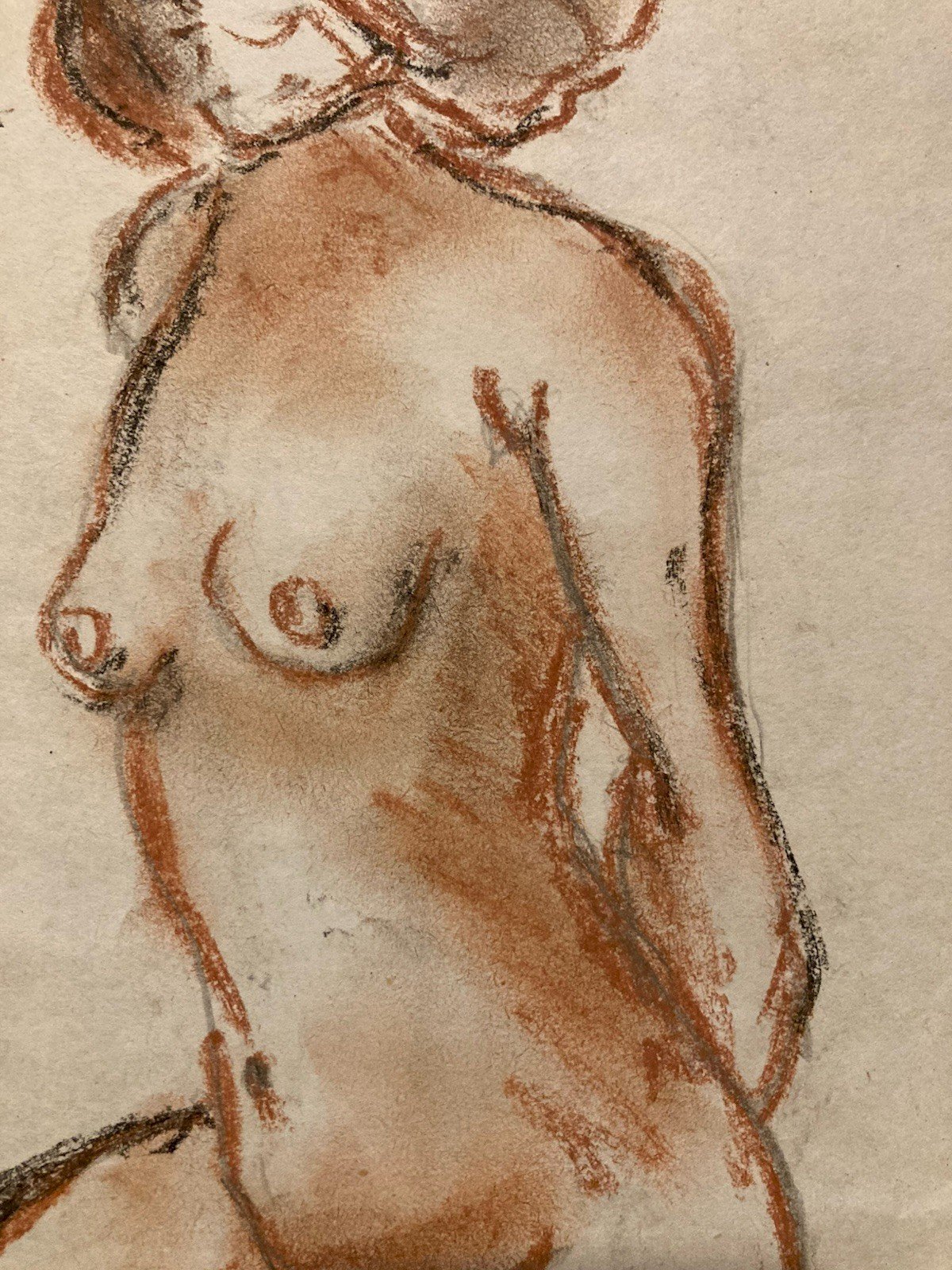
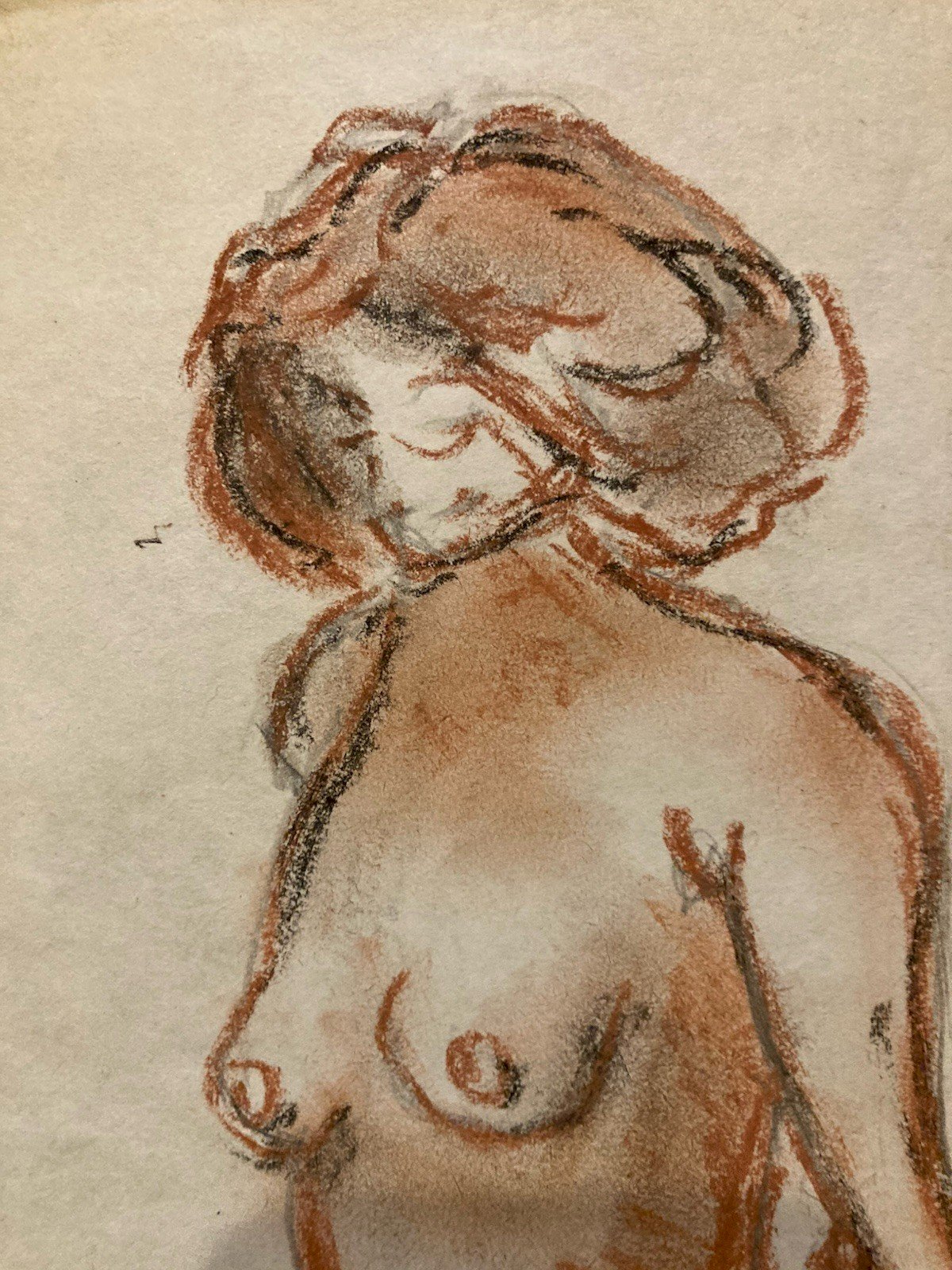
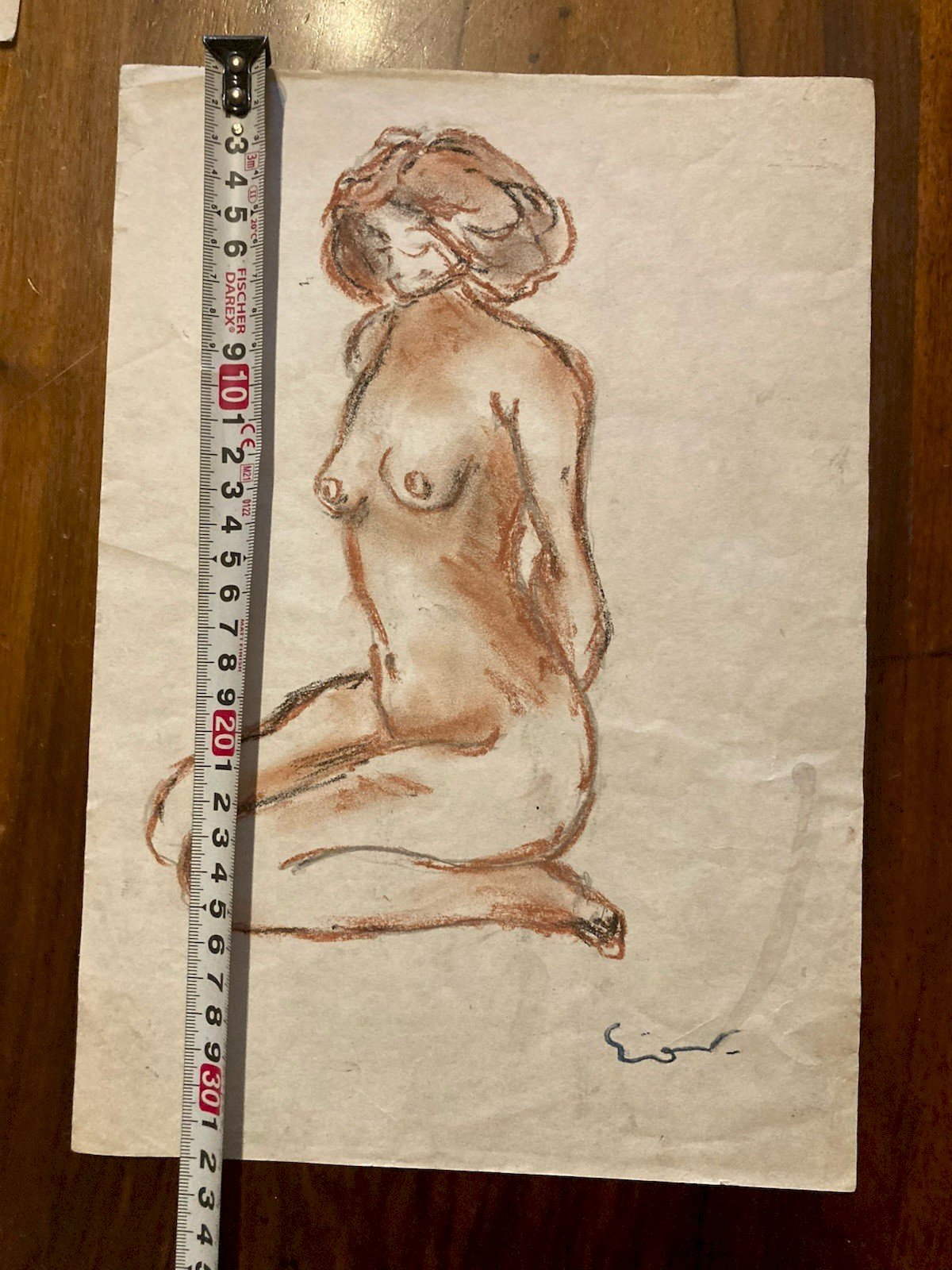
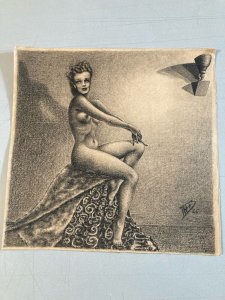
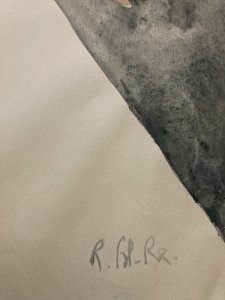
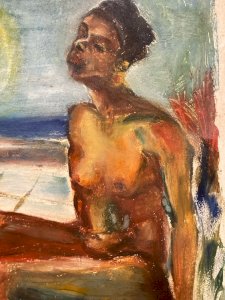
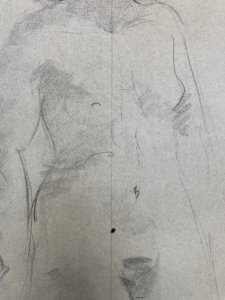
Delivery service: Colissimo Very beautiful drawing in pencil and sanguine, signed Emile Othon Friesz was born in Le Havre on February 6, 1879. Despite the reluctance of his navigator father, Othon Friesz's mother eventually gave in to her son's incessant requests and enrolled him in the Le Havre School of Fine Arts at the age of thirteen. He took classes from Charles Lhuillier, who played an essential role in the development of his work, alongside his friend Raoul Dufy, and then met Georges Braque, who was a student in evening classes taught by Courchet. He was awarded a municipal scholarship in 1897 and continued his training at the École des Beaux-Arts in Paris. He then entered Léon Bonnat's studio, an academic realist painter, who does not seem to have exerted a great influence on the young Othon Friesz. Dufy joined him there in 1899. Friesz befriended the students of Gustave Moreau, including Manguin, Marquet, Matisse, and later Camoin. In the absence of teaching, it was at the Louvre that Friesz drew his greatest inspiration. Fascinated by the group of Impressionists, he met Guillaumin, thirty-eight years his senior, with whom he spent the summer of 1901, then Pissarro the following year. In 1903, the artist participated for the first time in the Salon des Indépendants, then in the Salon d'Automne in 1904, and did not yet enter the "cage of fauves" in 1905, where a large part of Moreau's students were found. In search of a synthesis between modernity and tradition, he only gradually freed himself from the decaying Impressionist precepts. It was during the summer of 1906 that the first fauvist accords appeared. Friesz was then staying in Antwerp with his friend Georges Braque and engaged in unprecedented plastic experiments without yet completely liberating himself from the naturalism of Impressionism. The pure color, used by Braque in the service of pictorial space, was not yet fully integrated into Friesz's spirit, who approached this frank and revolutionary painting more timidly. Nonetheless, his paintings exhibited at the Salon d'Automne of 1906 in room III, that of Matisse, Manguin, Marquet, Derain, Vlaminck, Camoin, Girieud, and Van Dongen, demonstrate a real desire for affiliation with the group. During the winter of 1907, Friesz traveled alone to Honfleur. There, color finally gave tone and form. The fauvist peak, if not of all his work, occurred in the summer of 1907 during his stay with Braque on the Mediterranean coast at La Ciotat. The two painters found the bright light of southern France there, the one that had enchanted Matisse and Derain, reminiscent of the young man's travels with his mother. Cradled by the Mediterranean and its gentle warmth, color radiated from Friesz's canvases. The arabesque in the drawing of lush vegetation, the stylization of forms, eradicated illusionistic descriptive elements to deliver only the essential: flamboyant, lyrical landscapes, whose chromatic strength bursts forth. That’s it, Othon Friesz is a fauve. “It was suddenly, (…) in La Ciotat, on the motif, that I realized that a lacquered outline had been born, inscribing the hill with a line. I had instinctively returned to drawing, out of pictorial necessity. I had relearned drawing by myself, felt drawing, something that neither masters nor antiques could teach me. A more serious art led me back to style, made of cadences and rhythms,” the painter recounts. (Othon Friesz, quoted in F. Fels, L'Art vivant, from 1900 to the present day, Geneva, Pierre Cailler, 1950) That same year, the artist exhibited around forty paintings with the dealer Druet, with whom he signed an exclusive contract. Upon their return to Paris, Braque became increasingly close to Picasso and his cubist theories. Friesz, meanwhile, seemed again to be drawn by the past and those he admired so much. The influence of Cézanne, supported by a solid structure, the energy of line and strong contrasts became dominant. As the First World War approached, his palette gradually darkened with shades of browns, greens, and blues. Othon Friesz's success was pronounced with exhibitions not only in France at Druet and the Salon des Indépendants as well as the Salon d'Automne in Paris, but also at the Salon of the Golden Fleece and the Salon of the Diamond Suit in Moscow and then in London at the exhibition "Manet and the Post-Impressionists," at the Armory Show in New York, the Cassiner Gallery in Berlin, in Saint Petersburg, Düsseldorf, Cologne, Amsterdam, Leipzig, Prague, Brussels, and finally Munich. However, the onset of the First World War slowed this meteoric international rise. In 1914, the painter had a decisive encounter and built a lasting friendship with Léon Pédron, a wealthy coffee trader. The businessman asked Friesz, now a renowned artist, to manage his collection and purchased a significant portion of his work. This collaboration secured the artist's financial well-being and enabled him to lead a comfortable life as a recognized artist. Concerned about his commercial development, Friesz terminated his exclusive contract with Druet. The painter grew closer to Emile Bernard and Maurice Denis, with whom he passionately defended Cézanne’s legacy. In 1919, Pédron created "Les Amis de la peinture moderne" to financially support Friesz's work. The artist was made a knight in 1925, an officer in 1933, and finally a commander of the Legion of Honor in 1938. Upon Pédron's death, it was Katia Granoff from the eponymous gallery who became Friesz's main patron. In the last period of his life, the painter's art became increasingly classical, devoid of new research and plastic advancements. On January 10, 1949, Emile Othon Friesz died in Paris.
Réf :
#407701
Related Products




Comments
Drawing Emile Othon Friesz Charcoal Paper Woman 1920 study expressionism Antique
470€
31500 Toulouse
Ce site contient des liens d’affiliation pour lesquels je peux recevoir une compensation.
Description
Delivery service: Colissimo Very beautiful drawing in pencil and sanguine, signed Emile Othon Friesz was born in Le Havre on February 6, 1879. Despite the reluctance of his navigator father, Othon Friesz's mother eventually gave in to her son's incessant requests and enrolled him in the Le Havre School of Fine Arts at the age of thirteen. He took classes from Charles Lhuillier, who played an essential role in the development of his work, alongside his friend Raoul Dufy, and then met Georges Braque, who was a student in evening classes taught by Courchet. He was awarded a municipal scholarship in 1897 and continued his training at the École des Beaux-Arts in Paris. He then entered Léon Bonnat's studio, an academic realist painter, who does not seem to have exerted a great influence on the young Othon Friesz. Dufy joined him there in 1899. Friesz befriended the students of Gustave Moreau, including Manguin, Marquet, Matisse, and later Camoin. In the absence of teaching, it was at the Louvre that Friesz drew his greatest inspiration. Fascinated by the group of Impressionists, he met Guillaumin, thirty-eight years his senior, with whom he spent the summer of 1901, then Pissarro the following year. In 1903, the artist participated for the first time in the Salon des Indépendants, then in the Salon d'Automne in 1904, and did not yet enter the "cage of fauves" in 1905, where a large part of Moreau's students were found. In search of a synthesis between modernity and tradition, he only gradually freed himself from the decaying Impressionist precepts. It was during the summer of 1906 that the first fauvist accords appeared. Friesz was then staying in Antwerp with his friend Georges Braque and engaged in unprecedented plastic experiments without yet completely liberating himself from the naturalism of Impressionism. The pure color, used by Braque in the service of pictorial space, was not yet fully integrated into Friesz's spirit, who approached this frank and revolutionary painting more timidly. Nonetheless, his paintings exhibited at the Salon d'Automne of 1906 in room III, that of Matisse, Manguin, Marquet, Derain, Vlaminck, Camoin, Girieud, and Van Dongen, demonstrate a real desire for affiliation with the group. During the winter of 1907, Friesz traveled alone to Honfleur. There, color finally gave tone and form. The fauvist peak, if not of all his work, occurred in the summer of 1907 during his stay with Braque on the Mediterranean coast at La Ciotat. The two painters found the bright light of southern France there, the one that had enchanted Matisse and Derain, reminiscent of the young man's travels with his mother. Cradled by the Mediterranean and its gentle warmth, color radiated from Friesz's canvases. The arabesque in the drawing of lush vegetation, the stylization of forms, eradicated illusionistic descriptive elements to deliver only the essential: flamboyant, lyrical landscapes, whose chromatic strength bursts forth. That’s it, Othon Friesz is a fauve. “It was suddenly, (…) in La Ciotat, on the motif, that I realized that a lacquered outline had been born, inscribing the hill with a line. I had instinctively returned to drawing, out of pictorial necessity. I had relearned drawing by myself, felt drawing, something that neither masters nor antiques could teach me. A more serious art led me back to style, made of cadences and rhythms,” the painter recounts. (Othon Friesz, quoted in F. Fels, L'Art vivant, from 1900 to the present day, Geneva, Pierre Cailler, 1950) That same year, the artist exhibited around forty paintings with the dealer Druet, with whom he signed an exclusive contract. Upon their return to Paris, Braque became increasingly close to Picasso and his cubist theories. Friesz, meanwhile, seemed again to be drawn by the past and those he admired so much. The influence of Cézanne, supported by a solid structure, the energy of line and strong contrasts became dominant. As the First World War approached, his palette gradually darkened with shades of browns, greens, and blues. Othon Friesz's success was pronounced with exhibitions not only in France at Druet and the Salon des Indépendants as well as the Salon d'Automne in Paris, but also at the Salon of the Golden Fleece and the Salon of the Diamond Suit in Moscow and then in London at the exhibition "Manet and the Post-Impressionists," at the Armory Show in New York, the Cassiner Gallery in Berlin, in Saint Petersburg, Düsseldorf, Cologne, Amsterdam, Leipzig, Prague, Brussels, and finally Munich. However, the onset of the First World War slowed this meteoric international rise. In 1914, the painter had a decisive encounter and built a lasting friendship with Léon Pédron, a wealthy coffee trader. The businessman asked Friesz, now a renowned artist, to manage his collection and purchased a significant portion of his work. This collaboration secured the artist's financial well-being and enabled him to lead a comfortable life as a recognized artist. Concerned about his commercial development, Friesz terminated his exclusive contract with Druet. The painter grew closer to Emile Bernard and Maurice Denis, with whom he passionately defended Cézanne’s legacy. In 1919, Pédron created "Les Amis de la peinture moderne" to financially support Friesz's work. The artist was made a knight in 1925, an officer in 1933, and finally a commander of the Legion of Honor in 1938. Upon Pédron's death, it was Katia Granoff from the eponymous gallery who became Friesz's main patron. In the last period of his life, the painter's art became increasingly classical, devoid of new research and plastic advancements. On January 10, 1949, Emile Othon Friesz died in Paris.
Réf :
#407701