English
  Français

Description
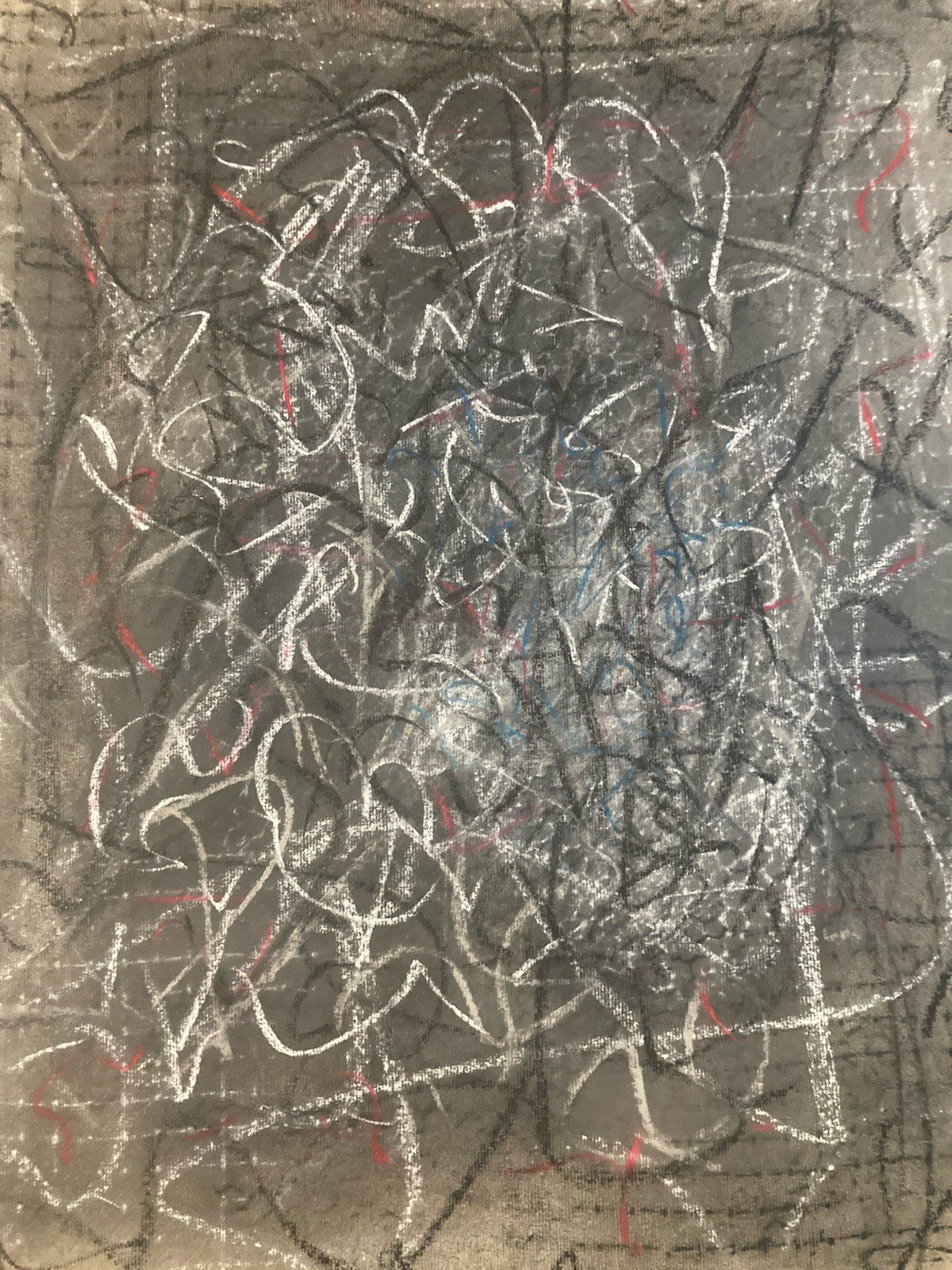
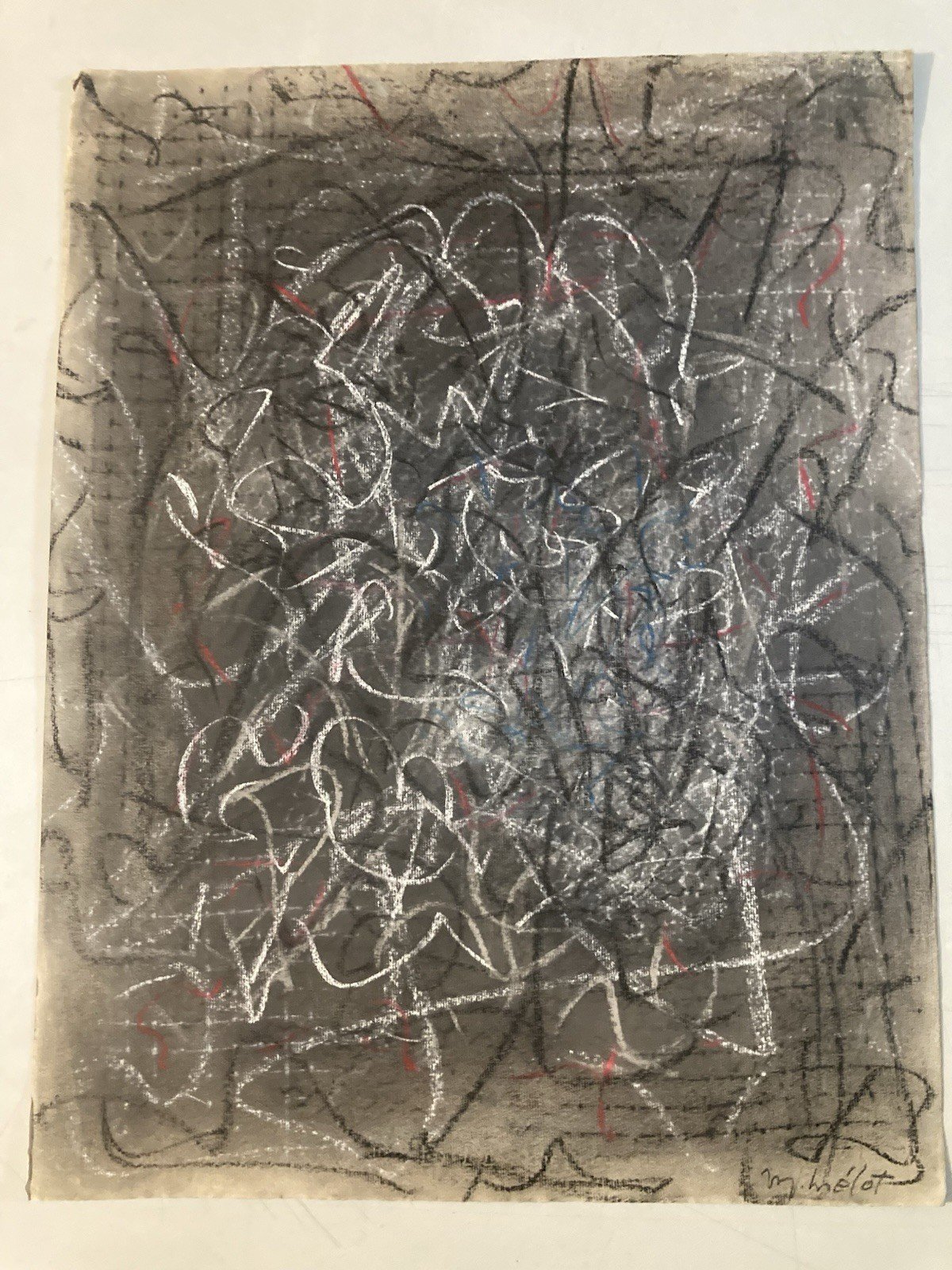
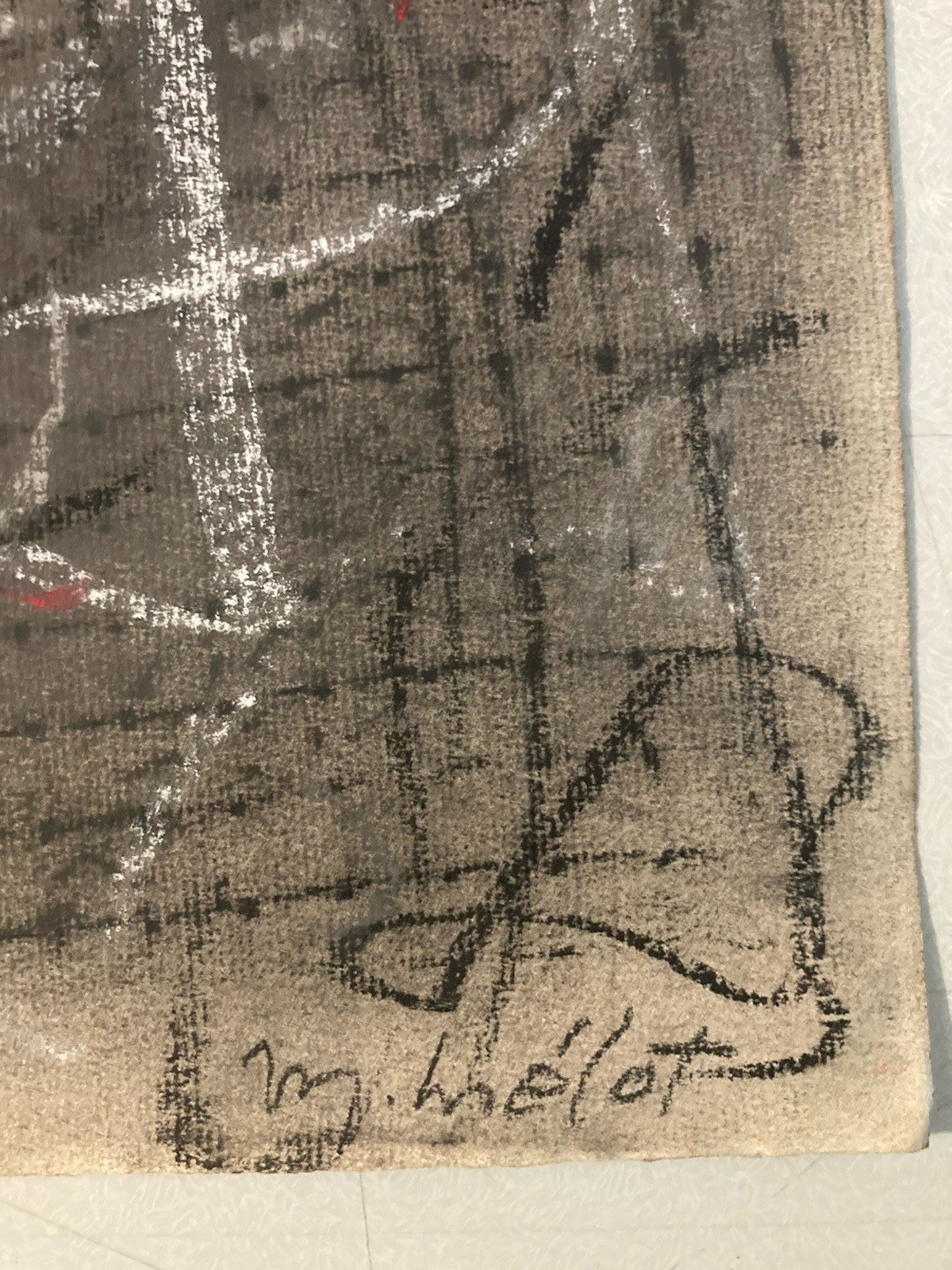
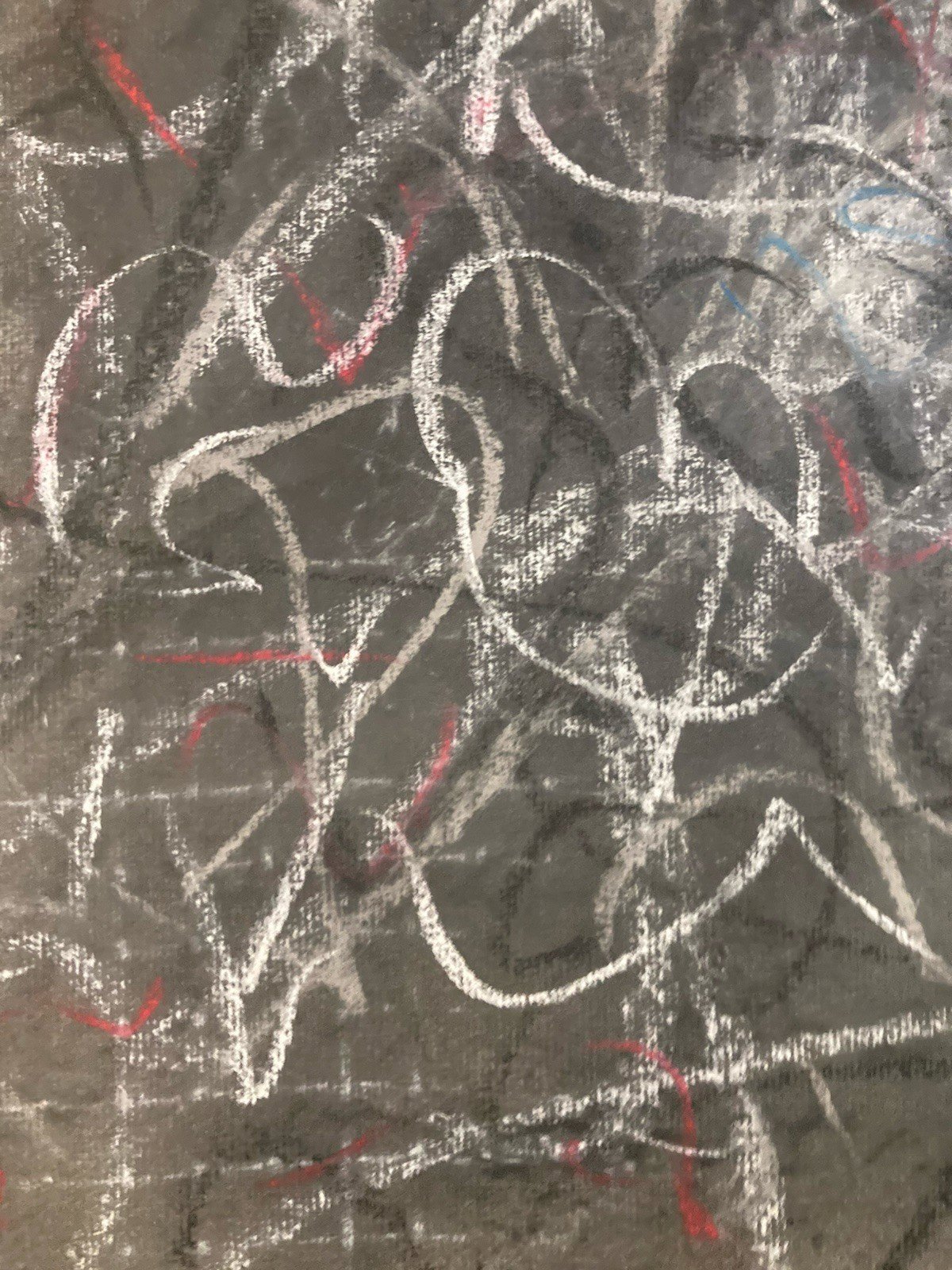
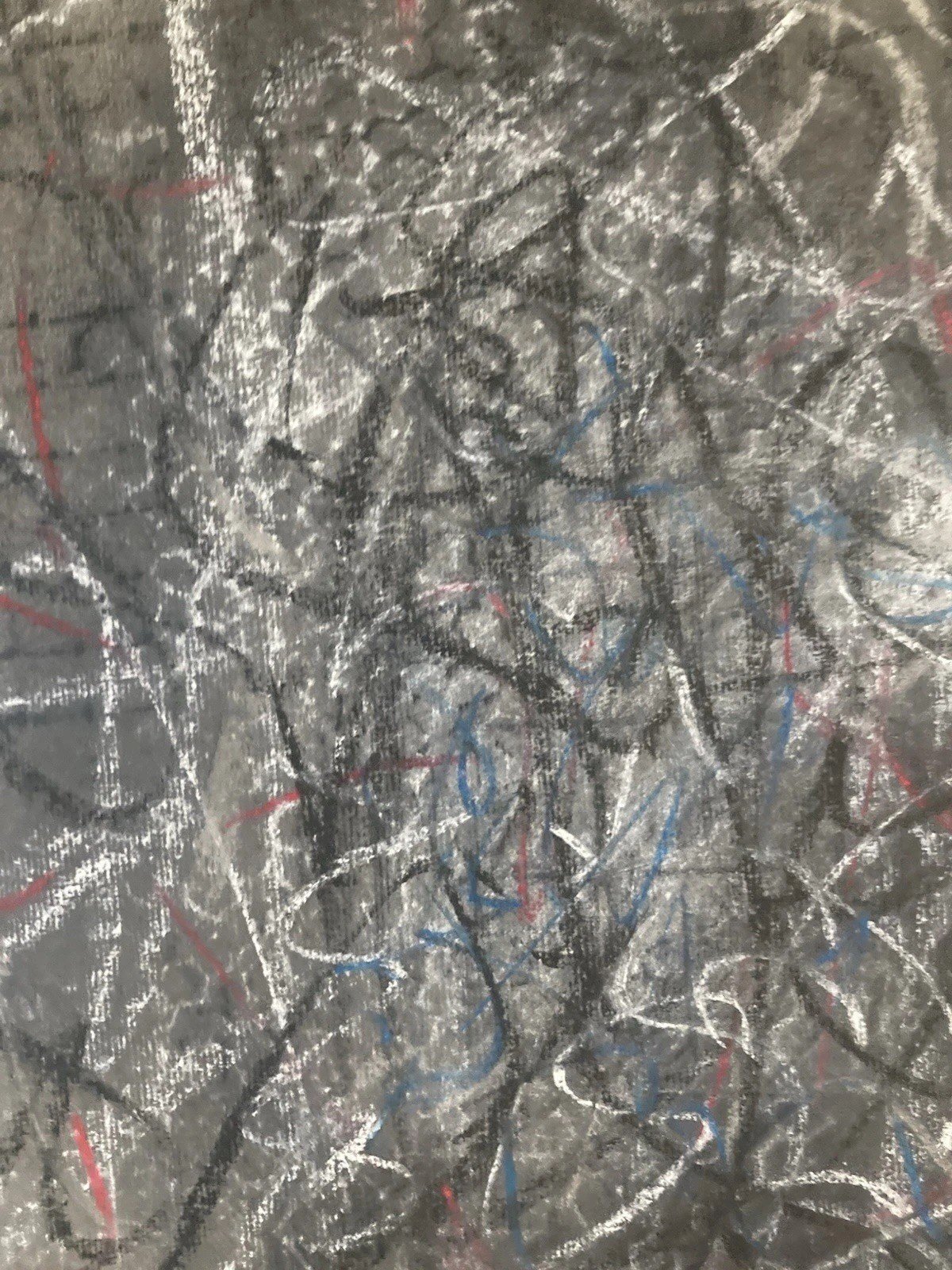
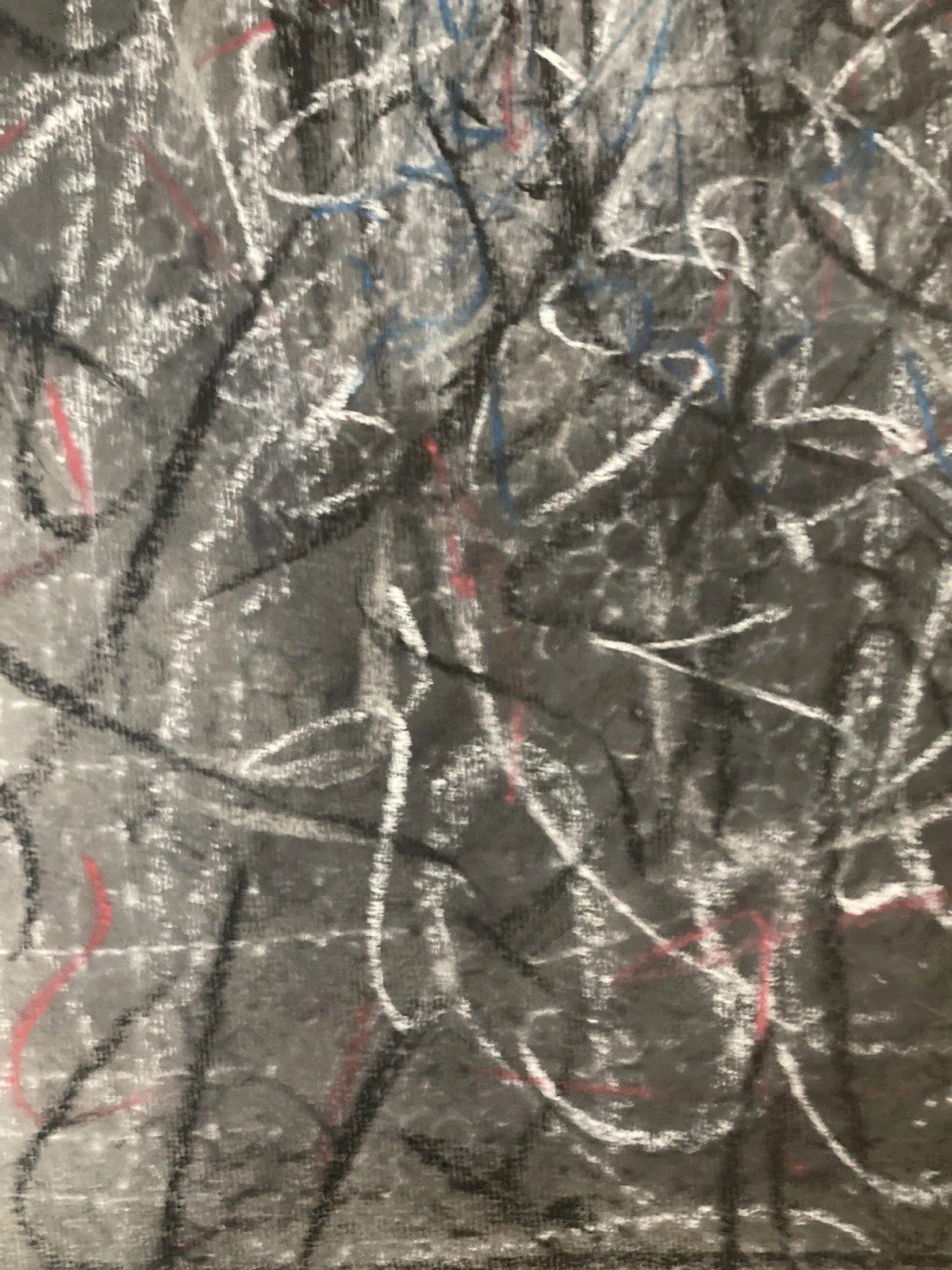
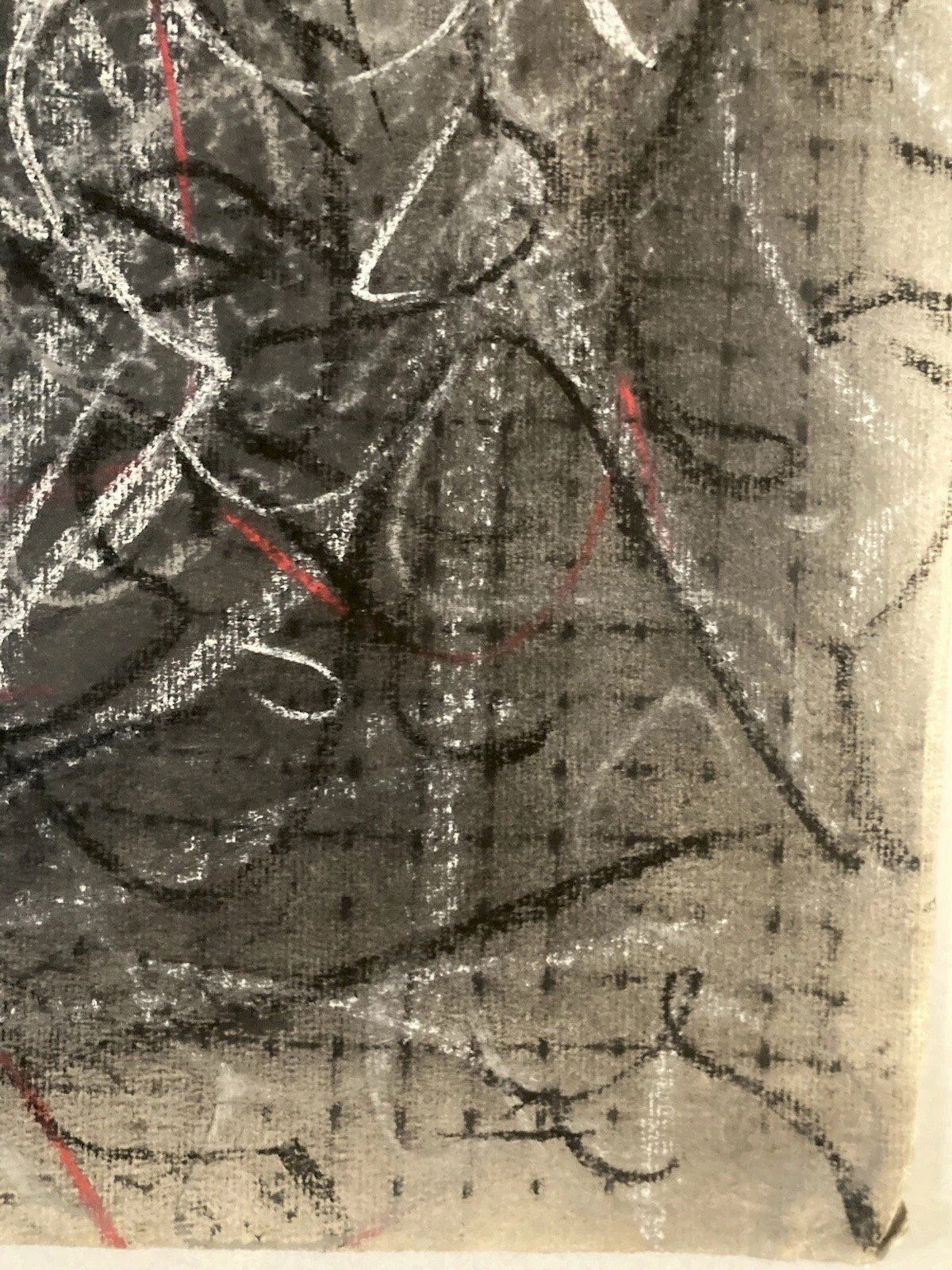
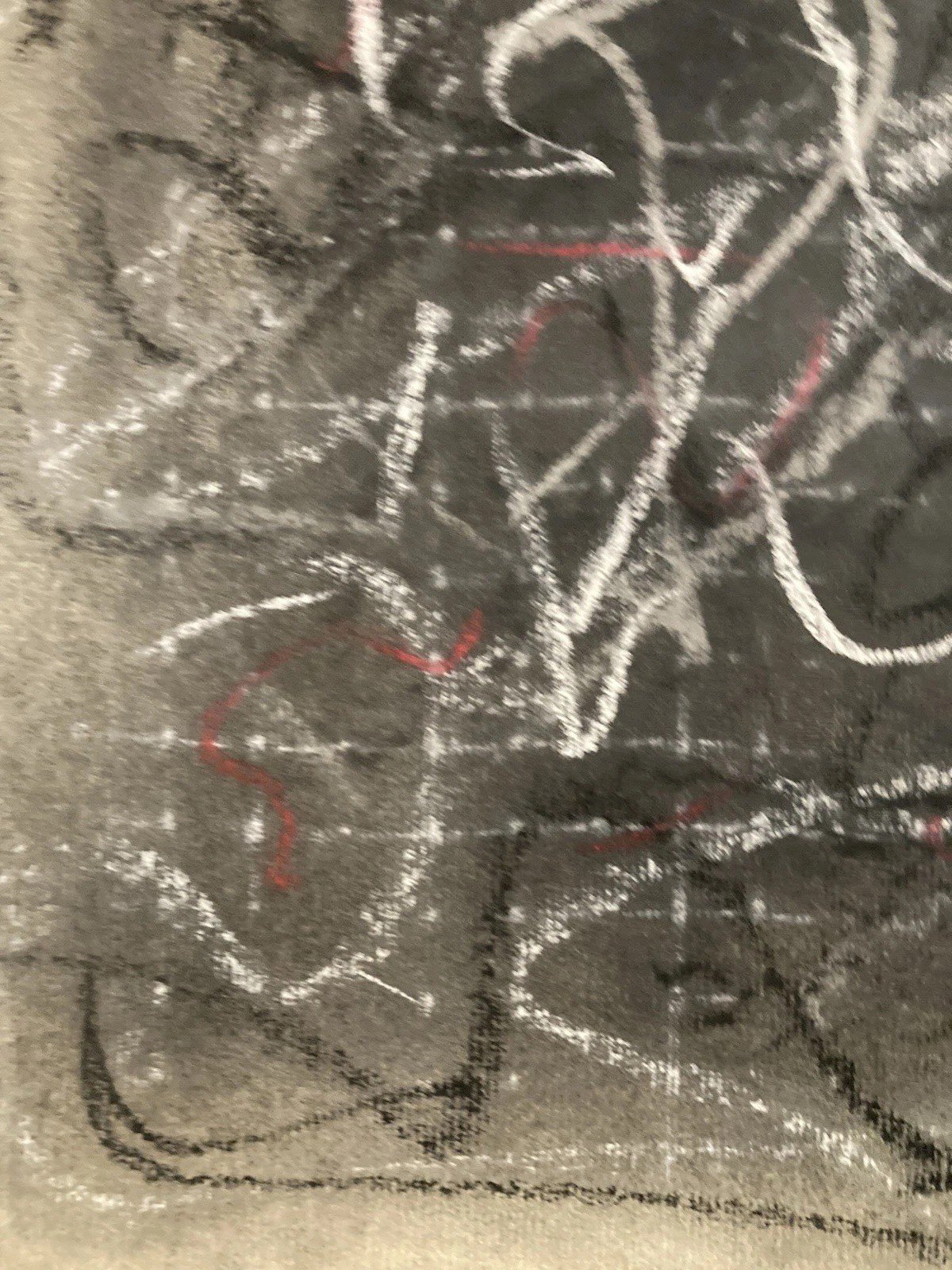
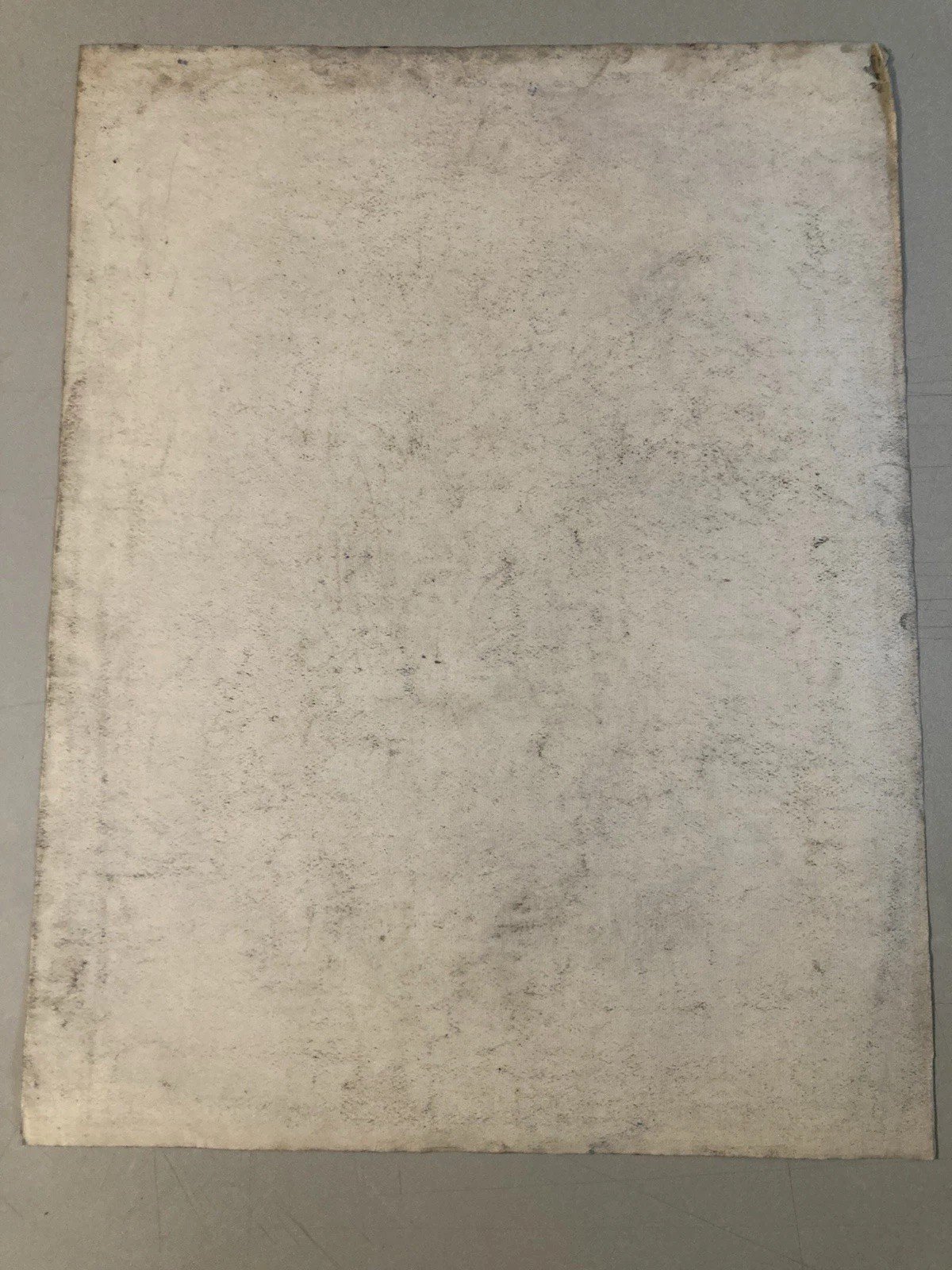
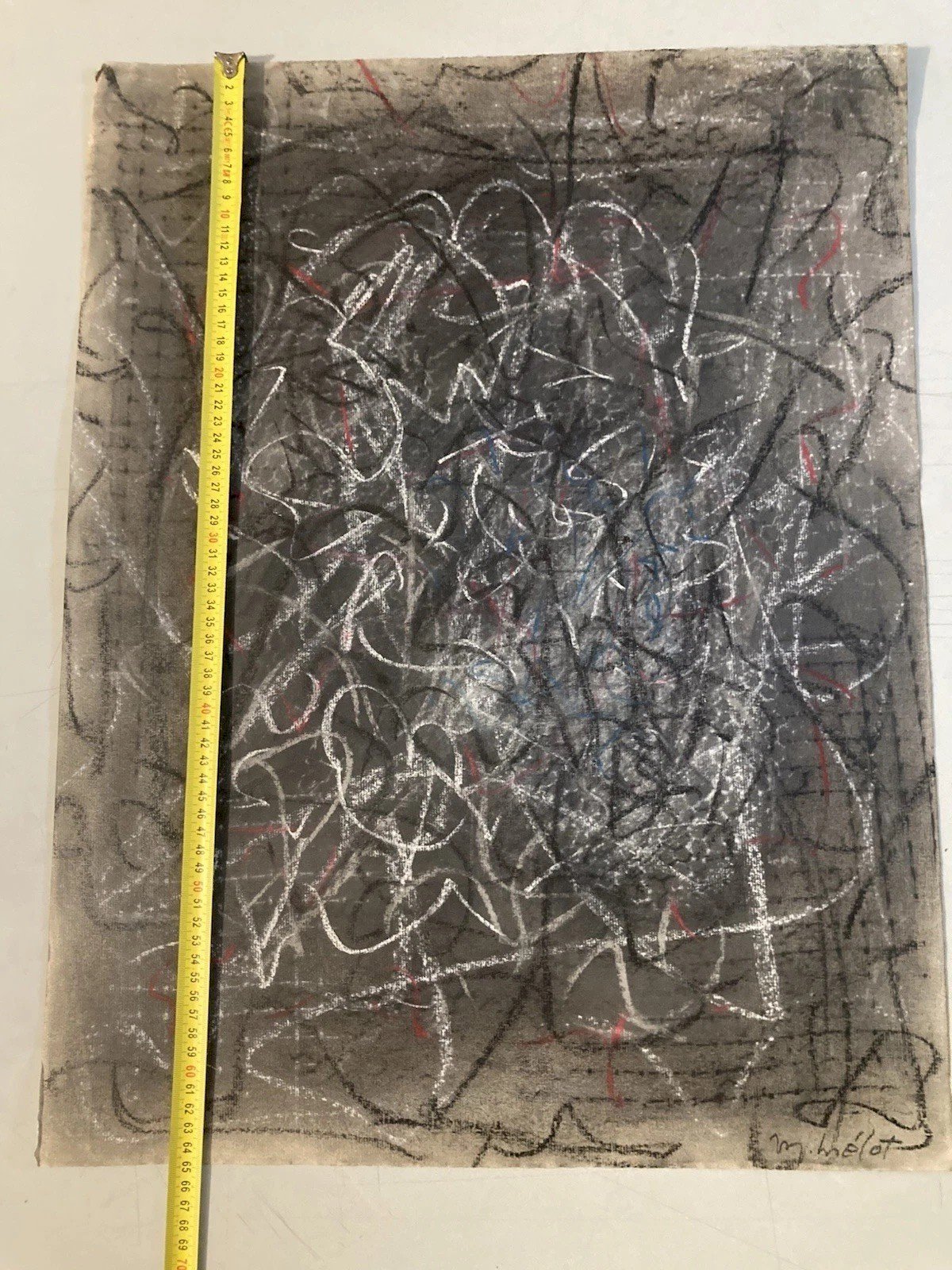
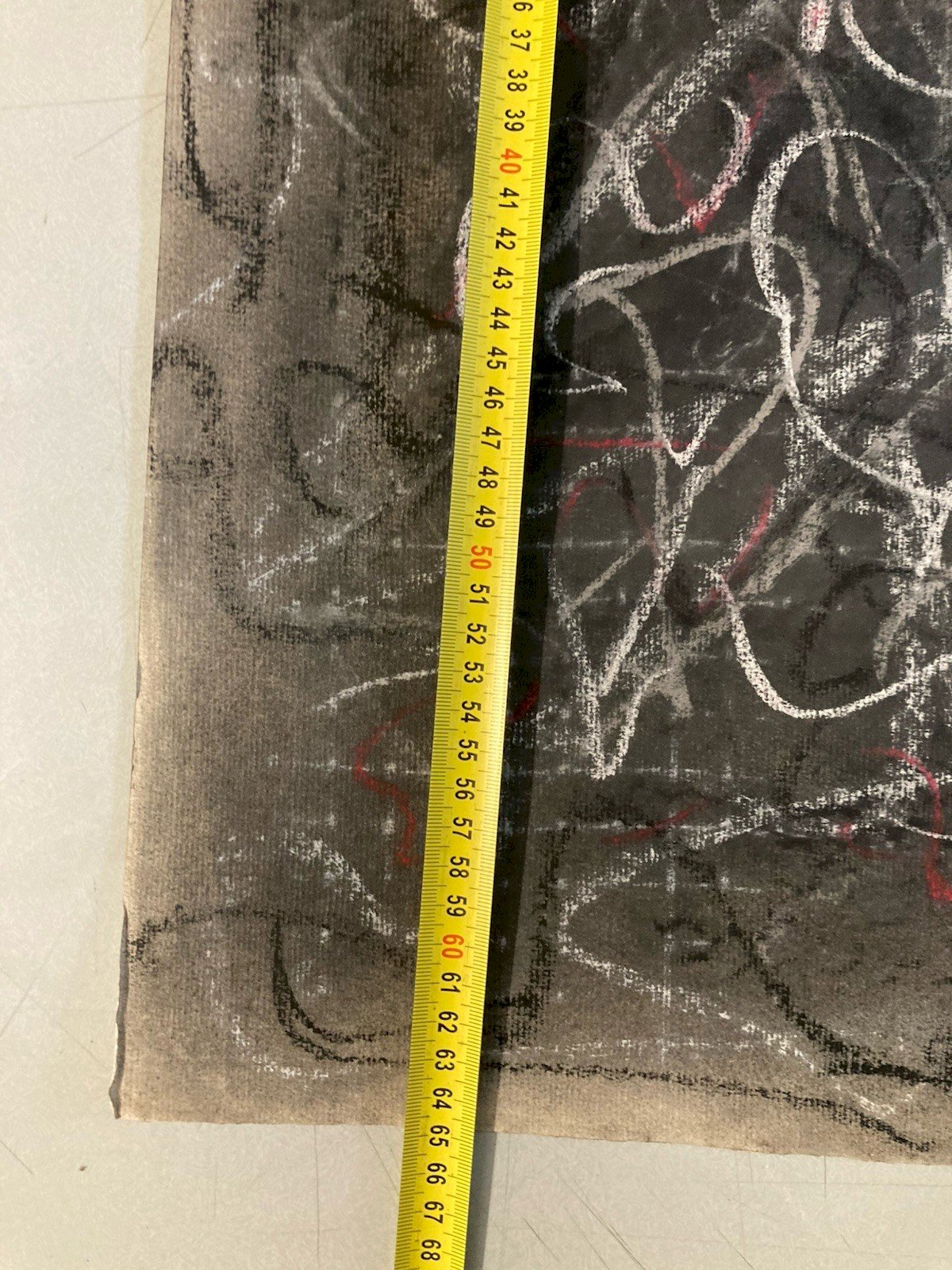
Notably, the charcoal is fixed on the paper. Born in Brussels in 1909, Marcel Mélot later settled in Maubeuge in the North of France. He began his artistic exploration from childhood, notably through drawing classes and the advice of older artists; however, he favored a solitary and introspective approach. Until the 1980s, his work oscillated between figuration and abstraction: sketches, pastels, and figurative paintings coexisted with more abstract painting, influenced by figures like Rouault, Nicolas de Staël, and Van Rogger. Mélot regularly exhibited in France (Maubeuge, Avignon), but also internationally — notably Stockholm and Bologna in 1986 — and received several distinctions including the Grand Prix of the city of Avignon. His work has been described as informal abstraction but with a strong grounding in sublimated figuration: his works explore the inner states of the self and the soul, with a marked use of black as a sign of reflection, punctuated by bright touches (yellow, ochre) evoking hope. ⸻✏️ Description of the work (charcoal on paper, circa 1980 — approximately 65×50 cm) Support & Dimensions • Charcoal on paper, approximate dimensions 65 × 50 cm, signed at the bottom right — typical of Mélot's medium-sized paper works from the 1980s. Composition & Colors • Dark background (dark brown black), typical of Mélot's introspective works, creating a meditative atmosphere. • Dynamic gestural strokes in white, gray, and possibly red or yellow, displaying a fluid writing, in spirals or arabesques. • Colorful elements punctuate the dominant black, creating contrast and vibration. Style & Meaning • Formal pupils: movement, rhythmic tension without explicit figurative representation. • The work evokes expressive informal abstraction, where the gesture is almost choreographic. • The absence of recognizable forms favors an emotional reading — a quest for meaning, psychic depth, confrontation of darkness and light, a constant theme in Mélot's work. Signature & Period • The signature at the bottom right corresponds to his usual practices at the end of his life: sober, discreet, focused on gesture and material rather than on displaying identity. • The 1980s period corresponds to his intense abstraction phase ("mops," "grids," broken heads…) described in his biography. ? Additional analysis • The work can be read as a visual metaphor for human inwardness: the interlocking lines evoke internal tension, questioning, or an emotional flow. • The constraint of the inner frame (structured edge) could suggest a desire to contain this flow of energy, characteristic of Mélot's approach. • The charcoal, used with little fixative, expresses a living fragility: each stroke seems uncertain, ready to disappear — an ephemeral dimension that aligns with the expression of the soul in transformation.
Réf :
#405202
Related Products





Comments
Drawing Charcoal Painter Art Marcel Melot Abstraction Expressionism Abstract 1980
235€
31500 Toulouse
Ce site contient des liens d’affiliation pour lesquels je peux recevoir une compensation.
Description
Notably, the charcoal is fixed on the paper. Born in Brussels in 1909, Marcel Mélot later settled in Maubeuge in the North of France. He began his artistic exploration from childhood, notably through drawing classes and the advice of older artists; however, he favored a solitary and introspective approach. Until the 1980s, his work oscillated between figuration and abstraction: sketches, pastels, and figurative paintings coexisted with more abstract painting, influenced by figures like Rouault, Nicolas de Staël, and Van Rogger. Mélot regularly exhibited in France (Maubeuge, Avignon), but also internationally — notably Stockholm and Bologna in 1986 — and received several distinctions including the Grand Prix of the city of Avignon. His work has been described as informal abstraction but with a strong grounding in sublimated figuration: his works explore the inner states of the self and the soul, with a marked use of black as a sign of reflection, punctuated by bright touches (yellow, ochre) evoking hope. ⸻✏️ Description of the work (charcoal on paper, circa 1980 — approximately 65×50 cm) Support & Dimensions • Charcoal on paper, approximate dimensions 65 × 50 cm, signed at the bottom right — typical of Mélot's medium-sized paper works from the 1980s. Composition & Colors • Dark background (dark brown black), typical of Mélot's introspective works, creating a meditative atmosphere. • Dynamic gestural strokes in white, gray, and possibly red or yellow, displaying a fluid writing, in spirals or arabesques. • Colorful elements punctuate the dominant black, creating contrast and vibration. Style & Meaning • Formal pupils: movement, rhythmic tension without explicit figurative representation. • The work evokes expressive informal abstraction, where the gesture is almost choreographic. • The absence of recognizable forms favors an emotional reading — a quest for meaning, psychic depth, confrontation of darkness and light, a constant theme in Mélot's work. Signature & Period • The signature at the bottom right corresponds to his usual practices at the end of his life: sober, discreet, focused on gesture and material rather than on displaying identity. • The 1980s period corresponds to his intense abstraction phase ("mops," "grids," broken heads…) described in his biography. ? Additional analysis • The work can be read as a visual metaphor for human inwardness: the interlocking lines evoke internal tension, questioning, or an emotional flow. • The constraint of the inner frame (structured edge) could suggest a desire to contain this flow of energy, characteristic of Mélot's approach. • The charcoal, used with little fixative, expresses a living fragility: each stroke seems uncertain, ready to disappear — an ephemeral dimension that aligns with the expression of the soul in transformation.
Réf :
#405202