English
  Français

Description
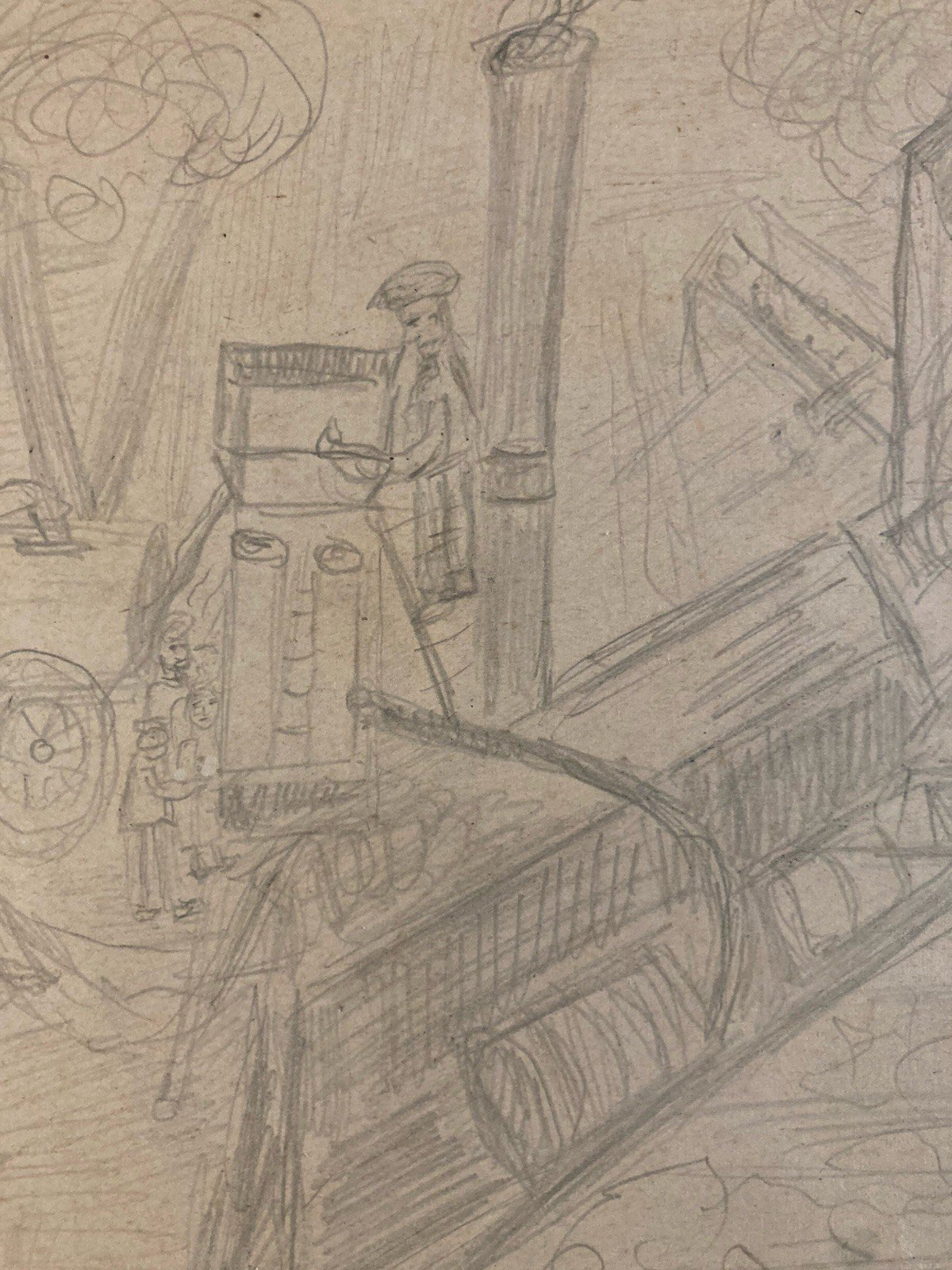
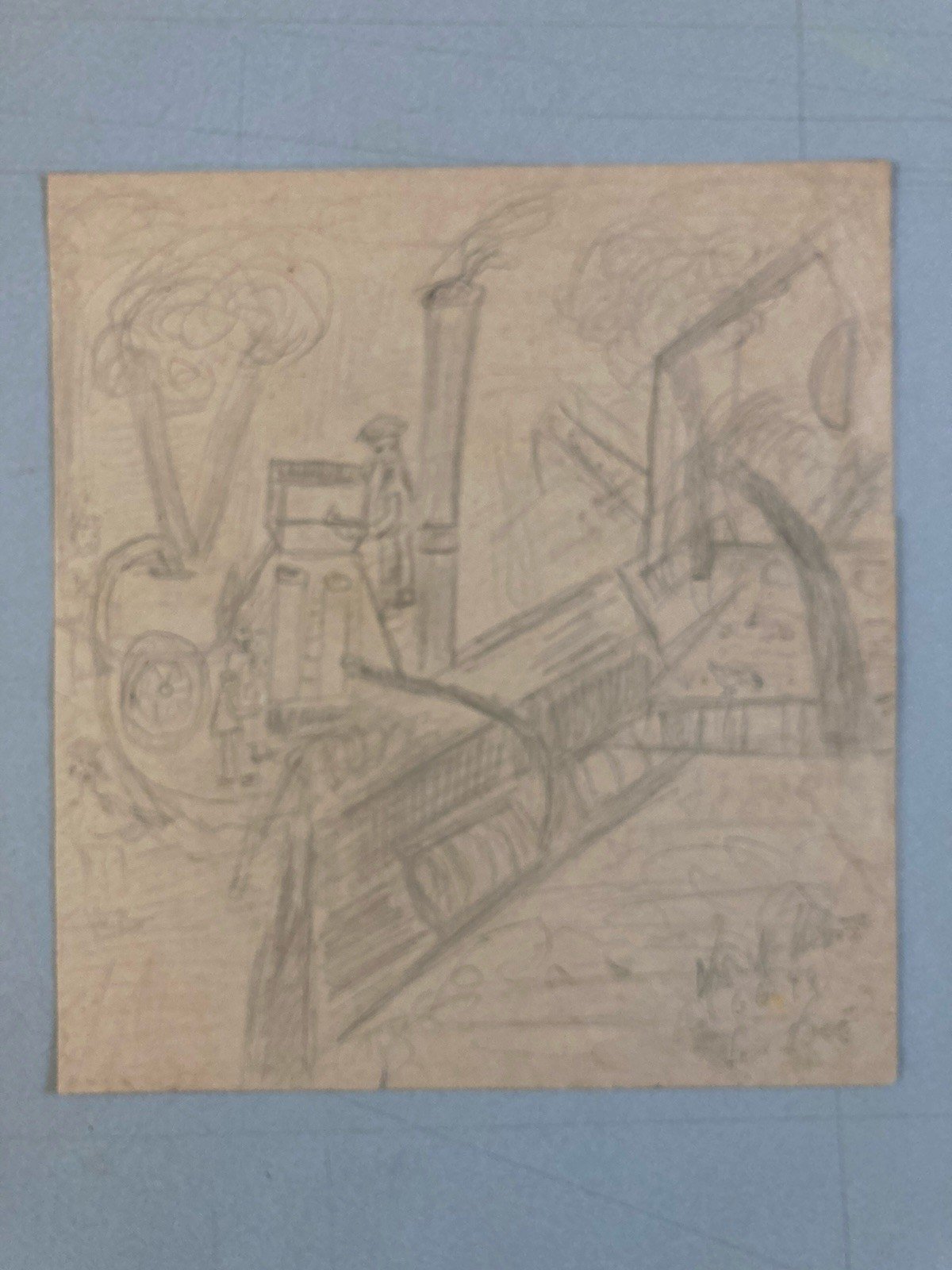
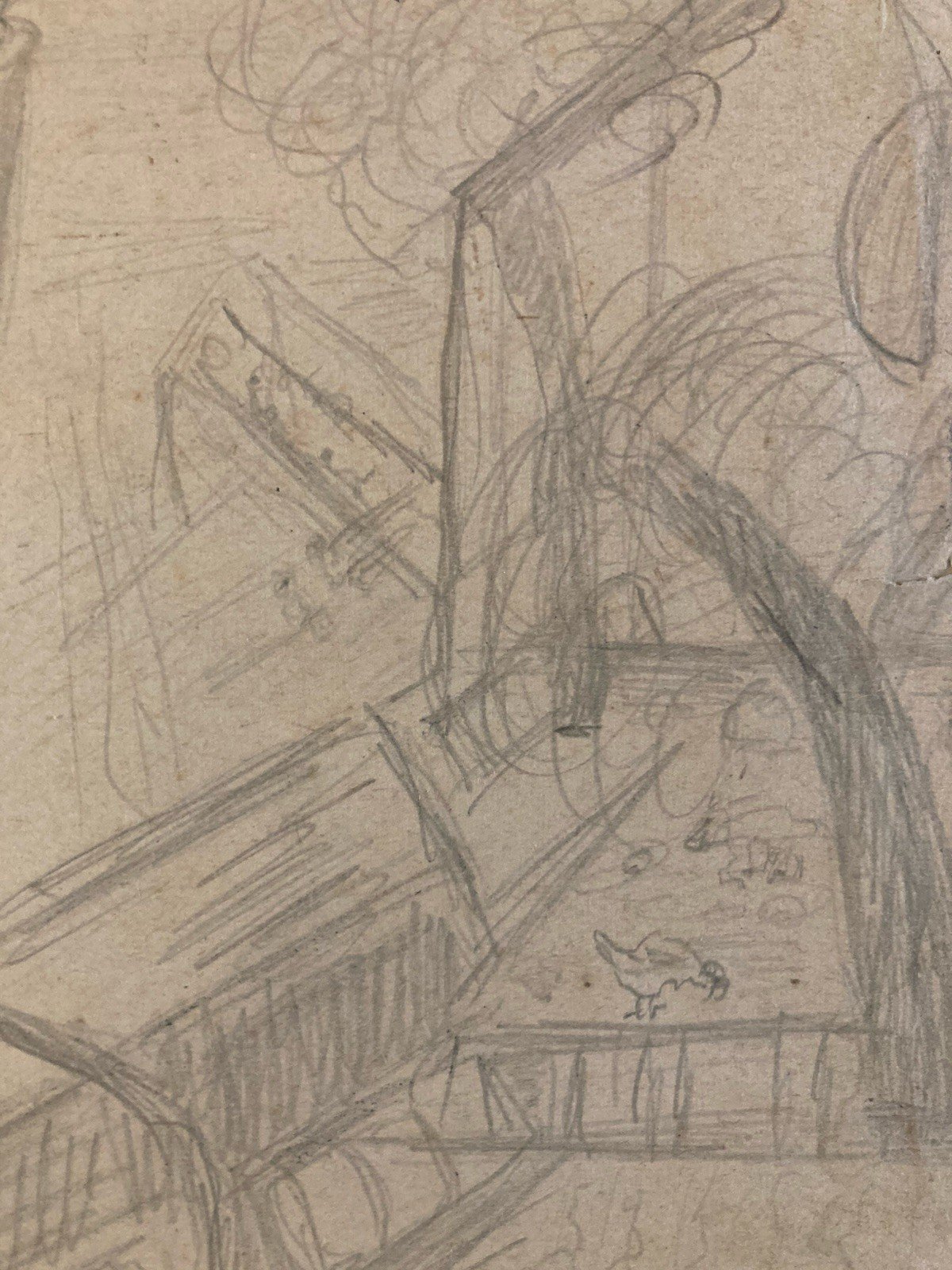
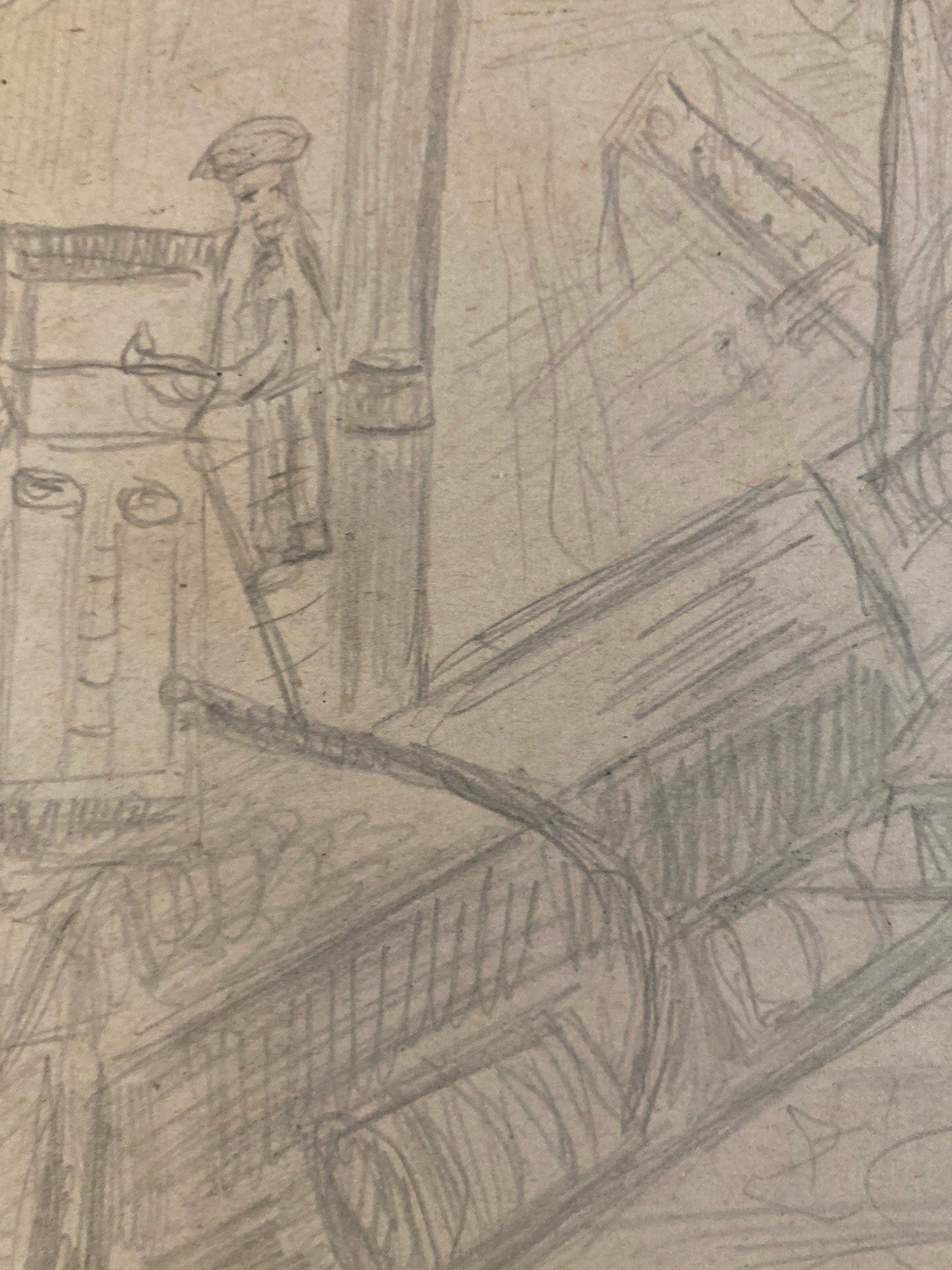
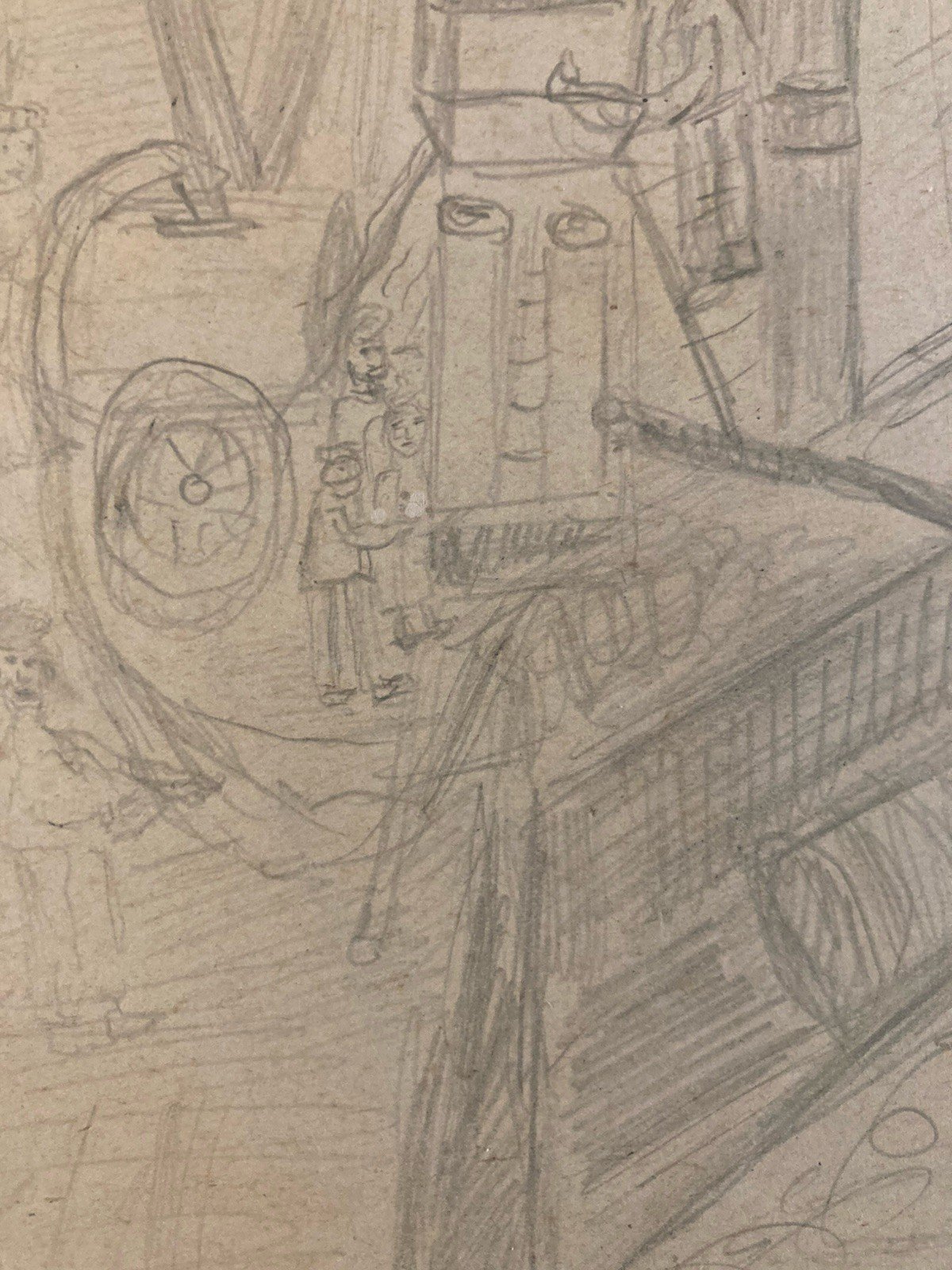
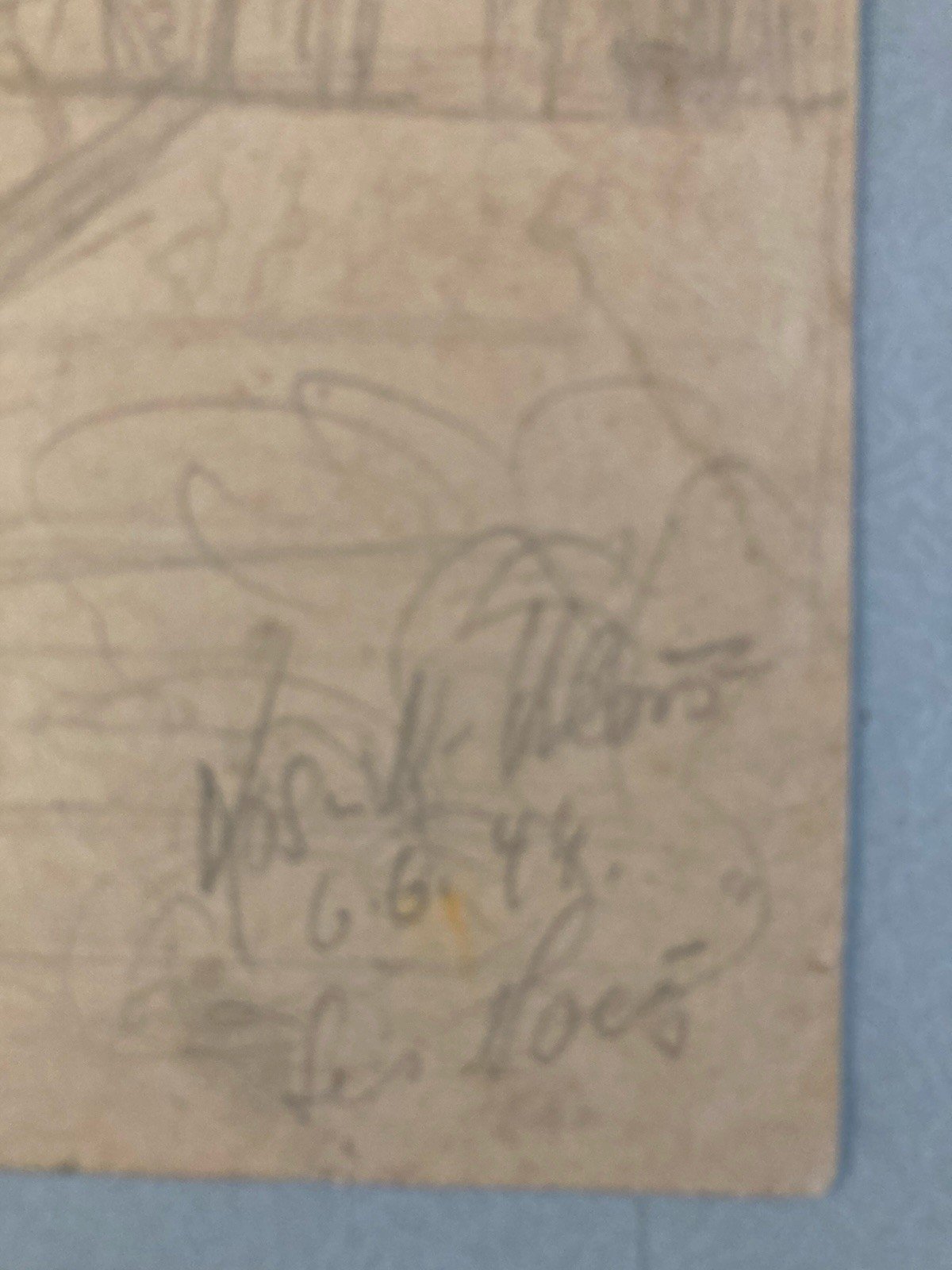
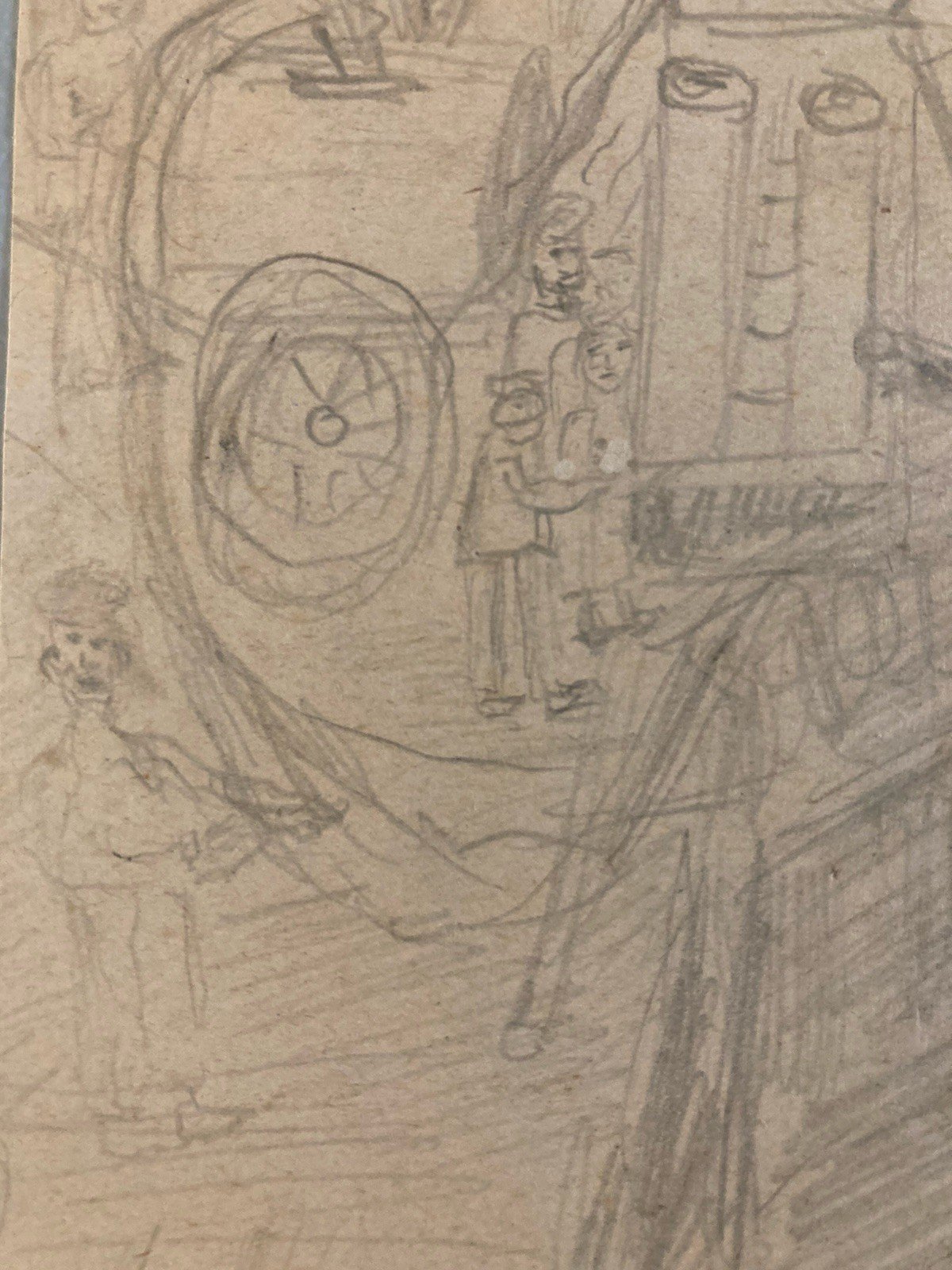
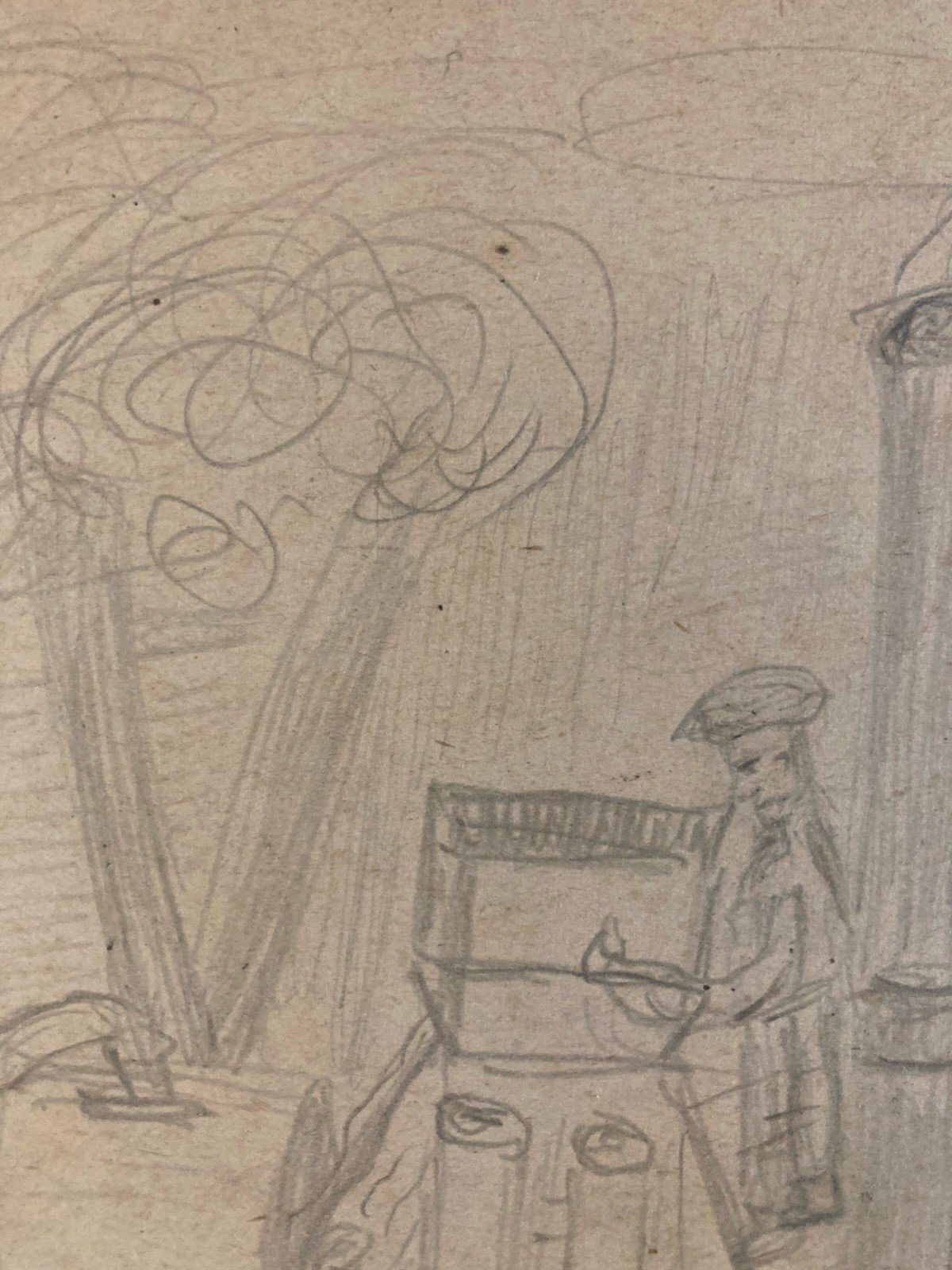
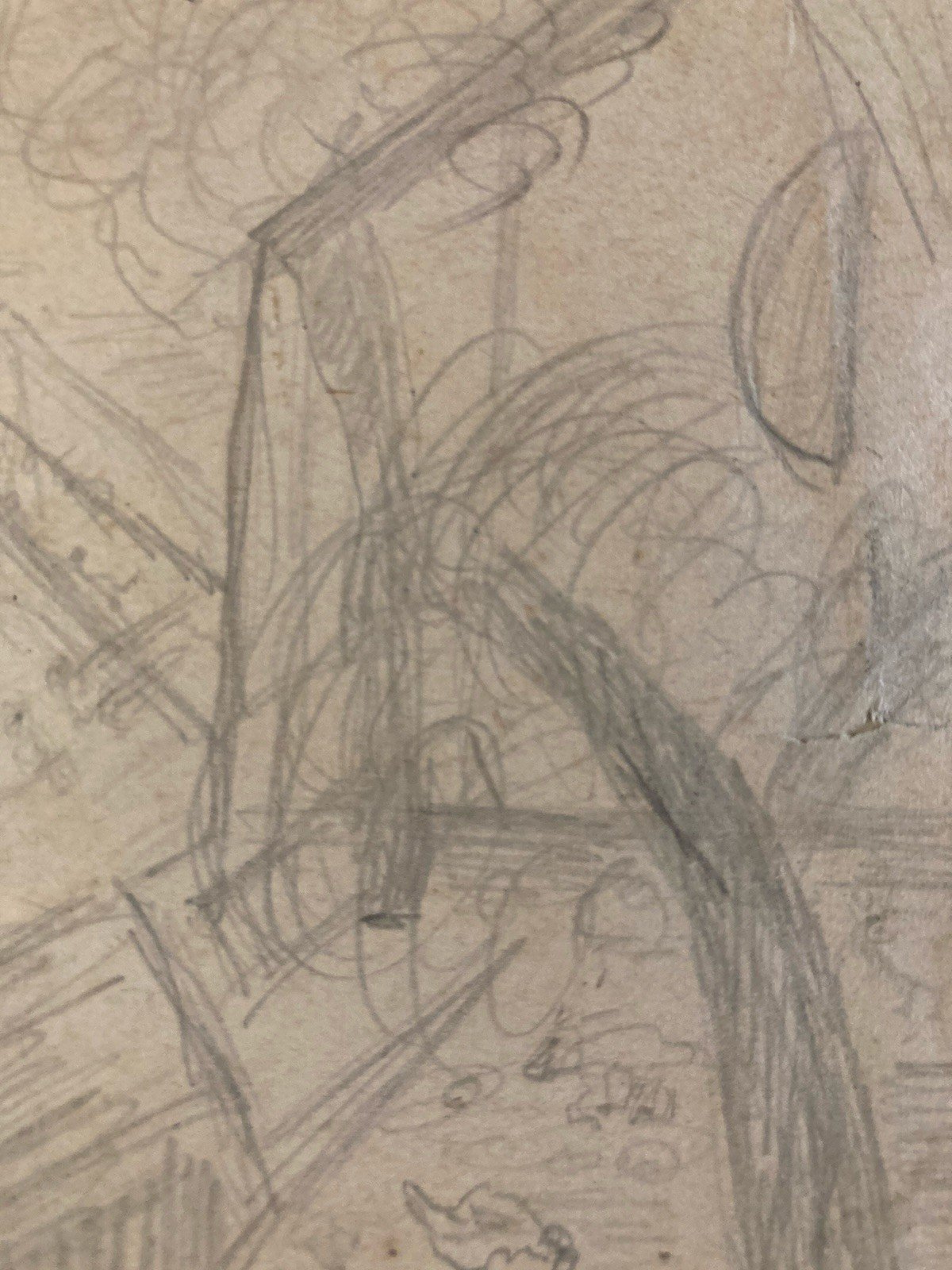
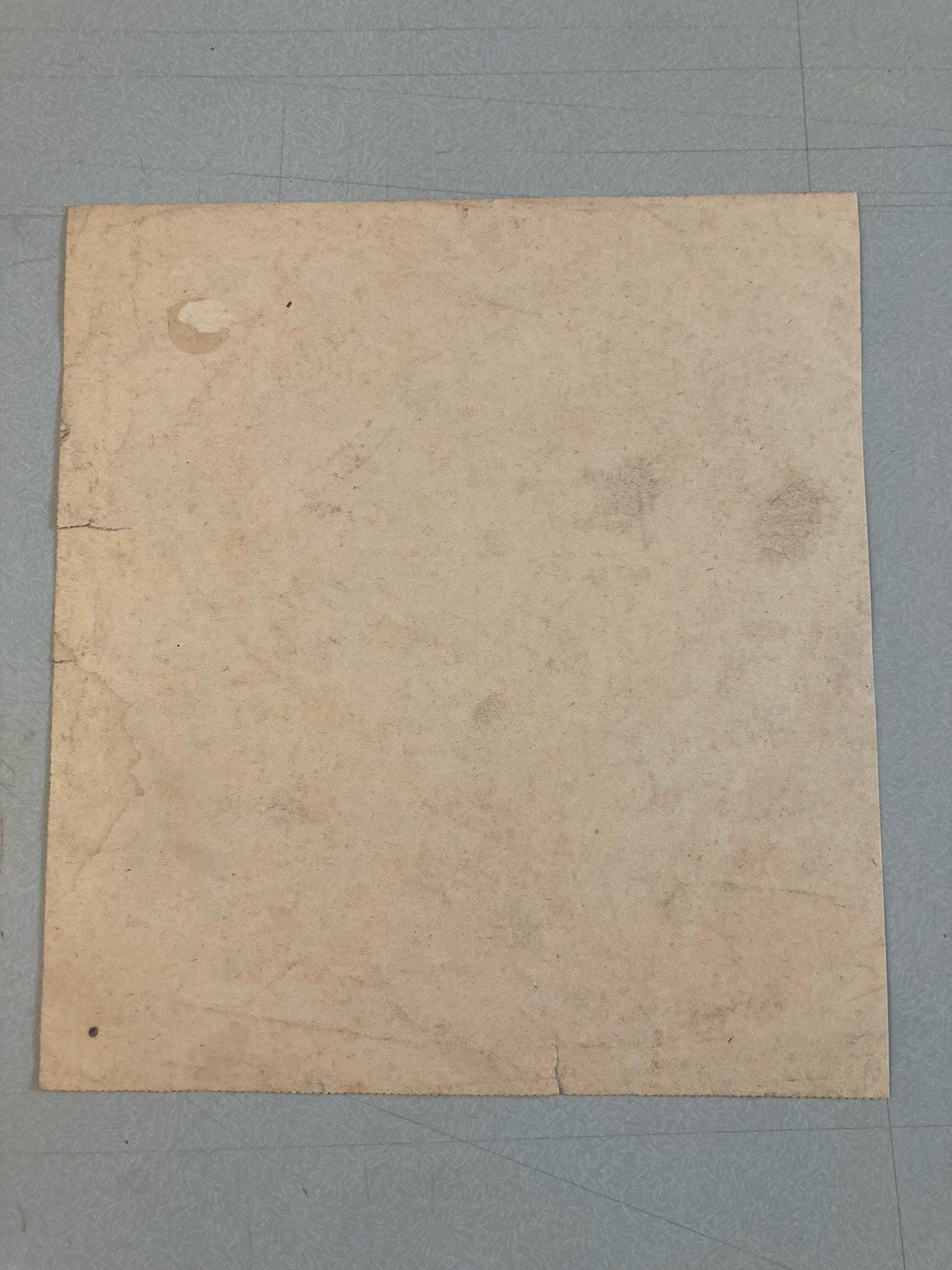
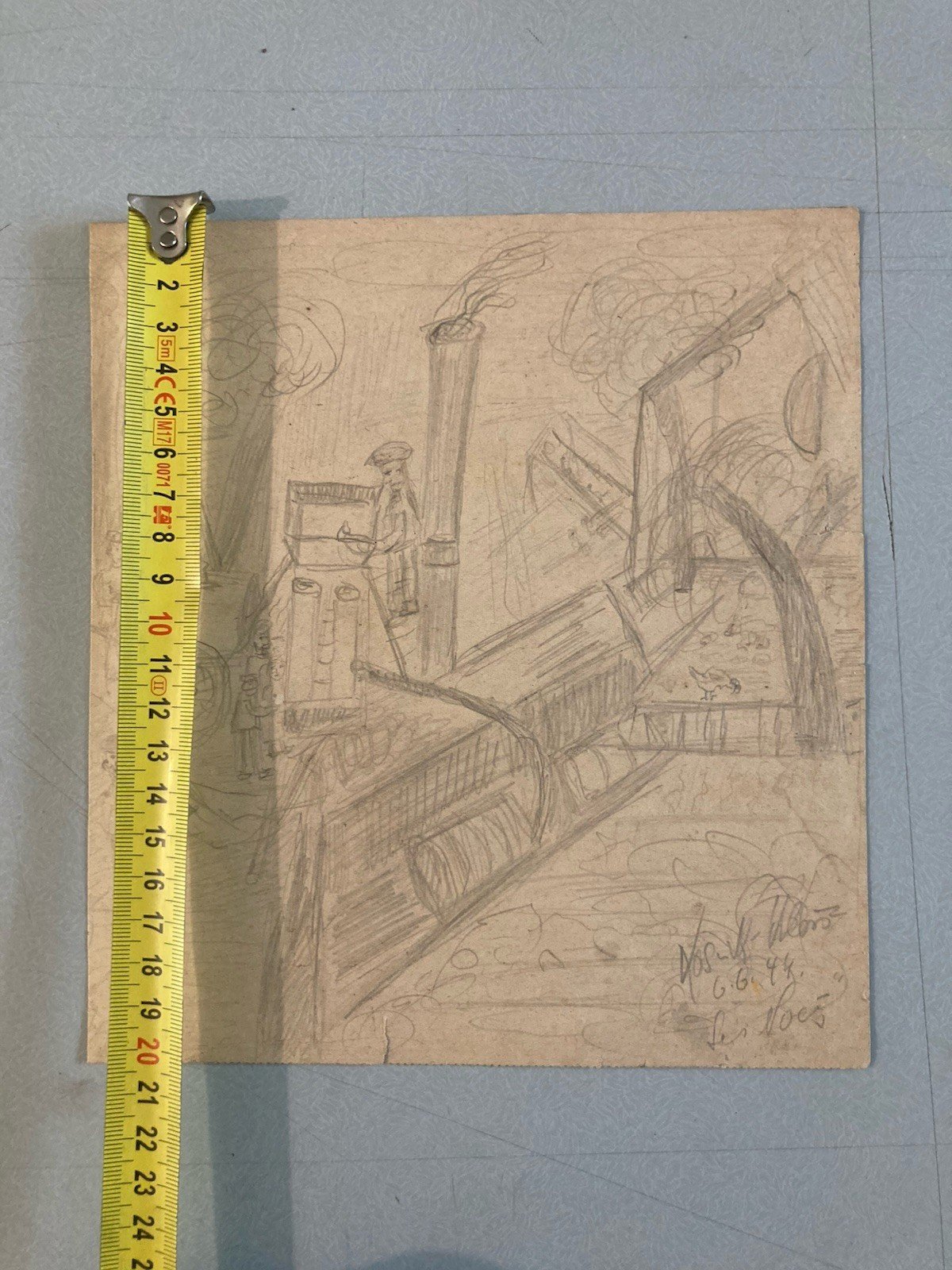
Good general condition, see photoDrawing, in pencil on paper signed at the bottom rightThis work comes from a part of the studio's collection that was in a carton labeled Drawing, see attached photo of others, works are available in my shop of 1930s abstractions and drawings from the Art Brut period⸻Biography of Jeanne Kosnick-Kloss (1892 – after 1966)Jeanne Kosnick-Kloss, born in 1892, is a Franco-German artist whose work spans several major currents of modern art: abstraction, engaged art, and a freer vein, close to Art Brut, in the last decades of her life. She is also known for her artistic and personal collaboration with Otto Freundlich, a major figure in spiritual abstraction.⸻? Training and early yearsFew details are known about her initial training, but she was active as early as the 1920s in Paris. She frequented avant-garde circles, where she met Otto Freundlich, a sculptor and theorist of abstraction of German origin, with whom she shared her life and studio. She became an essential collaborator of Freundlich, participating in his work and sharing his ideas on the universality of art and the spirituality of forms.⸻? Abstract period (1920s-1930s)In the 1930s, Kosnick-Kloss developed a rhythmic geometric abstraction, influenced by constructivism, orphism (from Robert and Sonia Delaunay), and color theories. She produced gouaches and drawings where the circle and the spiral dominate, evoking cosmic harmony.She was in contact with Sonia Delaunay, with whom she shared a colorist sensitivity and an interest in the integration of art into everyday life (clothing, textiles, objects). Although less known, Kosnick-Kloss participated in this female ecosystem of abstraction, often overshadowed by official history.⸻? Political engagement and exileWith the rise of Nazism, Kosnick-Kloss and Freundlich exiled themselves to the south of France. Otto Freundlich, of Jewish origin and considered by the Nazis as a representative of "degenerate art," was arrested in 1943 and deported to Majdanek, where he was murdered. Jeanne survived the war and preserved the legacy of their joint work.Her post-war work, freer and more intuitive, seems marked by this trauma.⸻? Art Brut / free expression period (1950s-1960s)In the 1950s-60s, Jeanne Kosnick-Kloss adopted a more spontaneous plastic writing, characterized by irregular forms, primitive figures, and personal symbols. This vein likens her to Art Brut or a form of naive expressionism, in the lineage of Dubuffet.She pursued a discreet yet coherent body of work, asserting a deeply personal aesthetic, on the fringes of dominant currents.⸻Heritage and recognitionJeanne Kosnick-Kloss remains today an unknown yet significant figure in European abstraction. Her work is inseparable from that of Otto Freundlich, of whom she was the artistic partner and the guardian of his memory after the war. She continues to be rediscovered through exhibitions dedicated to Freundlich or to female abstraction.
Réf :
#405109
Related Products





Comments
Crayon On Paper 1944 Jeanne Kosnick Kloss Art Brut Closed Farmer Tractor
385€
31500 Toulouse
Ce site contient des liens d’affiliation pour lesquels je peux recevoir une compensation.
Description
Good general condition, see photoDrawing, in pencil on paper signed at the bottom rightThis work comes from a part of the studio's collection that was in a carton labeled Drawing, see attached photo of others, works are available in my shop of 1930s abstractions and drawings from the Art Brut period⸻Biography of Jeanne Kosnick-Kloss (1892 – after 1966)Jeanne Kosnick-Kloss, born in 1892, is a Franco-German artist whose work spans several major currents of modern art: abstraction, engaged art, and a freer vein, close to Art Brut, in the last decades of her life. She is also known for her artistic and personal collaboration with Otto Freundlich, a major figure in spiritual abstraction.⸻? Training and early yearsFew details are known about her initial training, but she was active as early as the 1920s in Paris. She frequented avant-garde circles, where she met Otto Freundlich, a sculptor and theorist of abstraction of German origin, with whom she shared her life and studio. She became an essential collaborator of Freundlich, participating in his work and sharing his ideas on the universality of art and the spirituality of forms.⸻? Abstract period (1920s-1930s)In the 1930s, Kosnick-Kloss developed a rhythmic geometric abstraction, influenced by constructivism, orphism (from Robert and Sonia Delaunay), and color theories. She produced gouaches and drawings where the circle and the spiral dominate, evoking cosmic harmony.She was in contact with Sonia Delaunay, with whom she shared a colorist sensitivity and an interest in the integration of art into everyday life (clothing, textiles, objects). Although less known, Kosnick-Kloss participated in this female ecosystem of abstraction, often overshadowed by official history.⸻? Political engagement and exileWith the rise of Nazism, Kosnick-Kloss and Freundlich exiled themselves to the south of France. Otto Freundlich, of Jewish origin and considered by the Nazis as a representative of "degenerate art," was arrested in 1943 and deported to Majdanek, where he was murdered. Jeanne survived the war and preserved the legacy of their joint work.Her post-war work, freer and more intuitive, seems marked by this trauma.⸻? Art Brut / free expression period (1950s-1960s)In the 1950s-60s, Jeanne Kosnick-Kloss adopted a more spontaneous plastic writing, characterized by irregular forms, primitive figures, and personal symbols. This vein likens her to Art Brut or a form of naive expressionism, in the lineage of Dubuffet.She pursued a discreet yet coherent body of work, asserting a deeply personal aesthetic, on the fringes of dominant currents.⸻Heritage and recognitionJeanne Kosnick-Kloss remains today an unknown yet significant figure in European abstraction. Her work is inseparable from that of Otto Freundlich, of whom she was the artistic partner and the guardian of his memory after the war. She continues to be rediscovered through exhibitions dedicated to Freundlich or to female abstraction.
Réf :
#405109