 English
 Français


Description
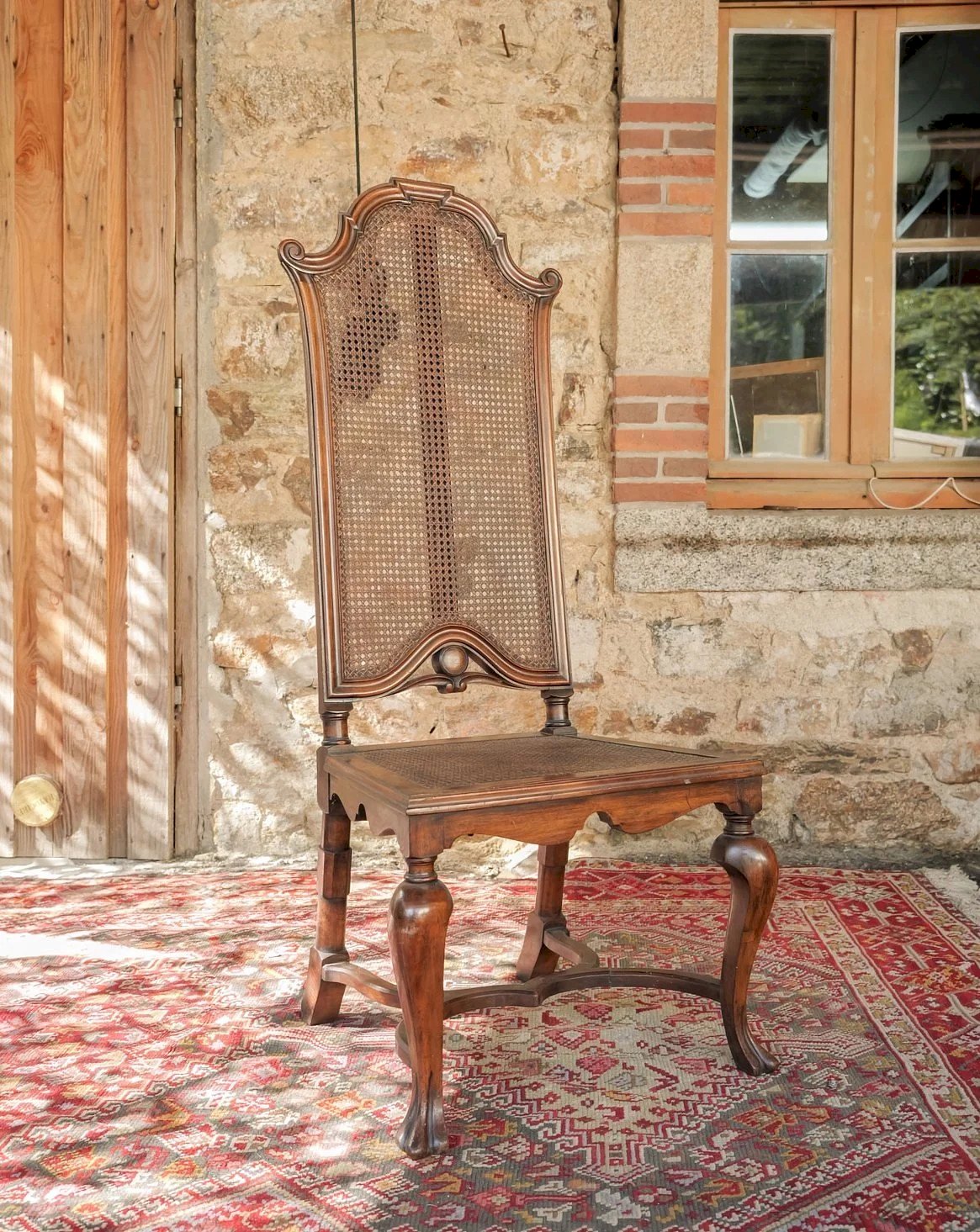
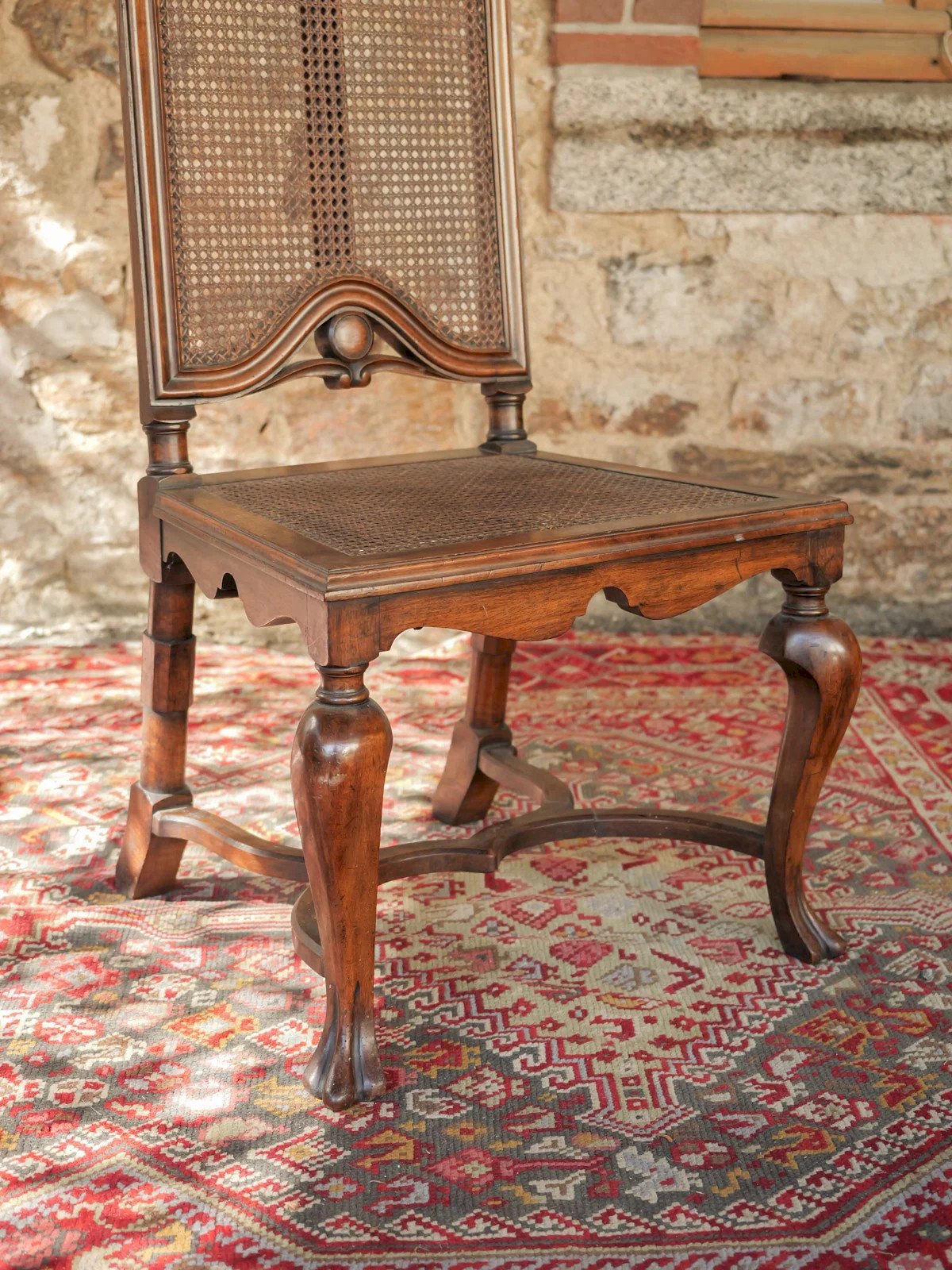
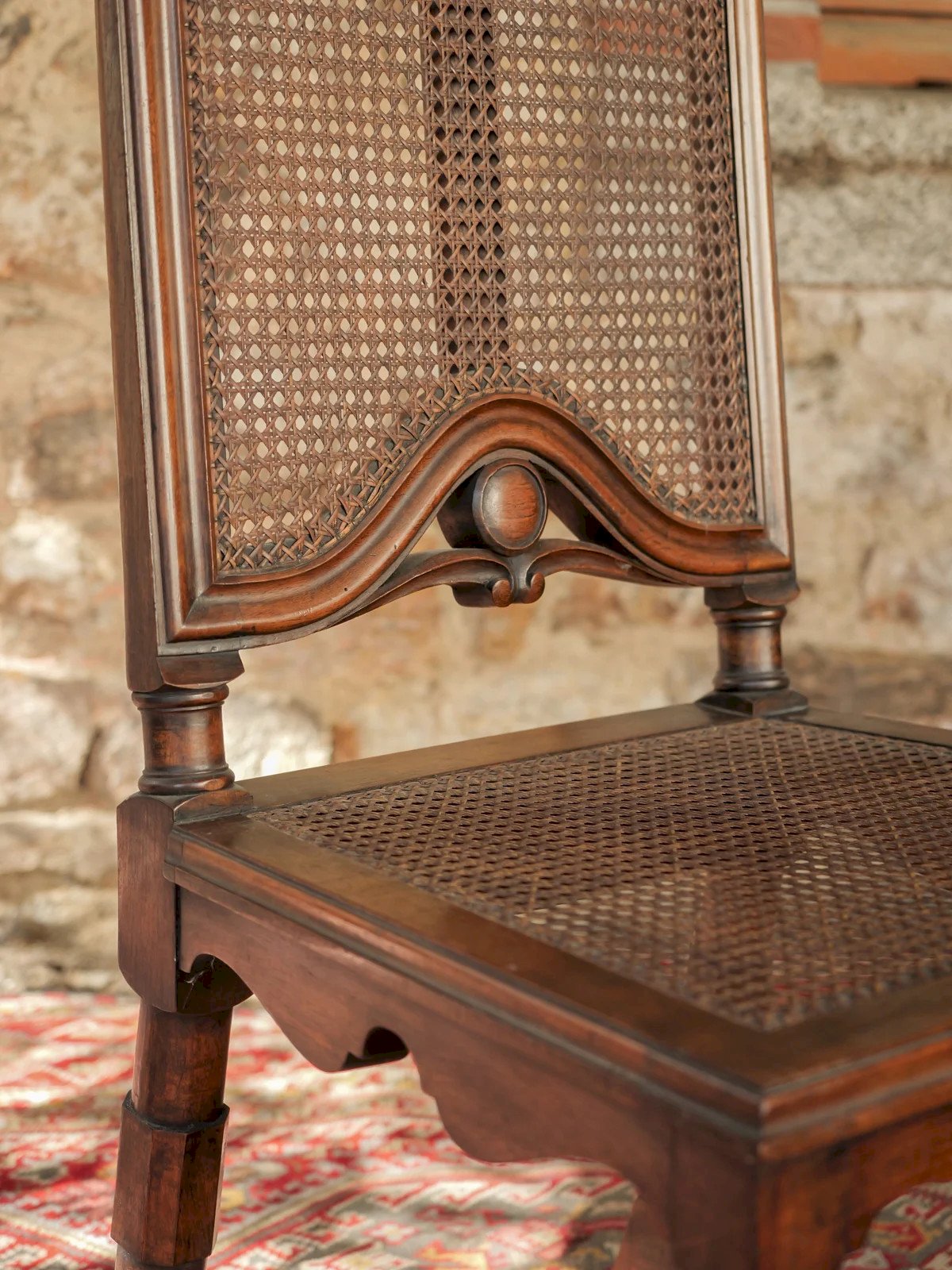
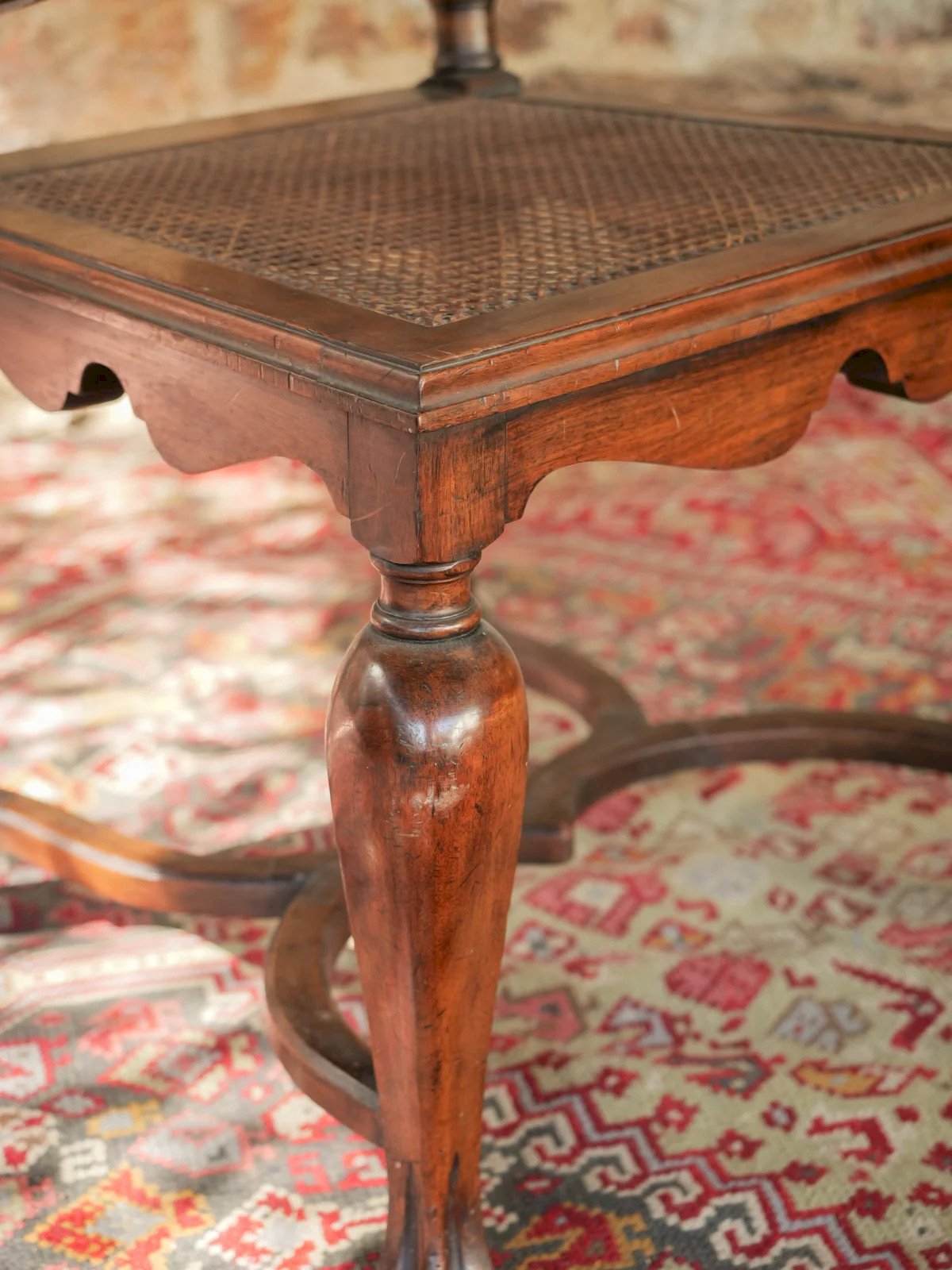
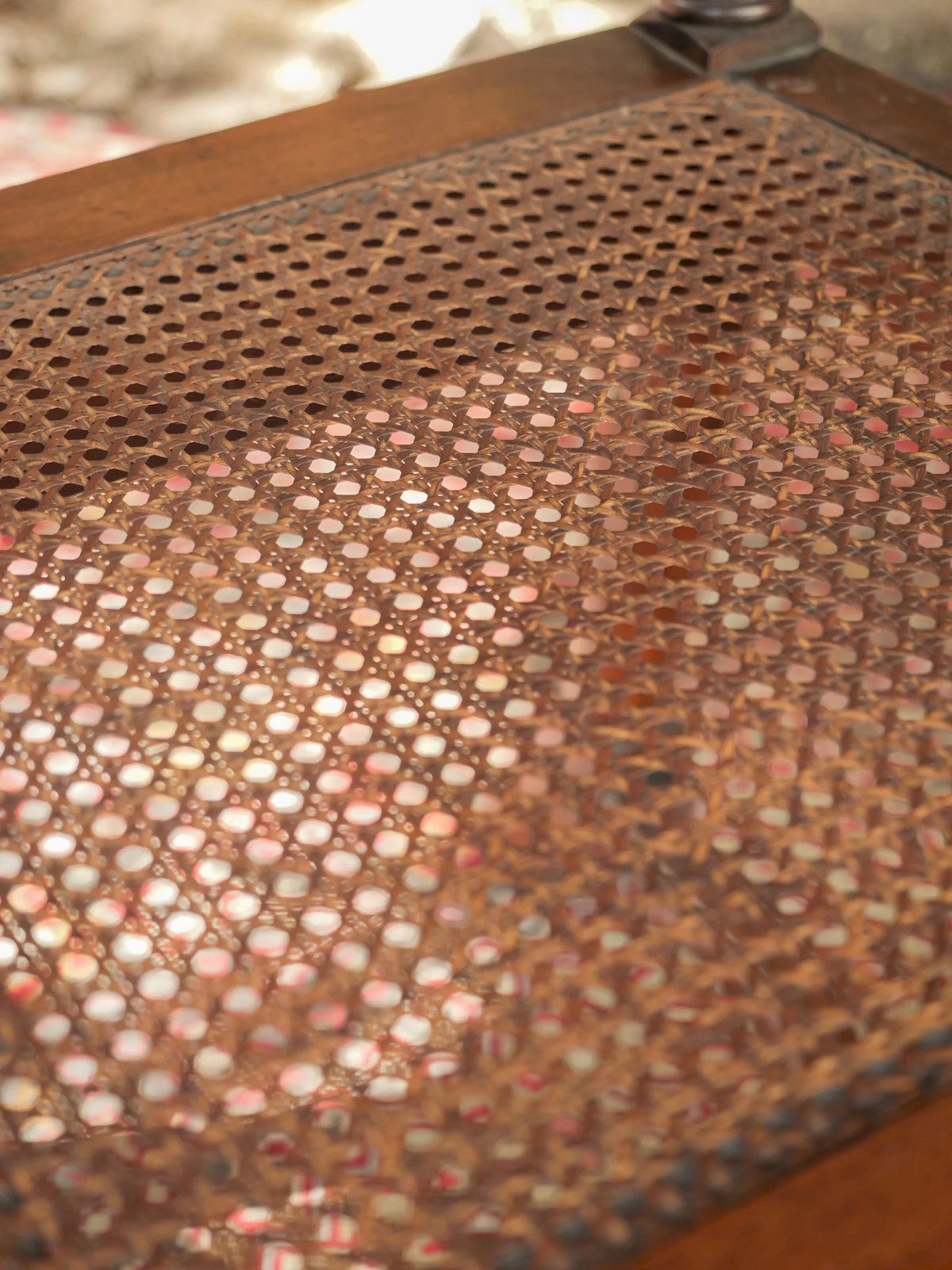
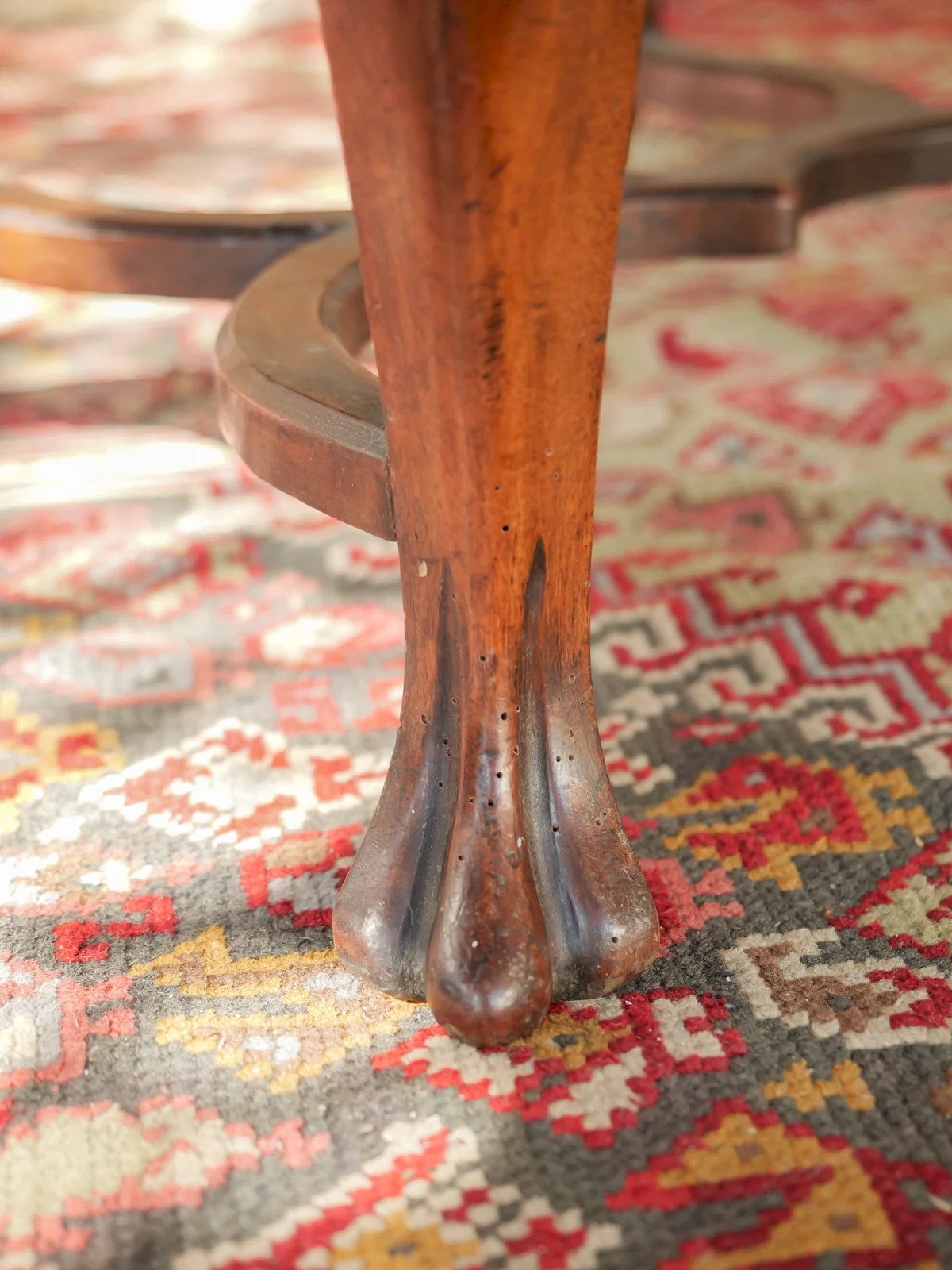
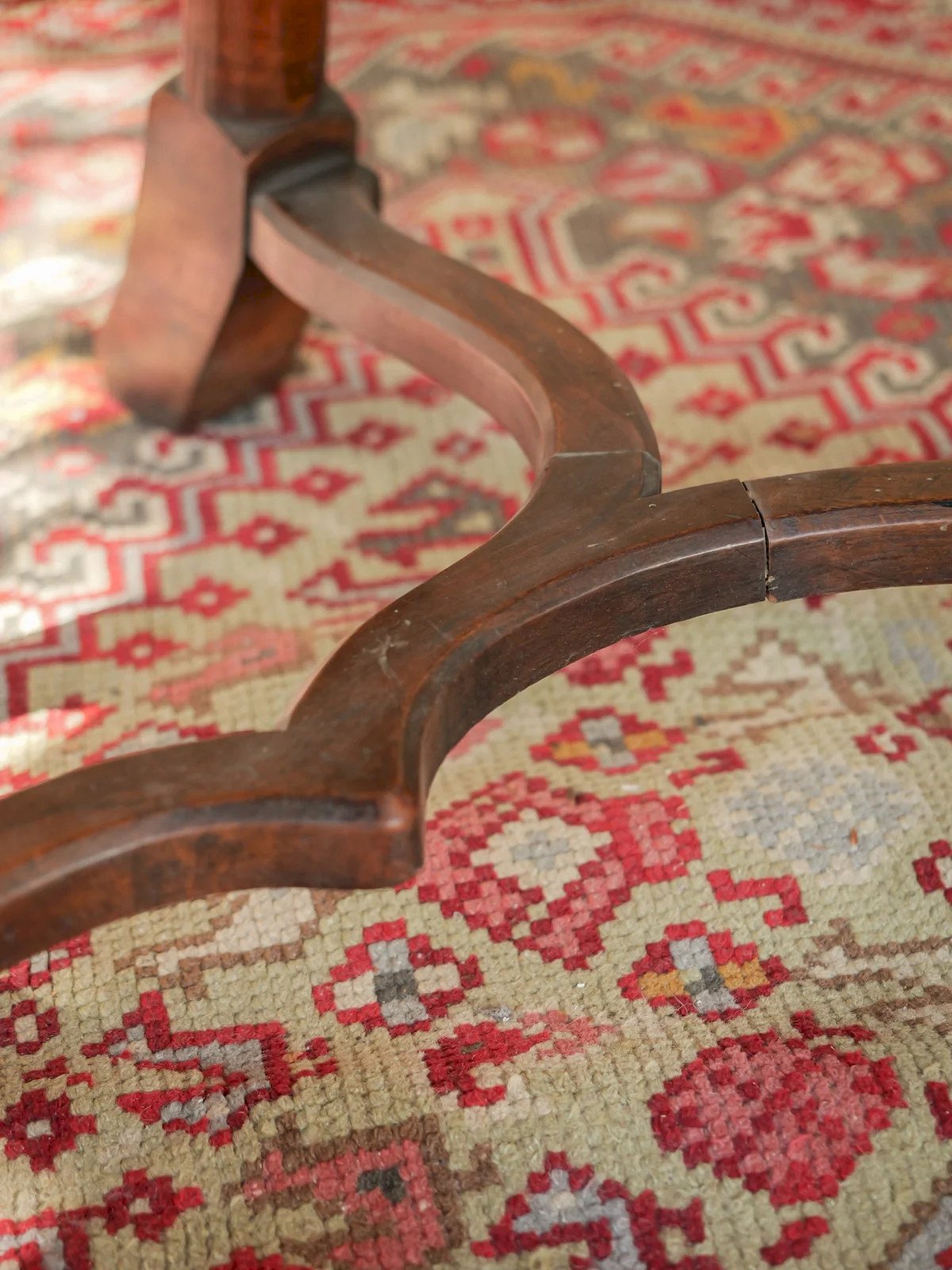
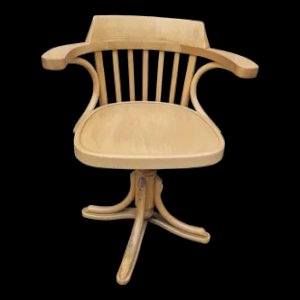
With its delicate caning and dark wood, this vintage chair exudes a very elegant rustic Italian charm. The wooden structure features an open-back design that visually lightens the entire piece, while the caned seat adds a feeling of flexibility and finesse. Its generous seat height makes it a unique piece around a dining table, in a kitchen, or a dining room, where it complements both raw wood and linen. Its tall format also allows it to add depth to a reading nook or a bedroom. Placed near a window, it can accommodate a cotton cushion and a straw hat. Length: 43 cm Width: 50 cm Depth: 39 cm Height: 130 cm Seat height: 87 cm Seat width: 50 cm Seat depth: 39 cm A Brief History of the Chair In the Middle Ages, sitting on a chair with a backrest was a rare privilege, reserved for the one leading the assembly: the "president" [from the Latin praesidere, to sit in front]. For a long time, it was a symbol of prestige compared to the benches and stools of the common people, and the chair only became democratized in the 18th century, turning into a daily object. It is distinguished from an armchair by the absence of armrests, with a structure designed to offer complete freedom of movement around a table or a desk. The result of a constant quest between lightness and solidity, it has evolved from sculpted solid wood to more modern lines, making each seat a witness to the history of comfort.
Réf :
#413848
Brand / From : Debongout
Related Products


Comments
Claude, the large Italian style chair No. 1648
389€
75002 Paris
Ce site contient des liens d’affiliation pour lesquels je peux recevoir une compensation.
Description
With its delicate caning and dark wood, this vintage chair exudes a very elegant rustic Italian charm. The wooden structure features an open-back design that visually lightens the entire piece, while the caned seat adds a feeling of flexibility and finesse. Its generous seat height makes it a unique piece around a dining table, in a kitchen, or a dining room, where it complements both raw wood and linen. Its tall format also allows it to add depth to a reading nook or a bedroom. Placed near a window, it can accommodate a cotton cushion and a straw hat. Length: 43 cm Width: 50 cm Depth: 39 cm Height: 130 cm Seat height: 87 cm Seat width: 50 cm Seat depth: 39 cm A Brief History of the Chair In the Middle Ages, sitting on a chair with a backrest was a rare privilege, reserved for the one leading the assembly: the "president" [from the Latin praesidere, to sit in front]. For a long time, it was a symbol of prestige compared to the benches and stools of the common people, and the chair only became democratized in the 18th century, turning into a daily object. It is distinguished from an armchair by the absence of armrests, with a structure designed to offer complete freedom of movement around a table or a desk. The result of a constant quest between lightness and solidity, it has evolved from sculpted solid wood to more modern lines, making each seat a witness to the history of comfort.
Réf :
#413848
Brand / From : Debongout