 English
 Français


Description
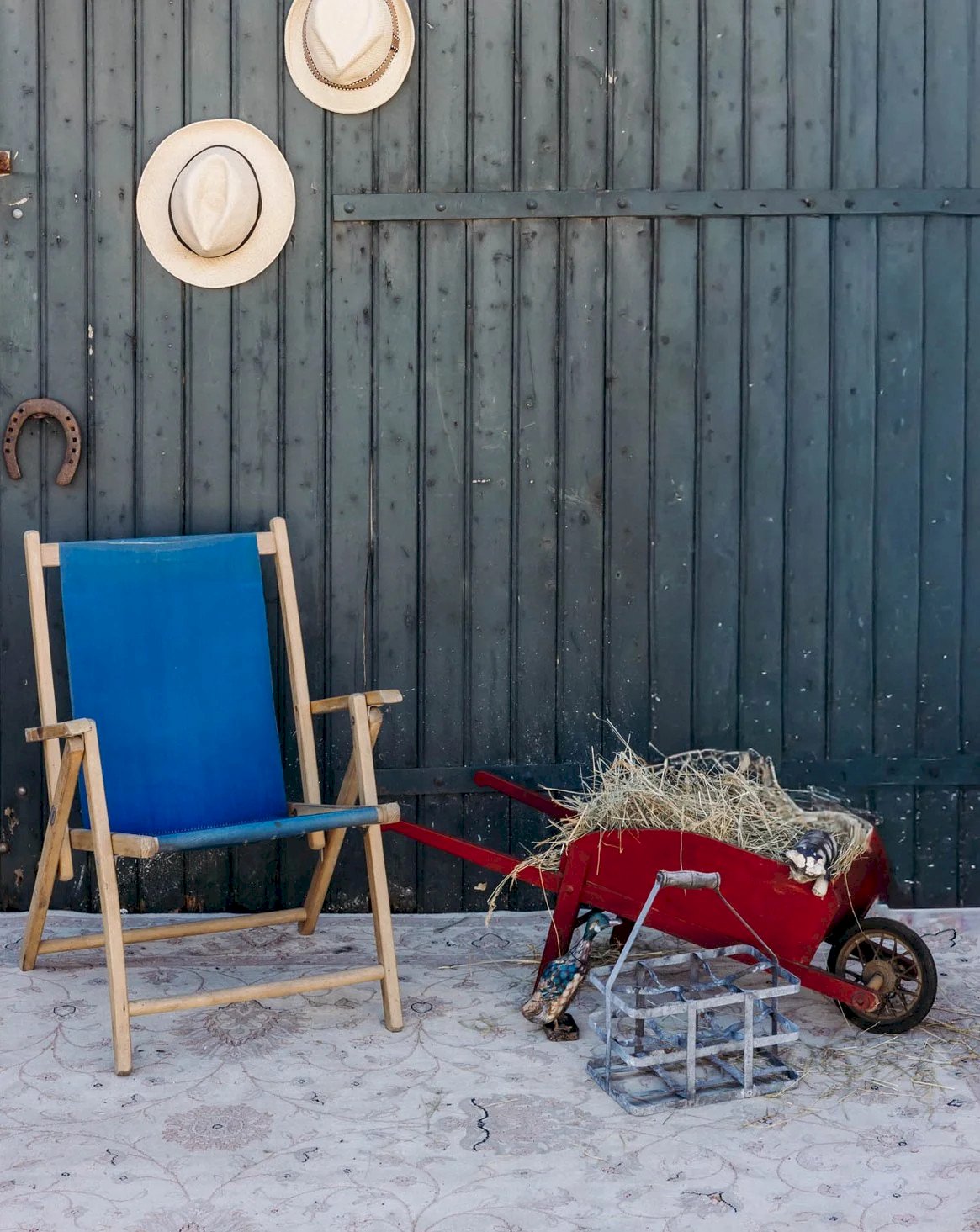
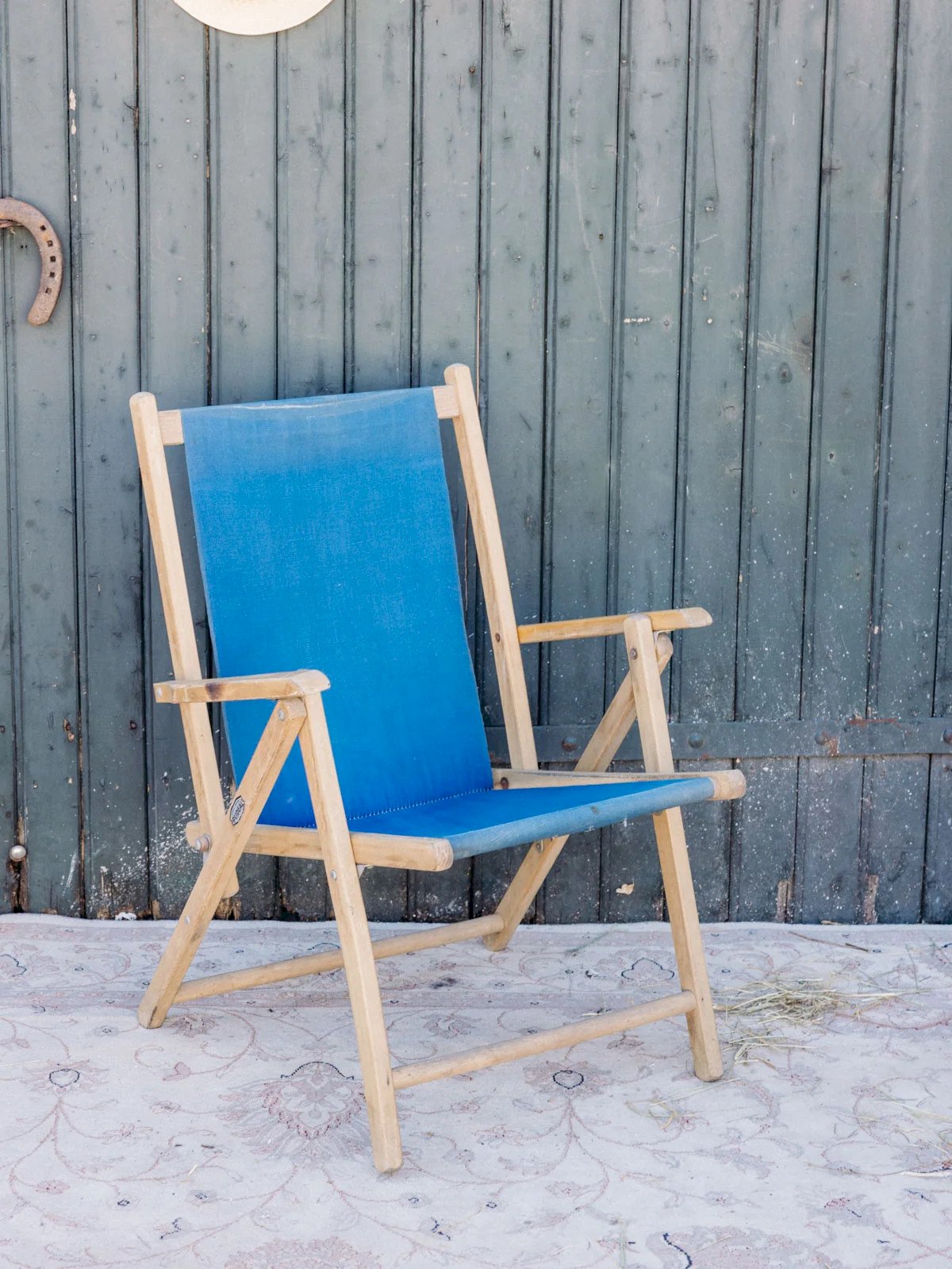
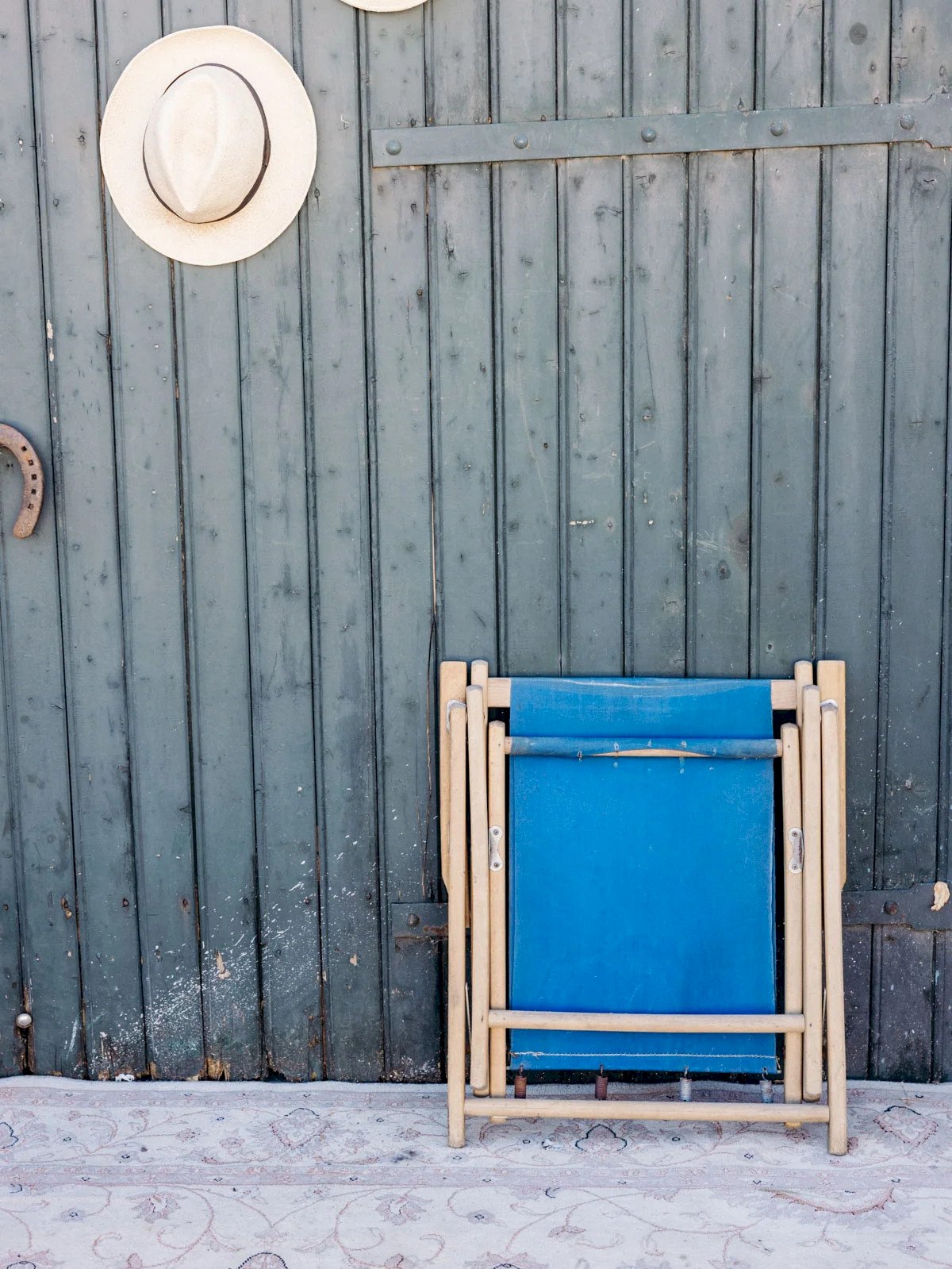
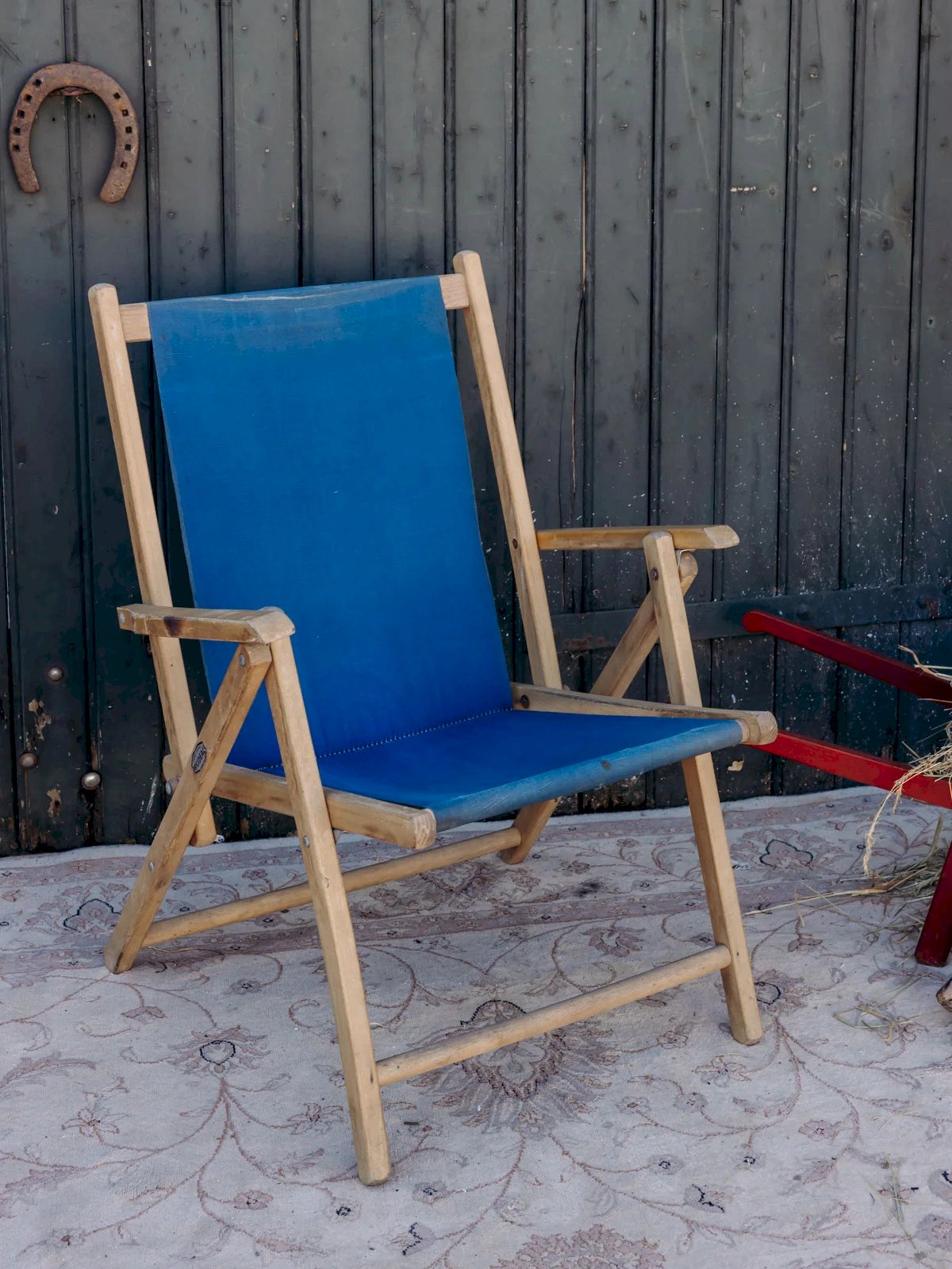
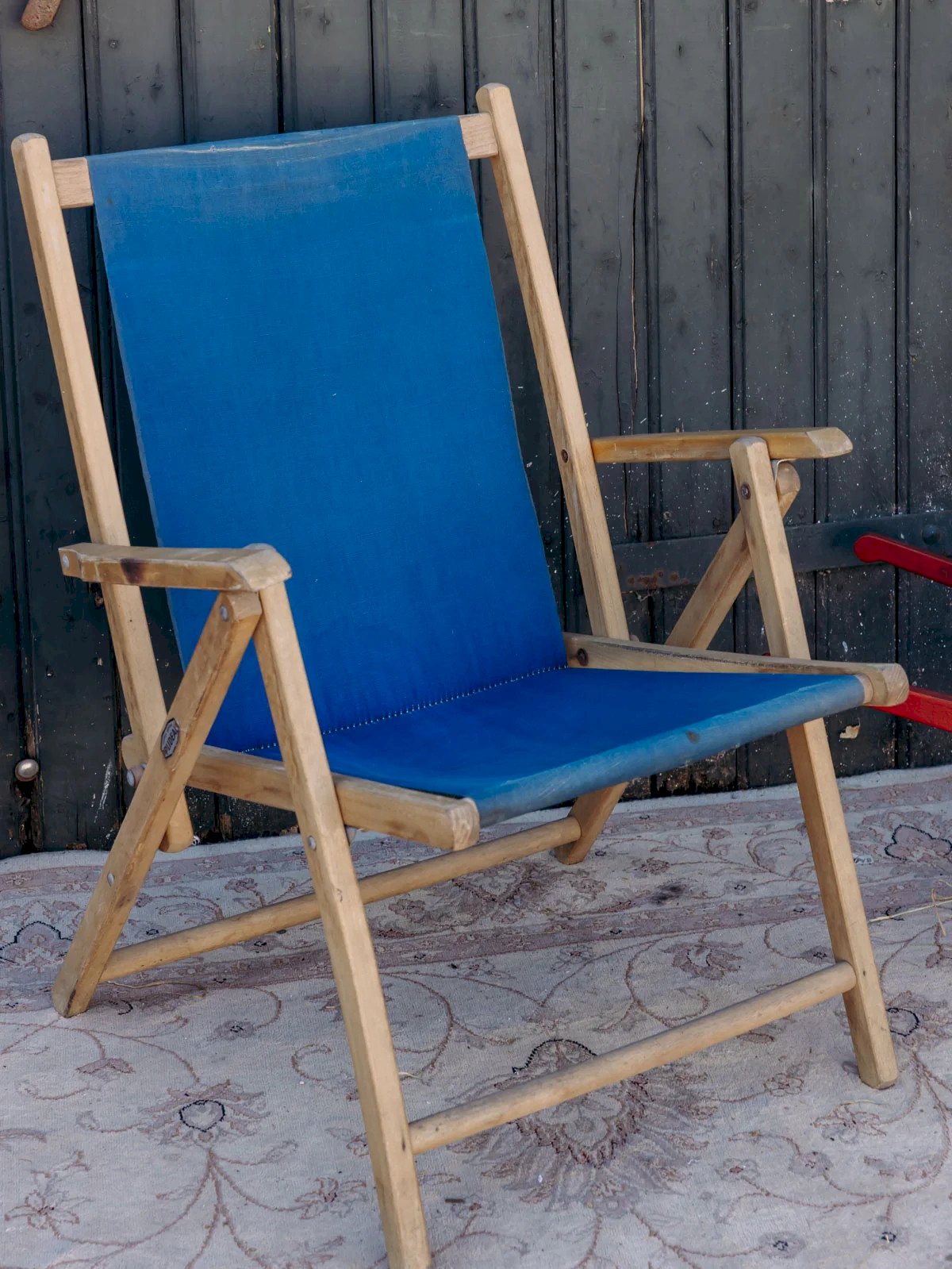
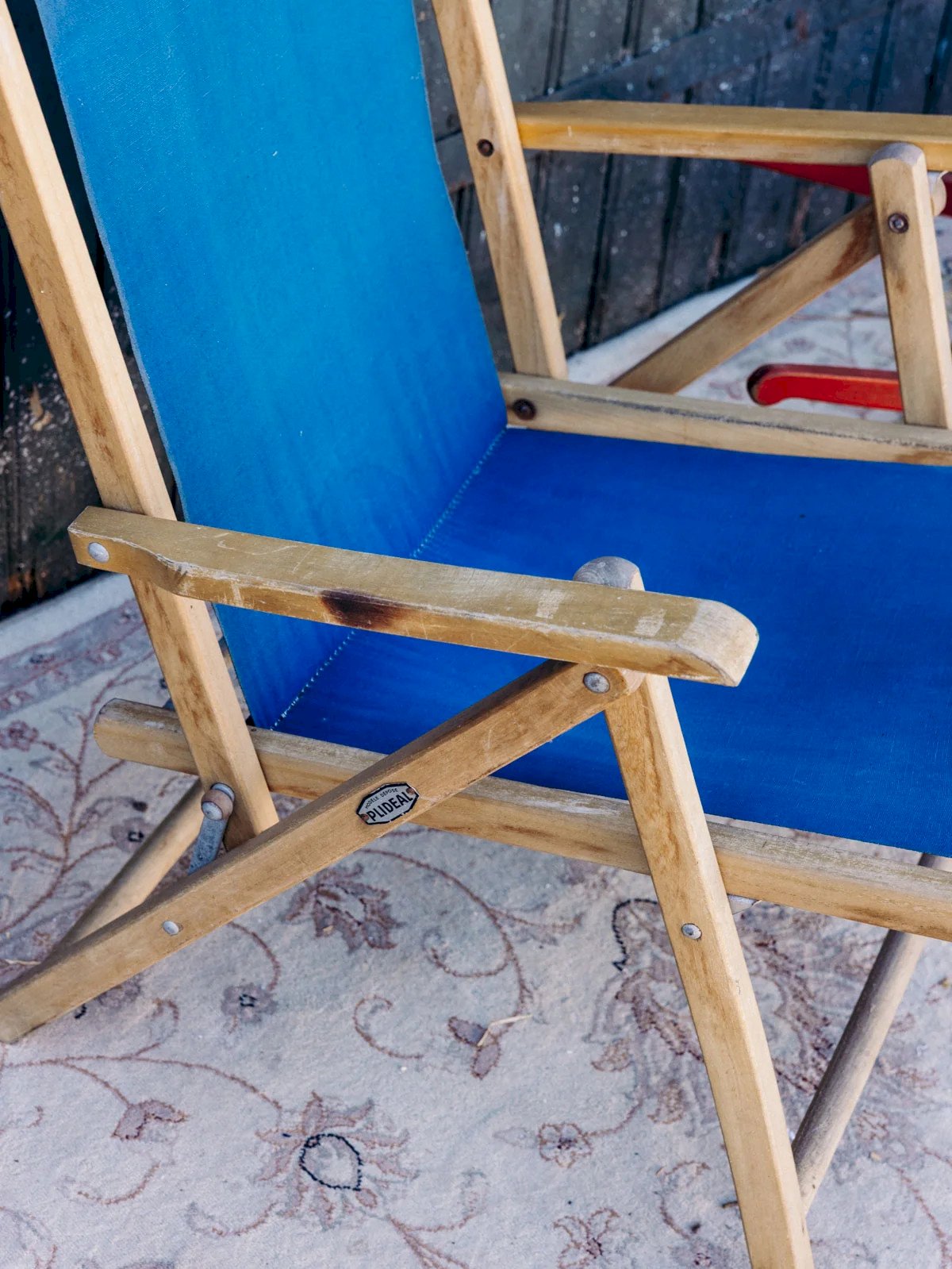
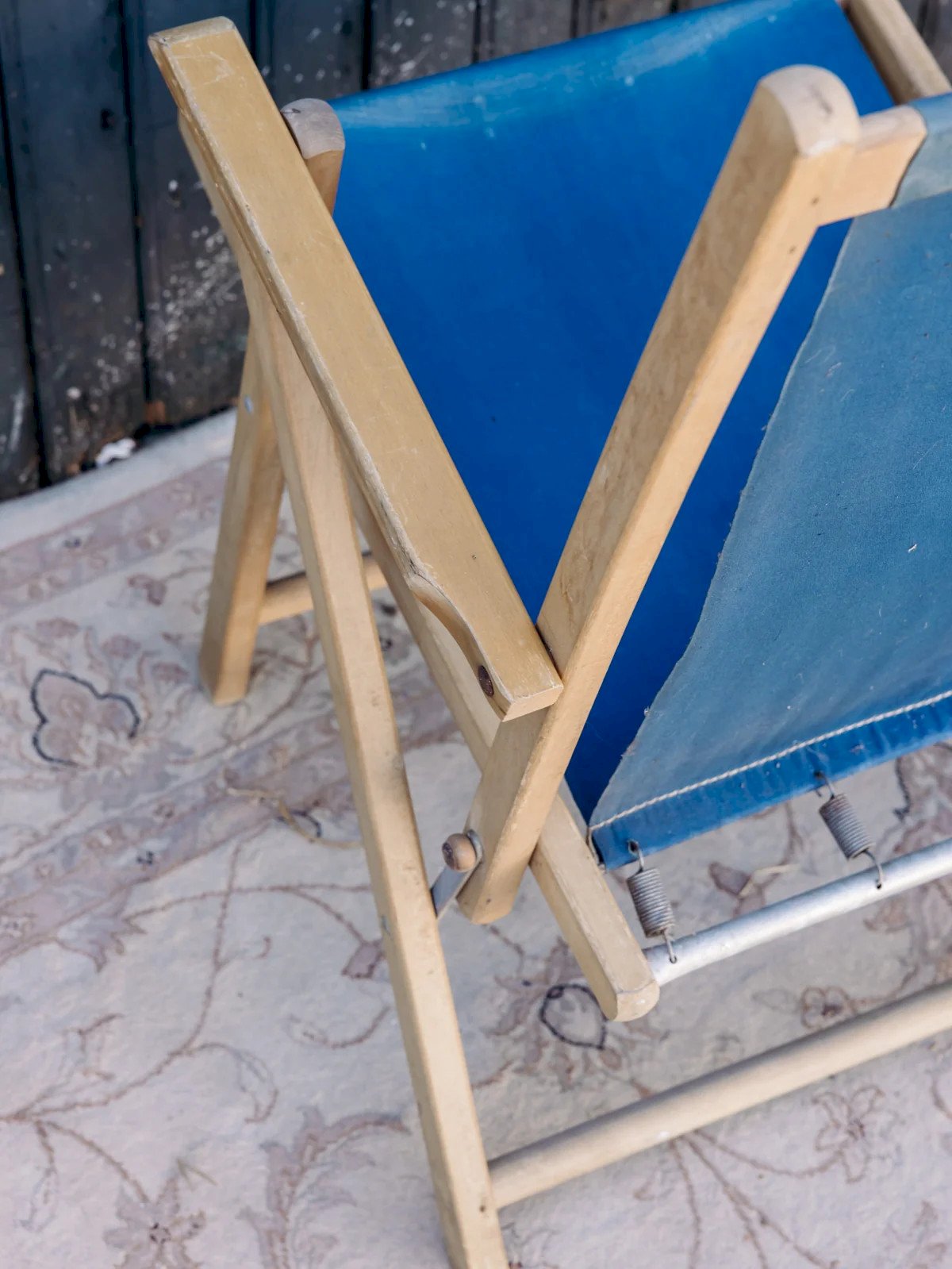
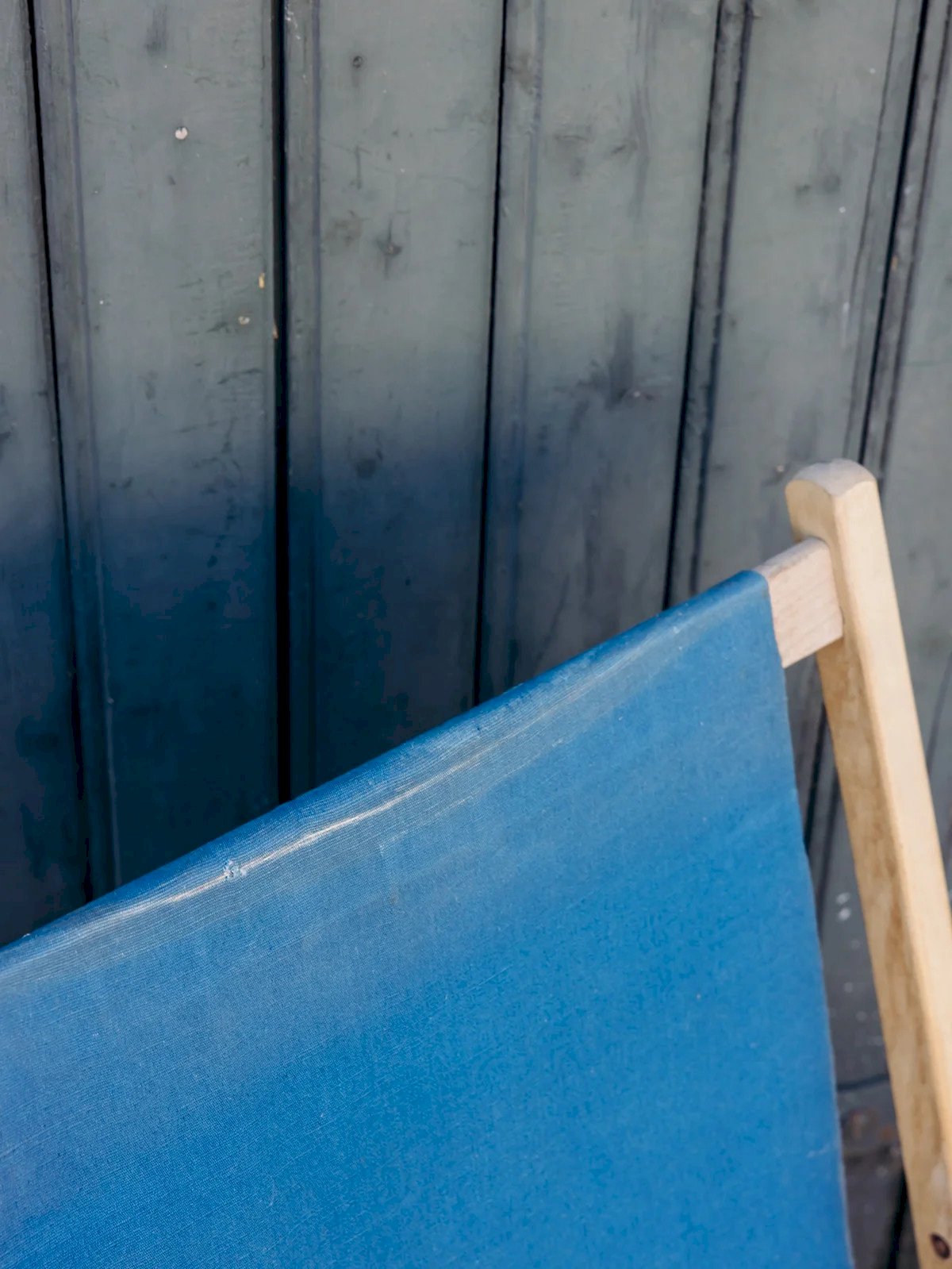
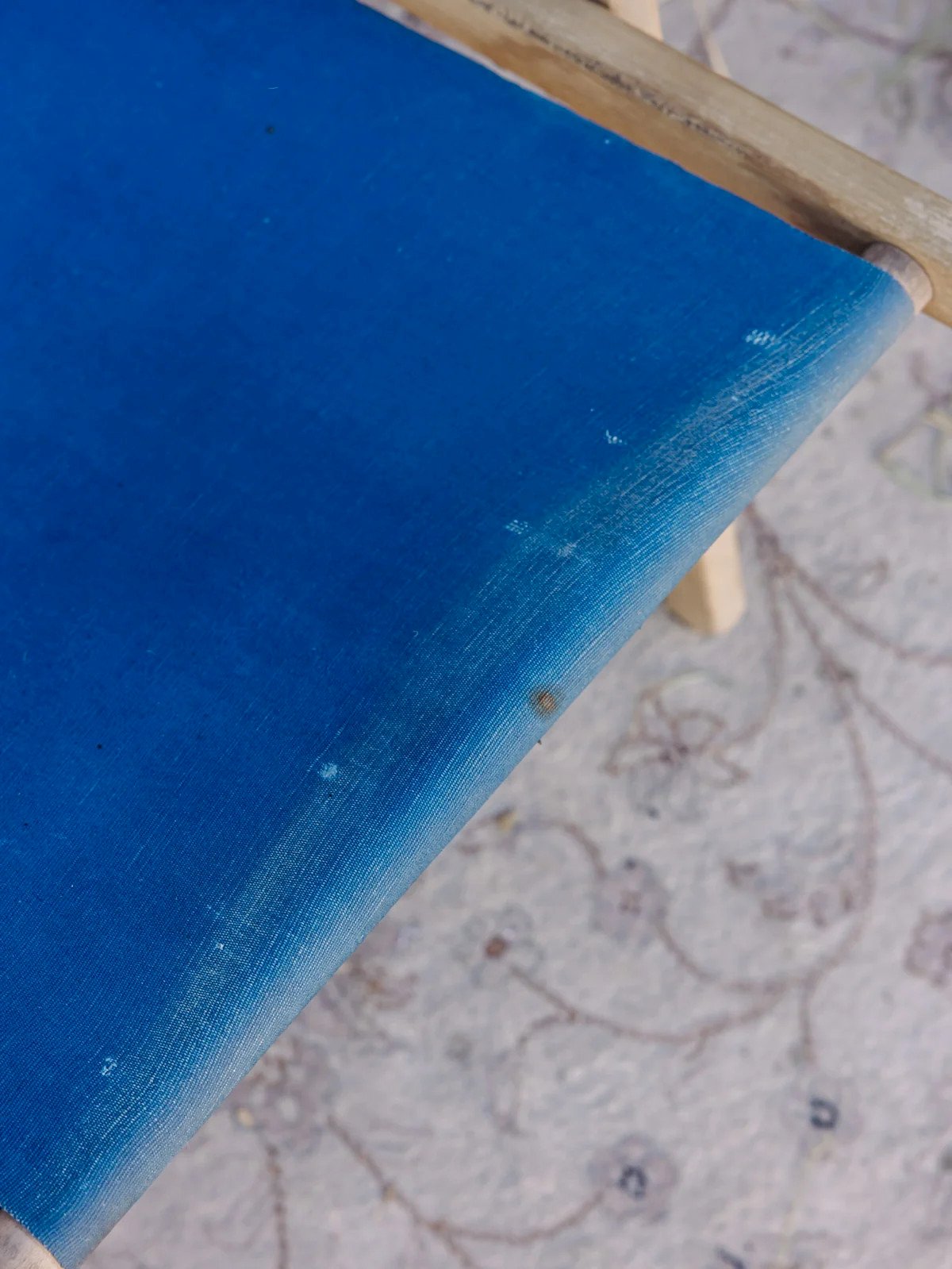
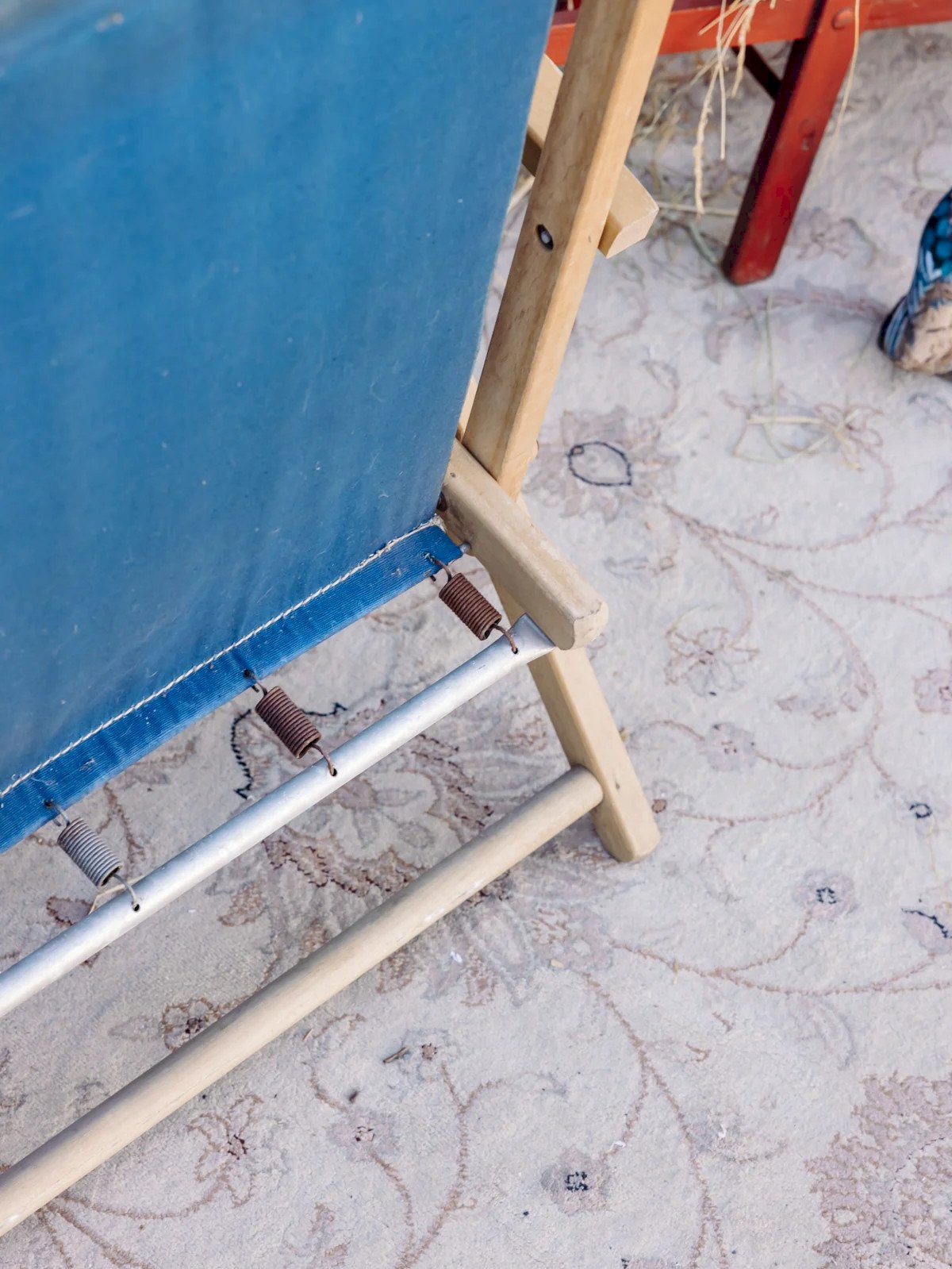
Add a touch of practicality to your interior with this light wood folding chair, combining simplicity and elegance. Its dark blue fabric adds a modern note while providing appreciated comfort during your moments of relaxation. Ideal for outdoor meals or as an extra seat in your living room, this chair easily folds for hassle-free storage. Some signs of use testify to its history, adding a warm character to your decor. Width: 57 cm Depth: 47 cm Height: 78 cm Seat height: 35 cm Seat depth: 43 cm A brief history of the chair In the Middle Ages, sitting on a backed seat was a rare privilege reserved for the one who led the assembly: the "president" [from the Latin praesidere, to sit before]. For a long time a symbol of prestige compared to the benches and stools of the common people, the chair only became widely available in the 18th century, turning into an everyday object. It is distinguished from an armchair by the absence of armrests, a structure designed to offer total freedom of movement around a table or desk. The result of a constant quest between lightness and sturdiness, it has evolved from carved solid wood to more modern lines, making each seat a witness to the history of comfort.
Réf :
#413332
Brand / From : Debongout
Related Products



Comments
Claude, the folding garden chair No. 1568
99€
75002 Paris
Ce site contient des liens d’affiliation pour lesquels je peux recevoir une compensation.
Description
Add a touch of practicality to your interior with this light wood folding chair, combining simplicity and elegance. Its dark blue fabric adds a modern note while providing appreciated comfort during your moments of relaxation. Ideal for outdoor meals or as an extra seat in your living room, this chair easily folds for hassle-free storage. Some signs of use testify to its history, adding a warm character to your decor. Width: 57 cm Depth: 47 cm Height: 78 cm Seat height: 35 cm Seat depth: 43 cm A brief history of the chair In the Middle Ages, sitting on a backed seat was a rare privilege reserved for the one who led the assembly: the "president" [from the Latin praesidere, to sit before]. For a long time a symbol of prestige compared to the benches and stools of the common people, the chair only became widely available in the 18th century, turning into an everyday object. It is distinguished from an armchair by the absence of armrests, a structure designed to offer total freedom of movement around a table or desk. The result of a constant quest between lightness and sturdiness, it has evolved from carved solid wood to more modern lines, making each seat a witness to the history of comfort.
Réf :
#413332
Brand / From : Debongout