English
  Français

Description
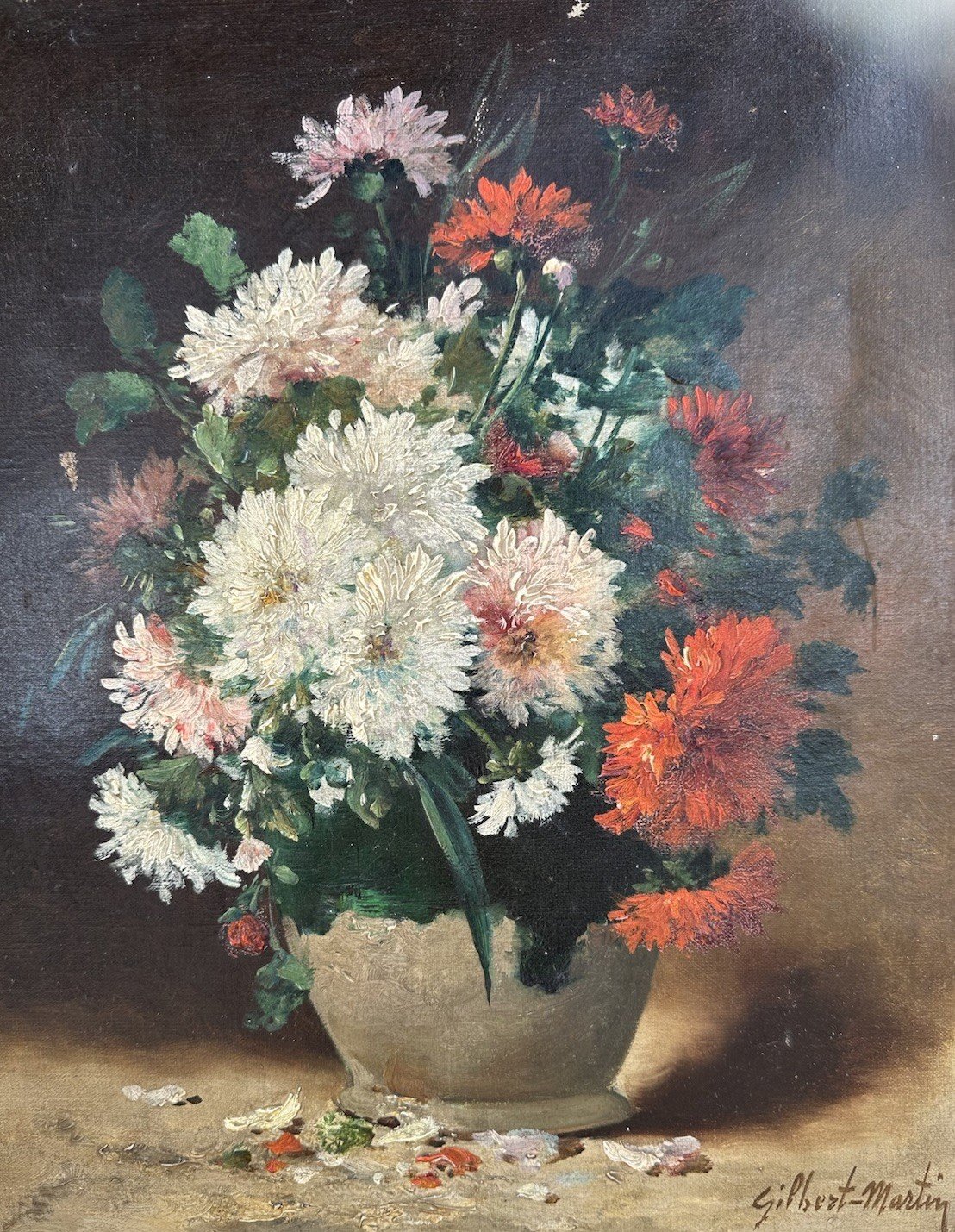
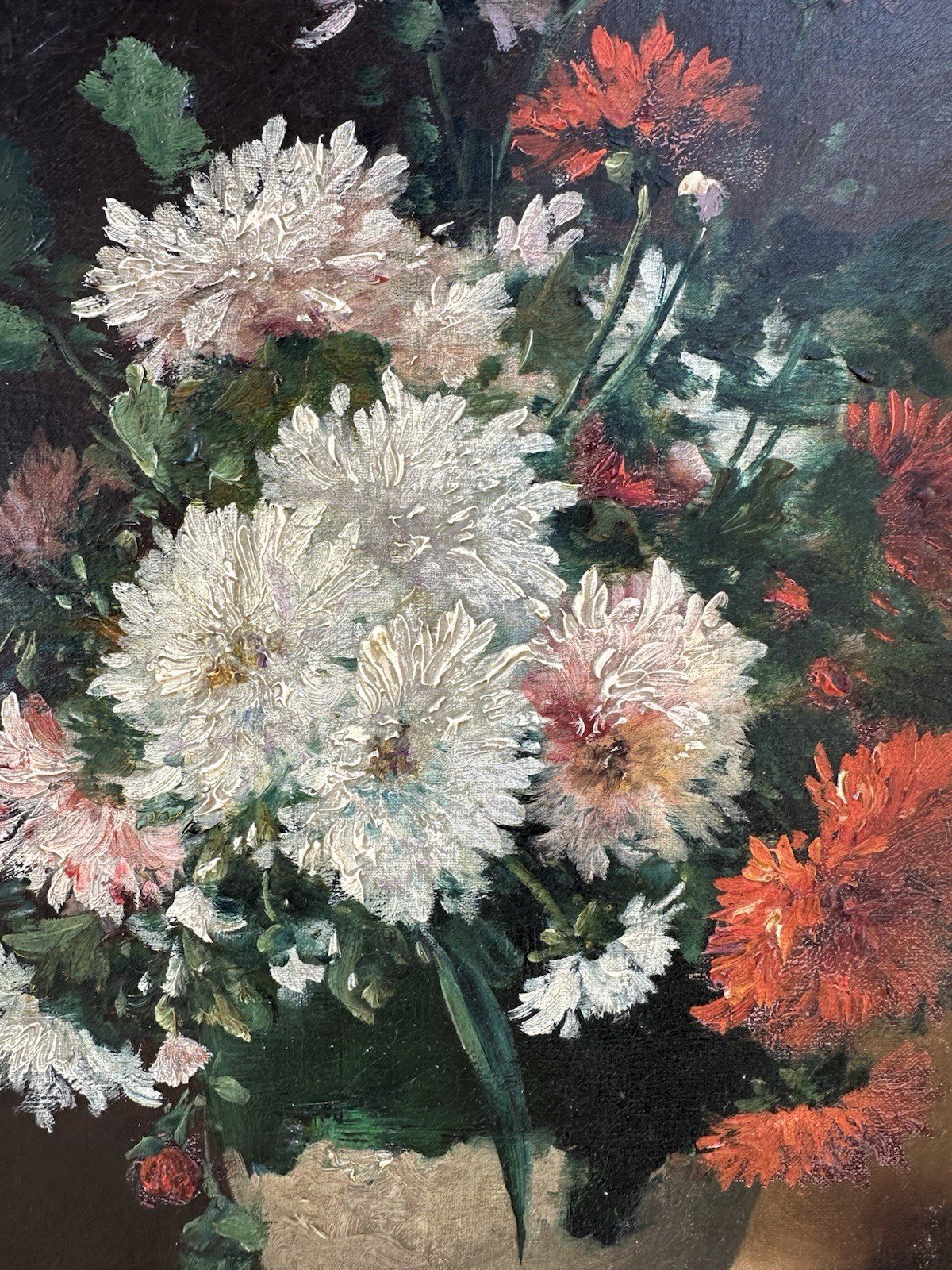
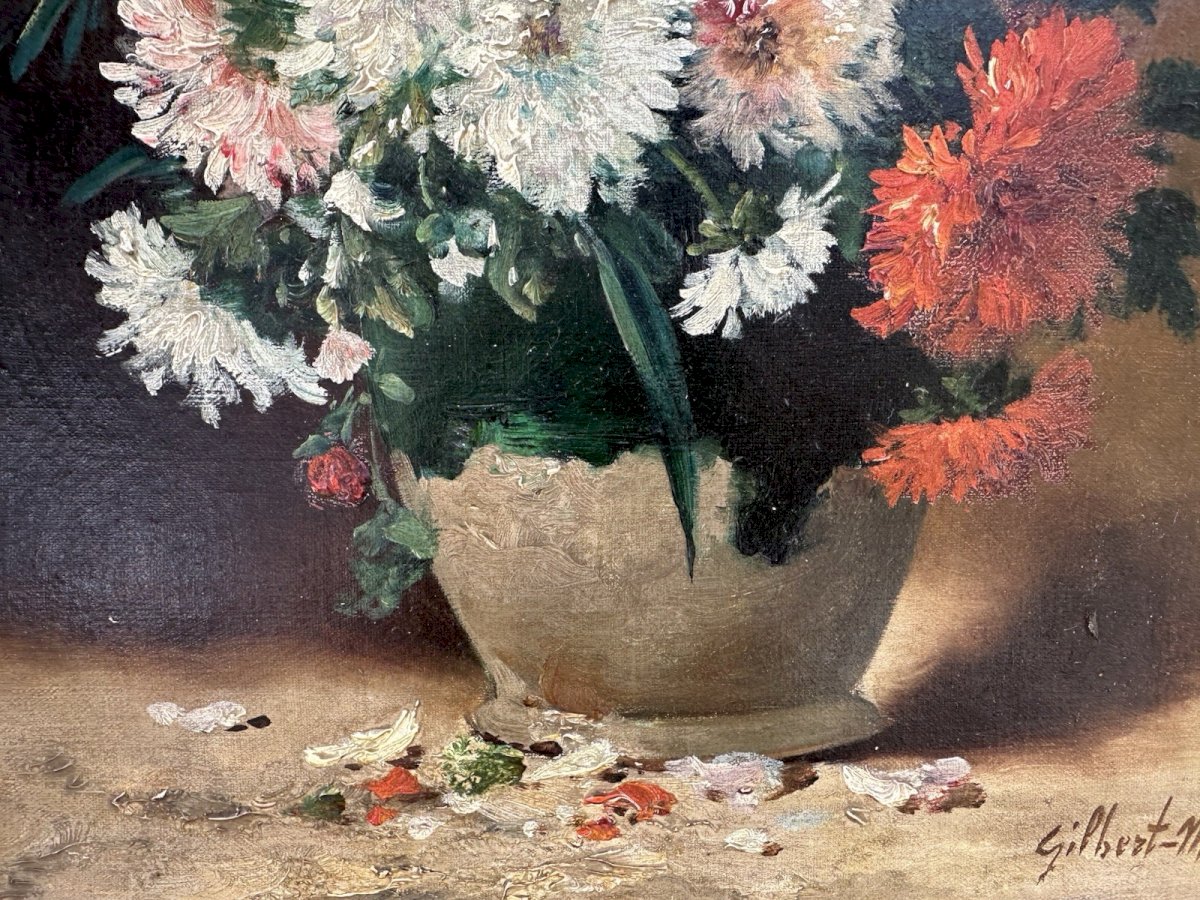
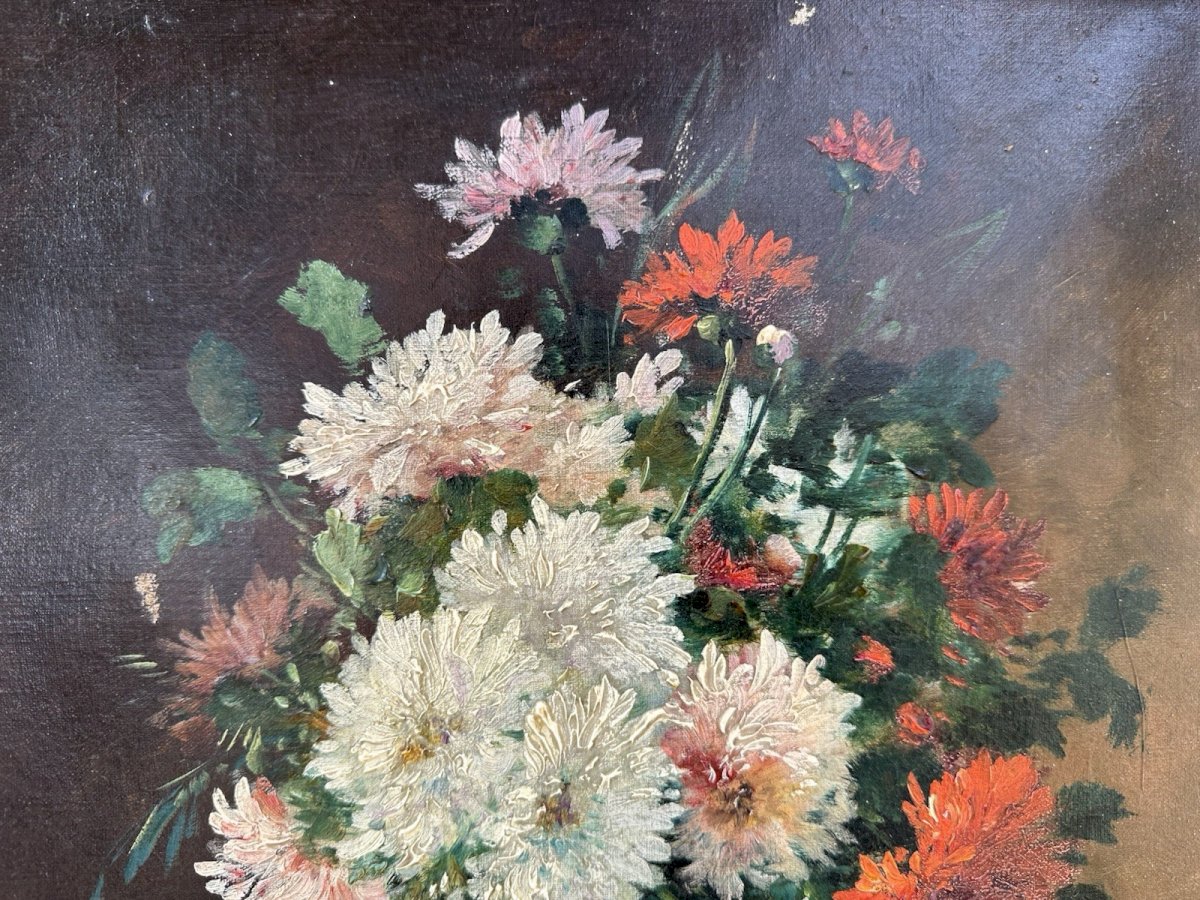
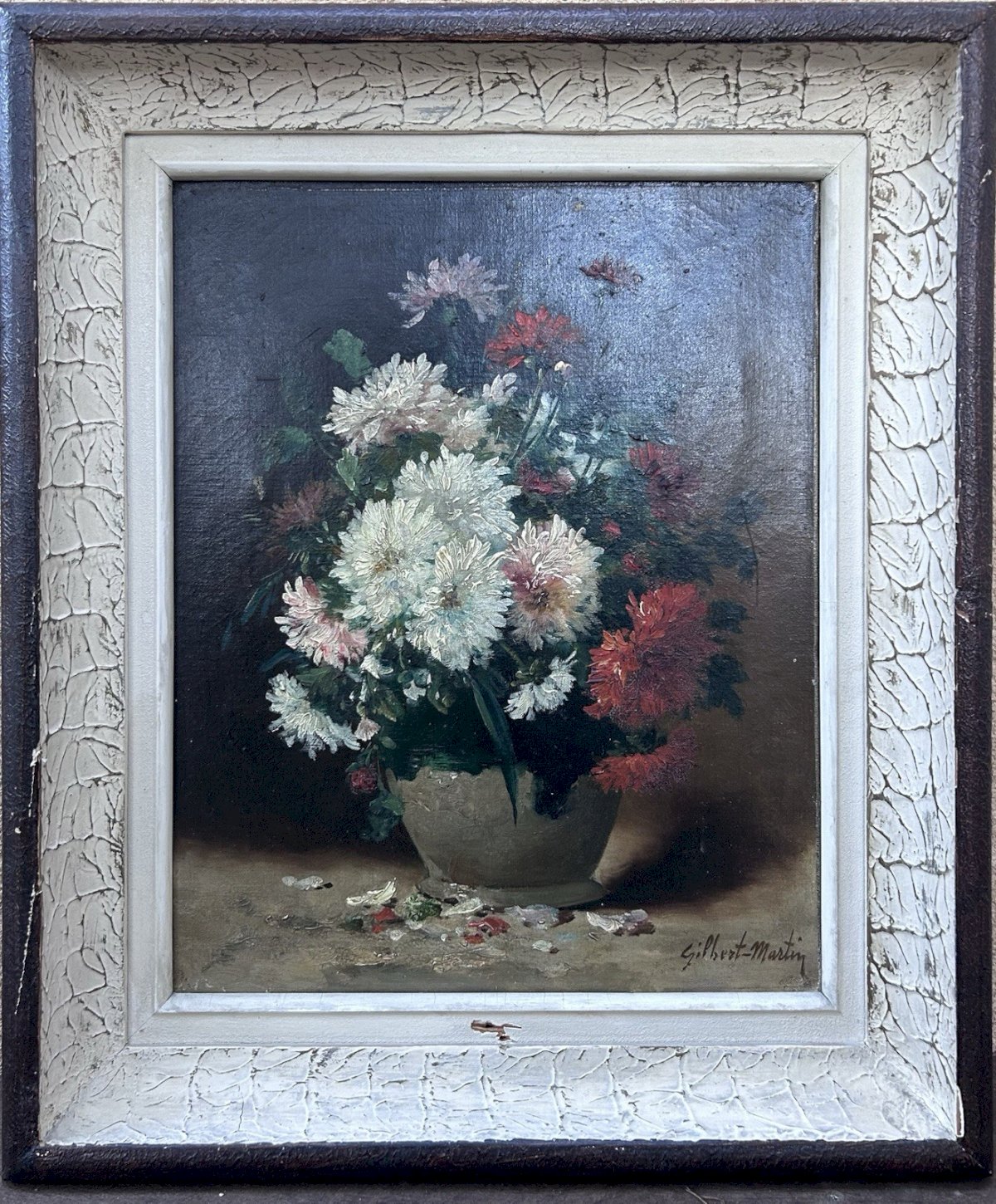
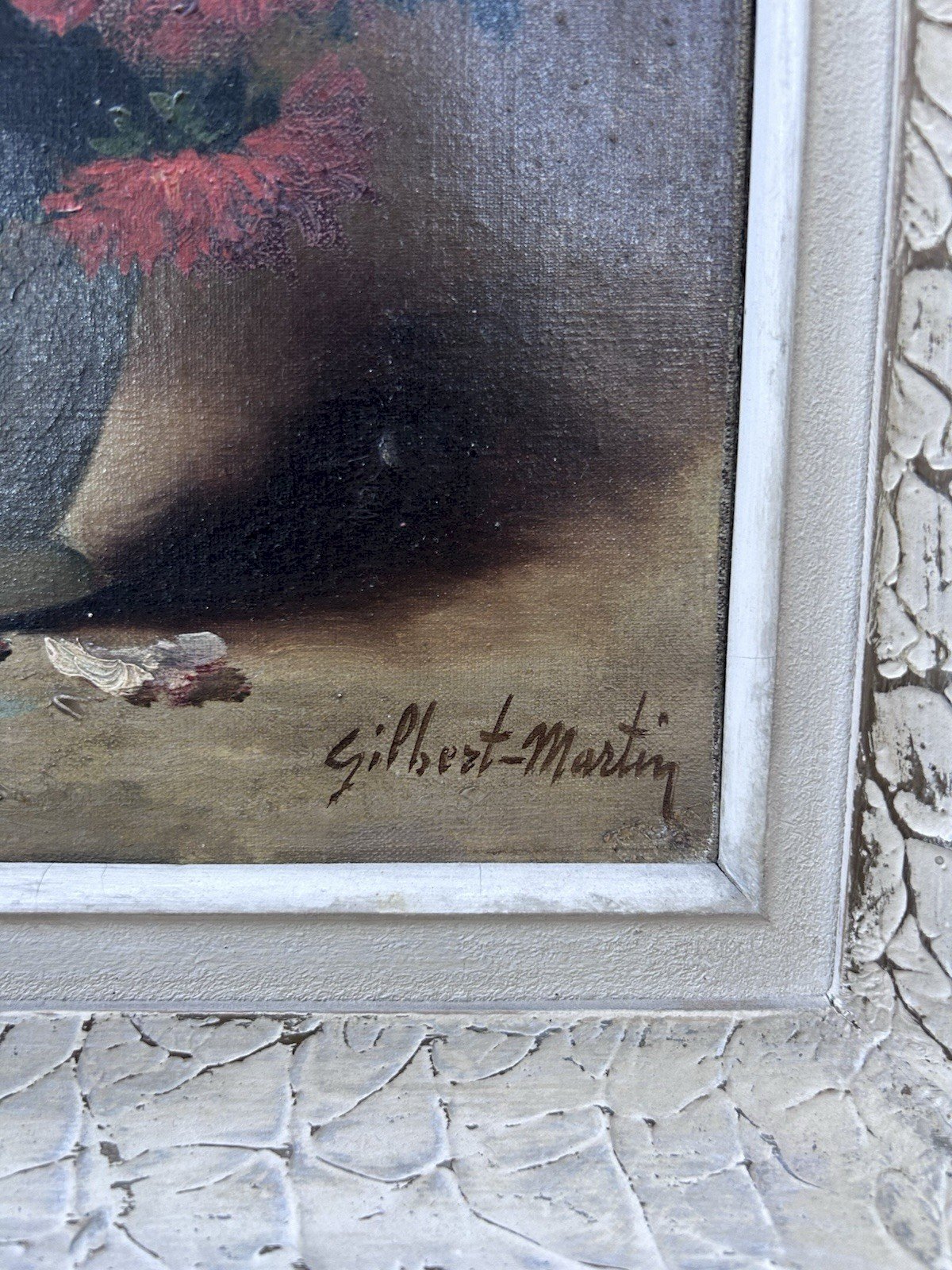
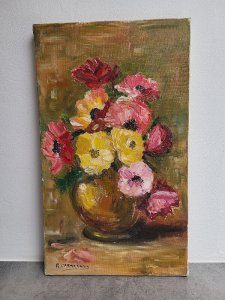
Charles Gilbert - Martin: Oil on canvas flower bouquet 19th century. Dimensions with frame 53.5 x 45.5 cm Dimensions of painting 41 x 33 cm After studying at the college of Blaye, Charles Gilbert-Martin moved to Paris in 1862 to attempt a literary career. A student and friend of Félicien Mallefille, he met with little success as a playwright and turned to journalism by contributing to the Soleil de Moïse Millaud and Nain jaune of Aurélien Scholl. On May 19, 1867, he founded Le Philosophe. As editor-in-chief of this satirical magazine, he created most of the caricatures, alongside the painter Jean-Paul Laurens, who primarily drew scenes of social manners. Le Philosophe will only have 33 issues due to censorship and a court decision made in January 1868, which condemned Gilbert-Martin to a fine of 200 francs and two months in detention at Sainte-Pélagie. Another satirical newspaper publishing drawings by the Girondin caricaturist, Le Hanneton was also struck by a condemnation a few months later. Gilbert-Martin, who also contributed to La Rue of Jules Vallès, is indeed a republican opposed to the Second Empire. In 1869, he launched Les Grimaces contemporaines, a series of caricature portraits of contemporary journalists accompanied by texts from Ranc, Lockroy, and Barbey d'Aurevilly. That same year, he collaborated on L'Histoire, newly created by Millaud. After the Revolution of September 4, 1870, Gilbert-Martin was attached for a few months to the Ministry of the Interior, then headed by Léon Gambetta, and worked with the delegation of the Government of National Defense in Tours. He then joined the Northern army commanded by Faidherbe. As a staff captain, he was promoted to the rank of squadron leader during the last months of the war against Germany. Le Don Quichotte of January 14, 1885. In 1871, Gilbert-Martin settled in Bordeaux. In 1874, he drew several caricatures of Bordeaux journalists in L'Incroyable illustré before founding a new satirical and political weekly, Le Don Quichotte, the first issue of which was dated June 26. In addition to the cover caricatures, he wrote, under the pen names "Louis Lemaire" and "Tribelg" (an anagram of Gilbert), columns, poems, theatrical critiques, as well as satirical announcements. Among the collaborators of Don Quichotte were notably Henri Aimel, Charles Monselet, Aurélien Scholl, and Pauline Savari. The newspaper particularly distinguished itself during the crisis of May 16, 1877, fighting against the prefect of the moral order regime, Jacques de Tracy, whom it ridiculed by making him seize a clysopomp (an enema instrument). This republican activism resulted in eleven convictions for Gilbert-Martin, including three prison sentences, who was also the editor-in-chief of a republican daily, Le Bordelais, “rapid journal.” After mocking the local Bonapartist deputy Ernest Dréolle, Gilbert-Martin had to confront him on November 27, 1878, in a pistol duel at Plessis-Piquet, from which both men emerged unscathed. After the disappearance of Bordelais, Gilbert-Martin joined La Victoire, where he worked with Aimel and Gambier. A radical candidate in the 2nd district of Bordeaux during the 1881 legislative elections, Gilbert-Martin clearly led the first round with nearly 3,000 votes. However, he was narrowly defeated in the second round by the opportunist Fourcand-Léon, who won by 113 votes thanks to the transfer of votes obtained in the first round by Dr. Paul Dupuy and the campaign waged against his opponent by the socialist Jourde in La Voix du Peuple of Ernest Roche. He was again defeated four years later during the 1885 legislative elections: despite the 12,000 votes that went to his name in the first round, the radical list he led alongside Antoine Achard eventually withdrew from the second round out of republican discipline, on the advice of Clemenceau. In the autumn of 1887, Gilbert-Martin returned to Paris, where he contributed to La Nation and continued to publish Don Quichotte until the autumn of 1893, while providing theatrical critique articles for La France. In 1897, Gilbert-Martin rejoined Clemenceau's team at L'Aurore, with whom he shared a Dreyfusard position. In 1902, after selling part of his library and furniture at Drouot, he permanently left the capital to settle in Charente-Inférieure, at Saint-Thomas-de-Conac. He died in this last commune and was buried about twenty kilometers away, in his hometown. Among the few caricaturists of his generation not known by a pen name, Gilbert-Martin also signed several still-life paintings. Characteristics: On canvas Type: Oil Theme: Flower, Tree Country of origin: France
Réf :
#389021
Related Products




Comments
Charles Gilbert - Martin: Oil on canvas bouquet of flowers 19th century.
799€
42420 Lorette
Ce site contient des liens d’affiliation pour lesquels je peux recevoir une compensation.
Description
Charles Gilbert - Martin: Oil on canvas flower bouquet 19th century. Dimensions with frame 53.5 x 45.5 cm Dimensions of painting 41 x 33 cm After studying at the college of Blaye, Charles Gilbert-Martin moved to Paris in 1862 to attempt a literary career. A student and friend of Félicien Mallefille, he met with little success as a playwright and turned to journalism by contributing to the Soleil de Moïse Millaud and Nain jaune of Aurélien Scholl. On May 19, 1867, he founded Le Philosophe. As editor-in-chief of this satirical magazine, he created most of the caricatures, alongside the painter Jean-Paul Laurens, who primarily drew scenes of social manners. Le Philosophe will only have 33 issues due to censorship and a court decision made in January 1868, which condemned Gilbert-Martin to a fine of 200 francs and two months in detention at Sainte-Pélagie. Another satirical newspaper publishing drawings by the Girondin caricaturist, Le Hanneton was also struck by a condemnation a few months later. Gilbert-Martin, who also contributed to La Rue of Jules Vallès, is indeed a republican opposed to the Second Empire. In 1869, he launched Les Grimaces contemporaines, a series of caricature portraits of contemporary journalists accompanied by texts from Ranc, Lockroy, and Barbey d'Aurevilly. That same year, he collaborated on L'Histoire, newly created by Millaud. After the Revolution of September 4, 1870, Gilbert-Martin was attached for a few months to the Ministry of the Interior, then headed by Léon Gambetta, and worked with the delegation of the Government of National Defense in Tours. He then joined the Northern army commanded by Faidherbe. As a staff captain, he was promoted to the rank of squadron leader during the last months of the war against Germany. Le Don Quichotte of January 14, 1885. In 1871, Gilbert-Martin settled in Bordeaux. In 1874, he drew several caricatures of Bordeaux journalists in L'Incroyable illustré before founding a new satirical and political weekly, Le Don Quichotte, the first issue of which was dated June 26. In addition to the cover caricatures, he wrote, under the pen names "Louis Lemaire" and "Tribelg" (an anagram of Gilbert), columns, poems, theatrical critiques, as well as satirical announcements. Among the collaborators of Don Quichotte were notably Henri Aimel, Charles Monselet, Aurélien Scholl, and Pauline Savari. The newspaper particularly distinguished itself during the crisis of May 16, 1877, fighting against the prefect of the moral order regime, Jacques de Tracy, whom it ridiculed by making him seize a clysopomp (an enema instrument). This republican activism resulted in eleven convictions for Gilbert-Martin, including three prison sentences, who was also the editor-in-chief of a republican daily, Le Bordelais, “rapid journal.” After mocking the local Bonapartist deputy Ernest Dréolle, Gilbert-Martin had to confront him on November 27, 1878, in a pistol duel at Plessis-Piquet, from which both men emerged unscathed. After the disappearance of Bordelais, Gilbert-Martin joined La Victoire, where he worked with Aimel and Gambier. A radical candidate in the 2nd district of Bordeaux during the 1881 legislative elections, Gilbert-Martin clearly led the first round with nearly 3,000 votes. However, he was narrowly defeated in the second round by the opportunist Fourcand-Léon, who won by 113 votes thanks to the transfer of votes obtained in the first round by Dr. Paul Dupuy and the campaign waged against his opponent by the socialist Jourde in La Voix du Peuple of Ernest Roche. He was again defeated four years later during the 1885 legislative elections: despite the 12,000 votes that went to his name in the first round, the radical list he led alongside Antoine Achard eventually withdrew from the second round out of republican discipline, on the advice of Clemenceau. In the autumn of 1887, Gilbert-Martin returned to Paris, where he contributed to La Nation and continued to publish Don Quichotte until the autumn of 1893, while providing theatrical critique articles for La France. In 1897, Gilbert-Martin rejoined Clemenceau's team at L'Aurore, with whom he shared a Dreyfusard position. In 1902, after selling part of his library and furniture at Drouot, he permanently left the capital to settle in Charente-Inférieure, at Saint-Thomas-de-Conac. He died in this last commune and was buried about twenty kilometers away, in his hometown. Among the few caricaturists of his generation not known by a pen name, Gilbert-Martin also signed several still-life paintings. Characteristics: On canvas Type: Oil Theme: Flower, Tree Country of origin: France
Réf :
#389021