 English
 Français


Description
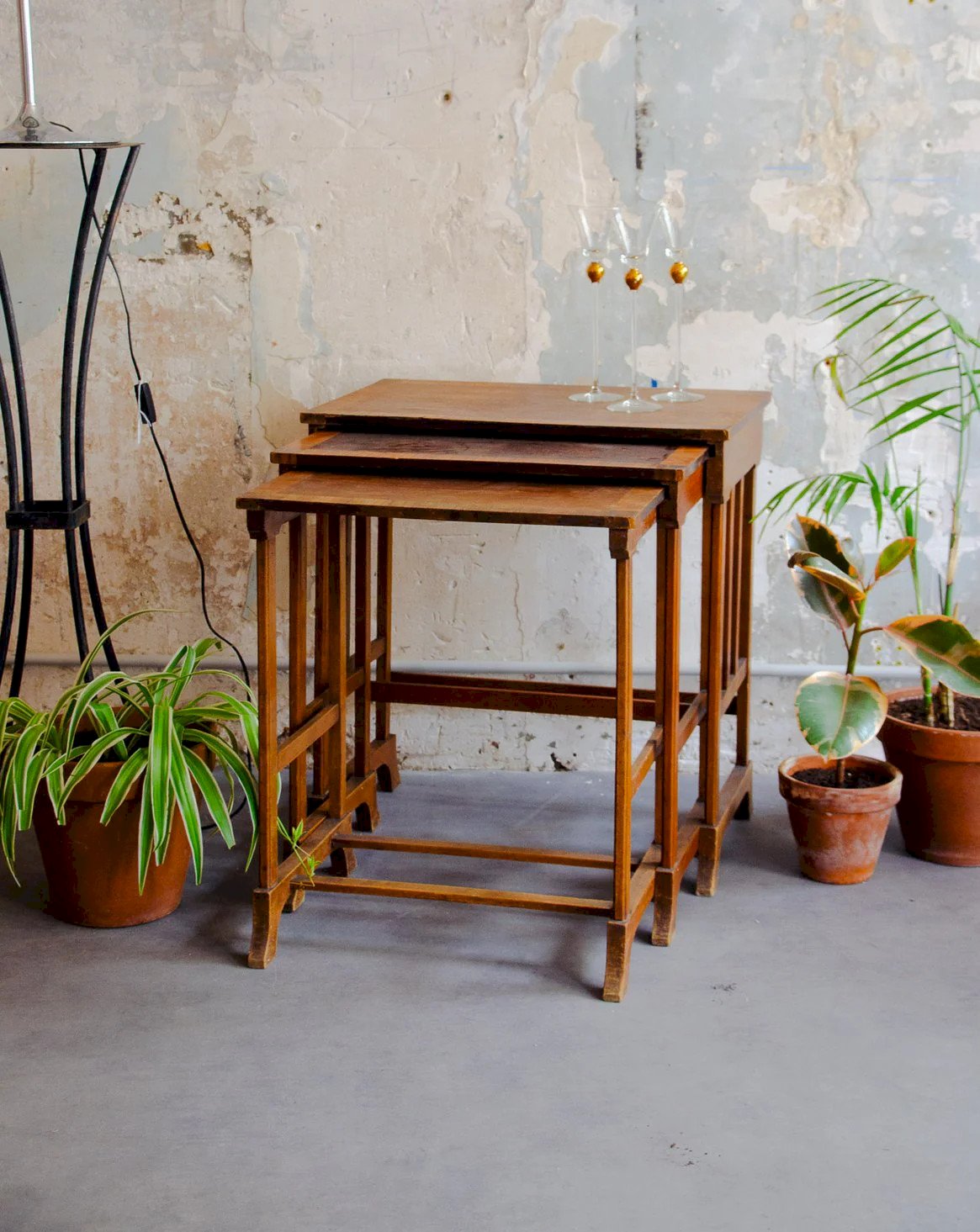
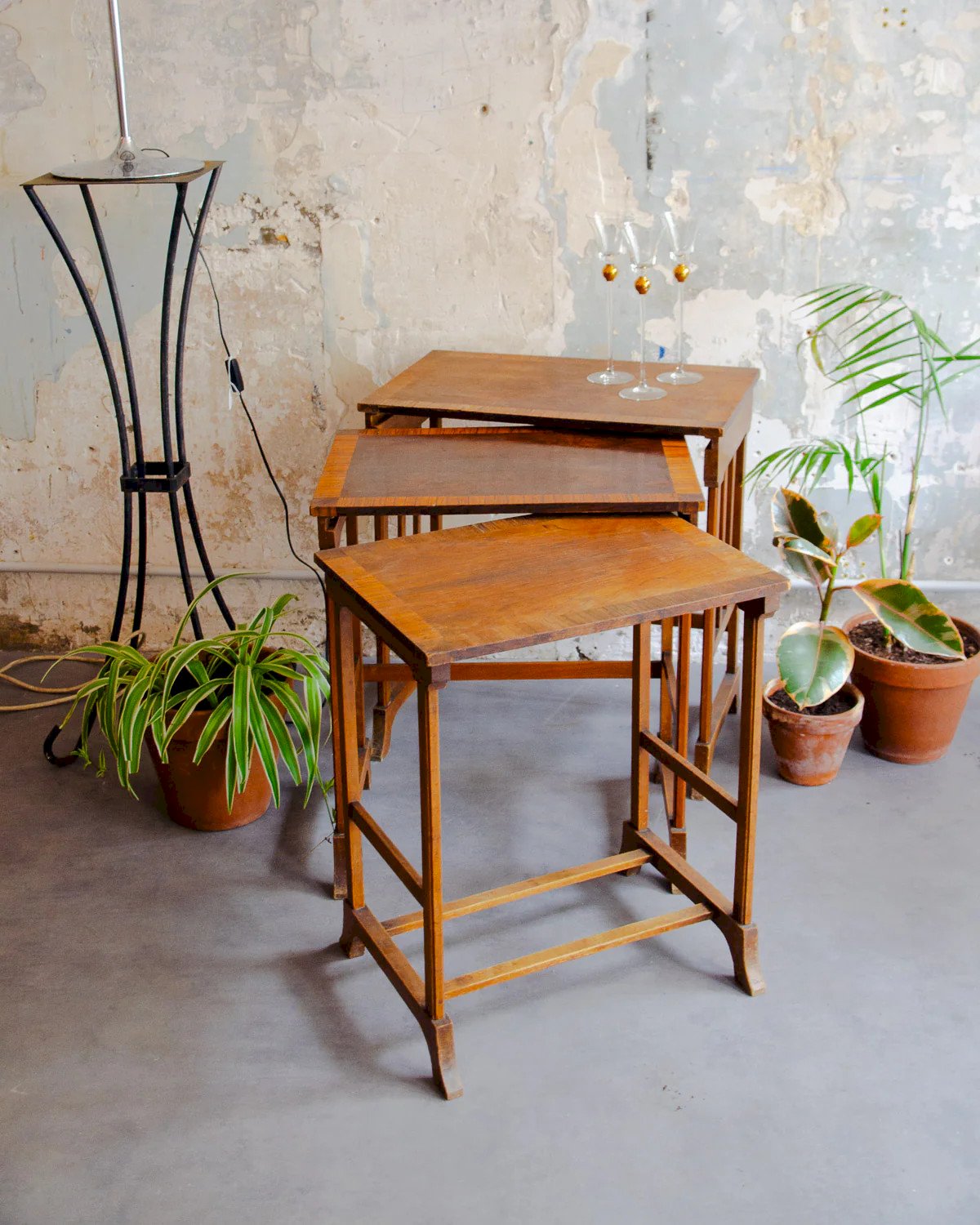
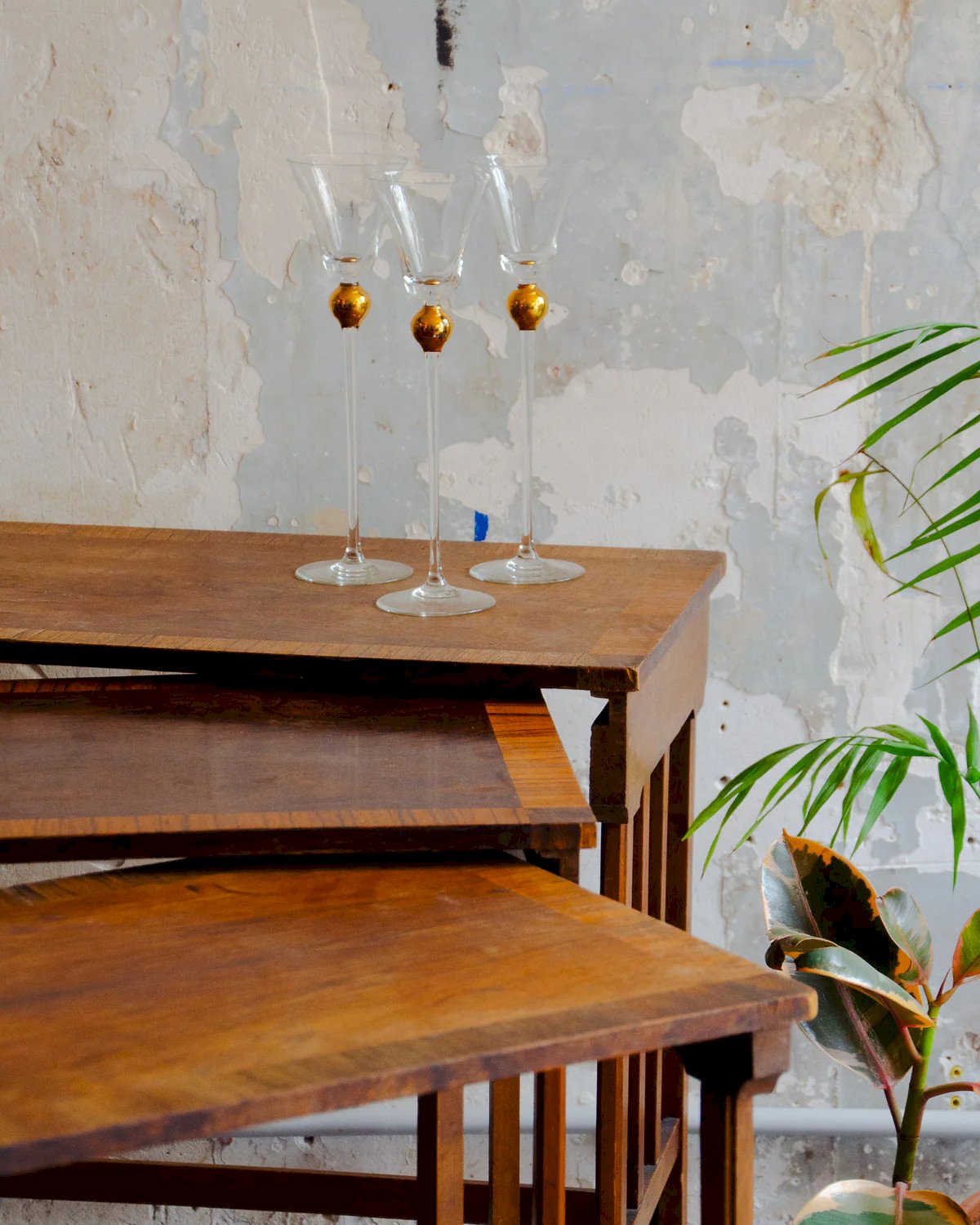
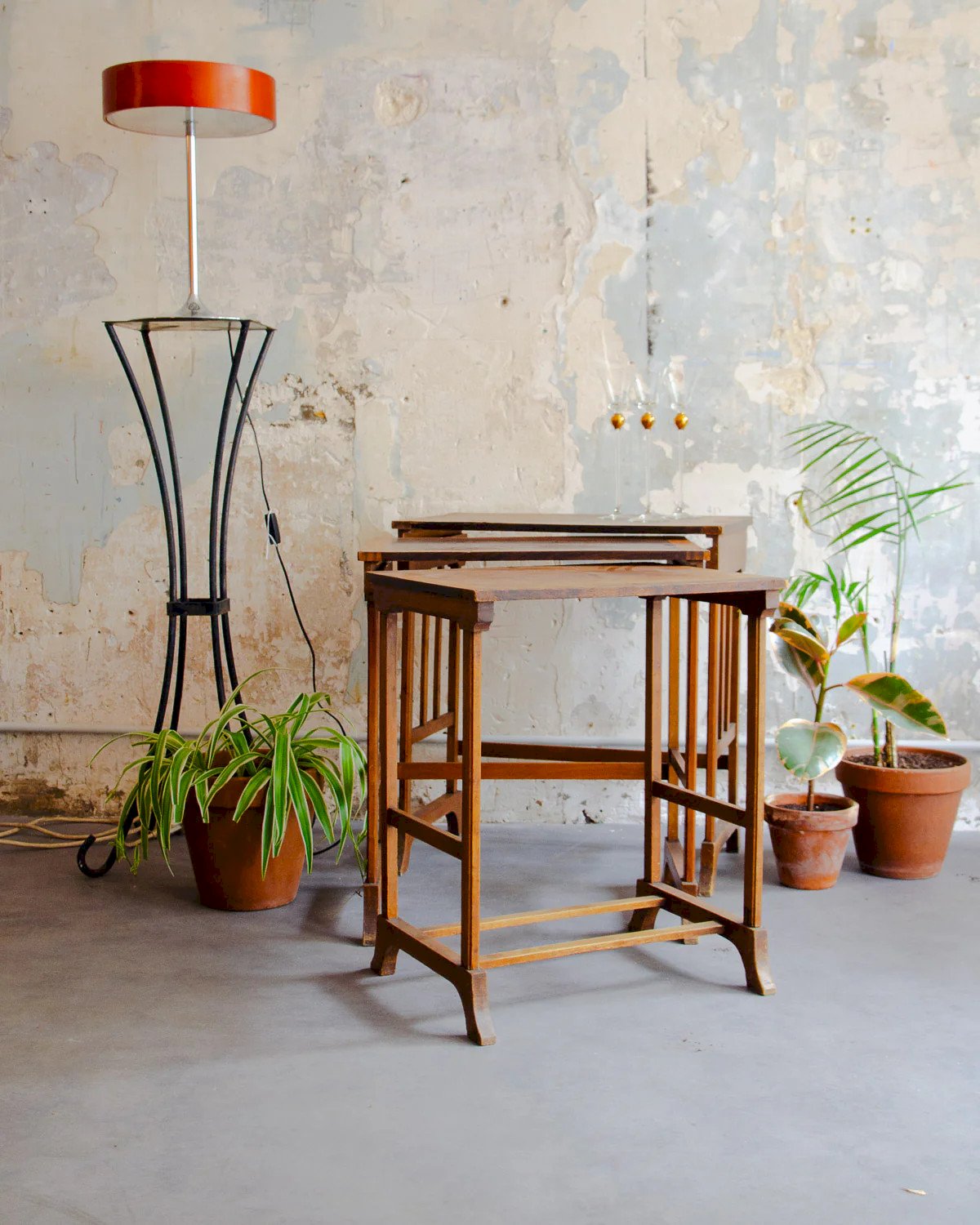
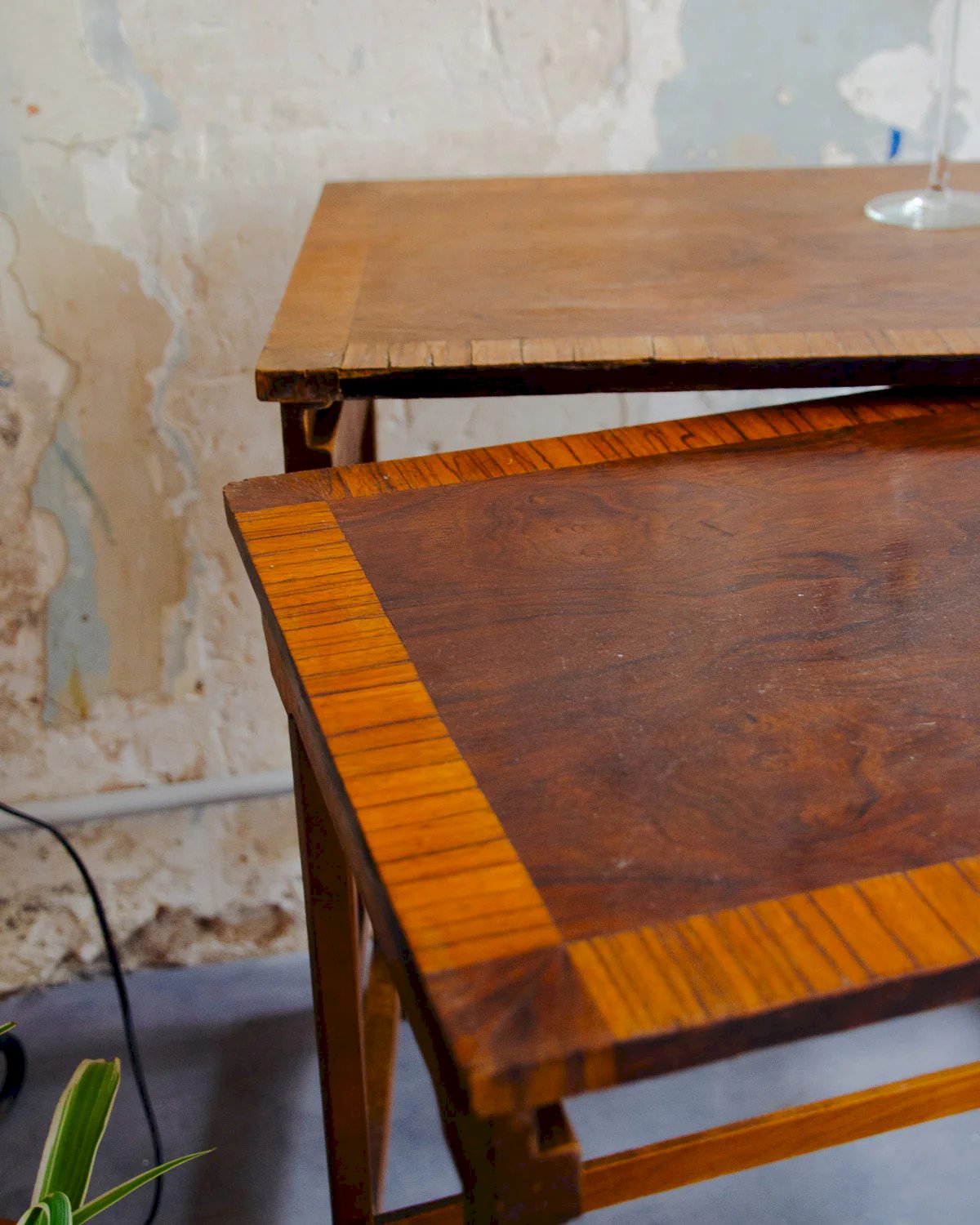
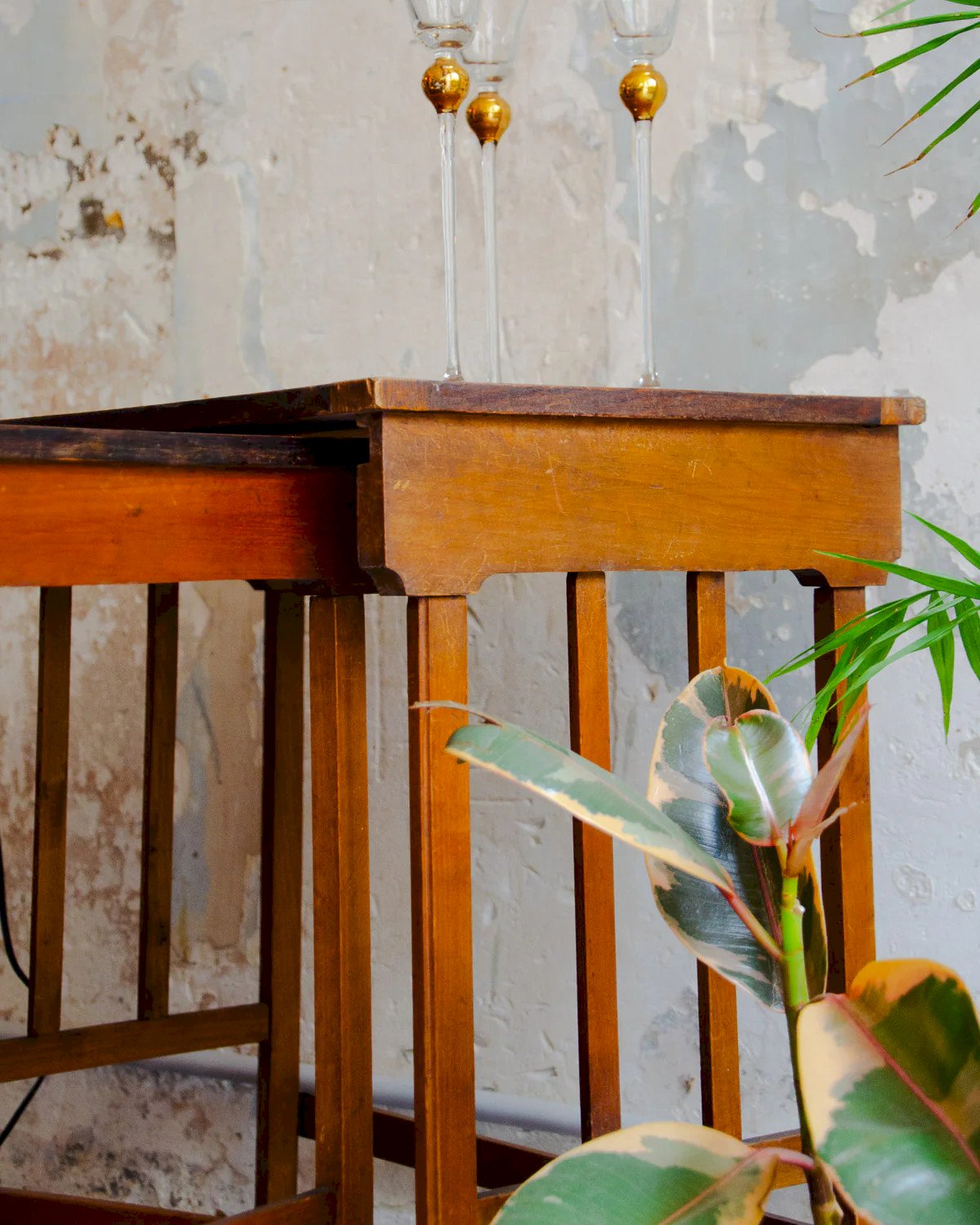
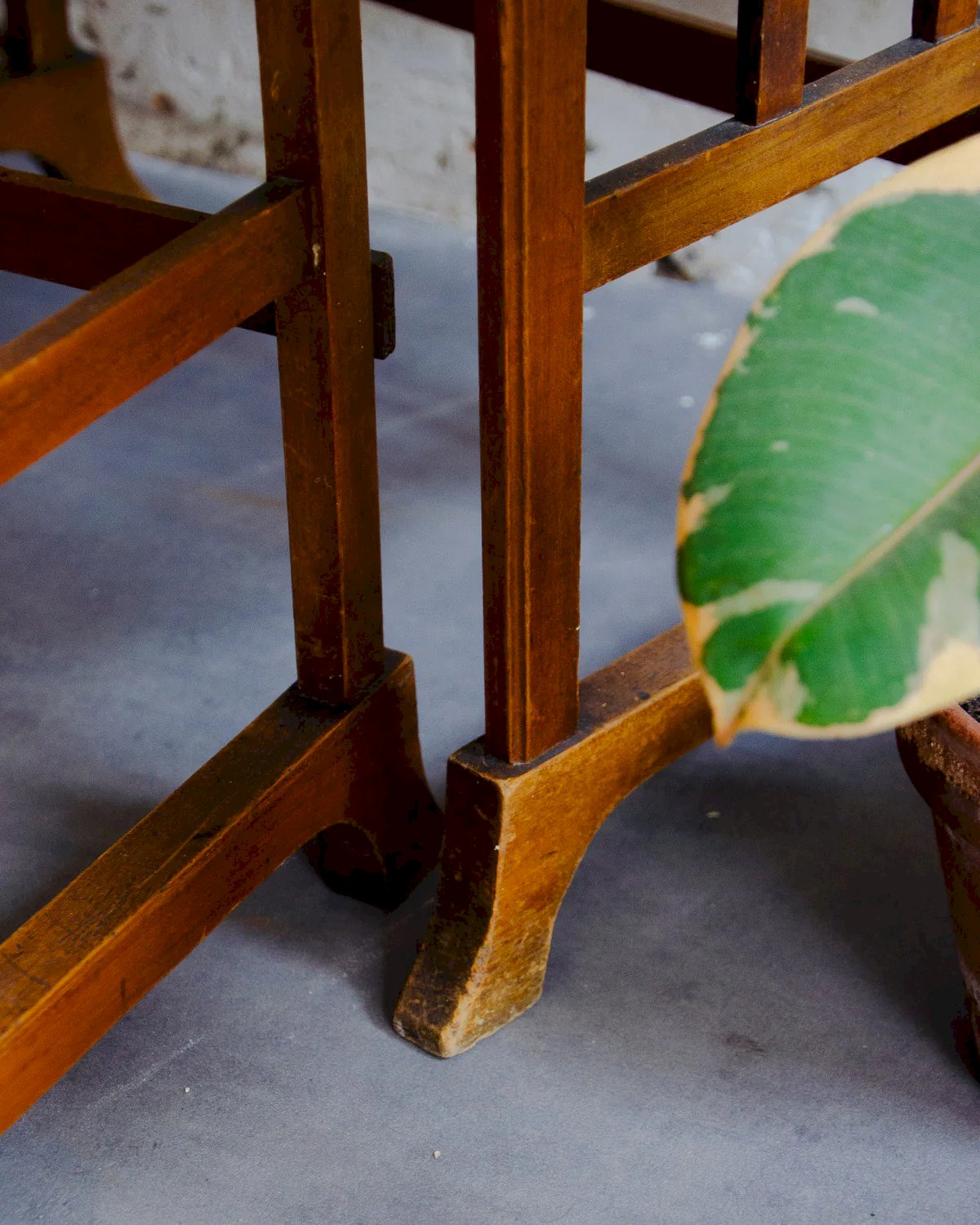
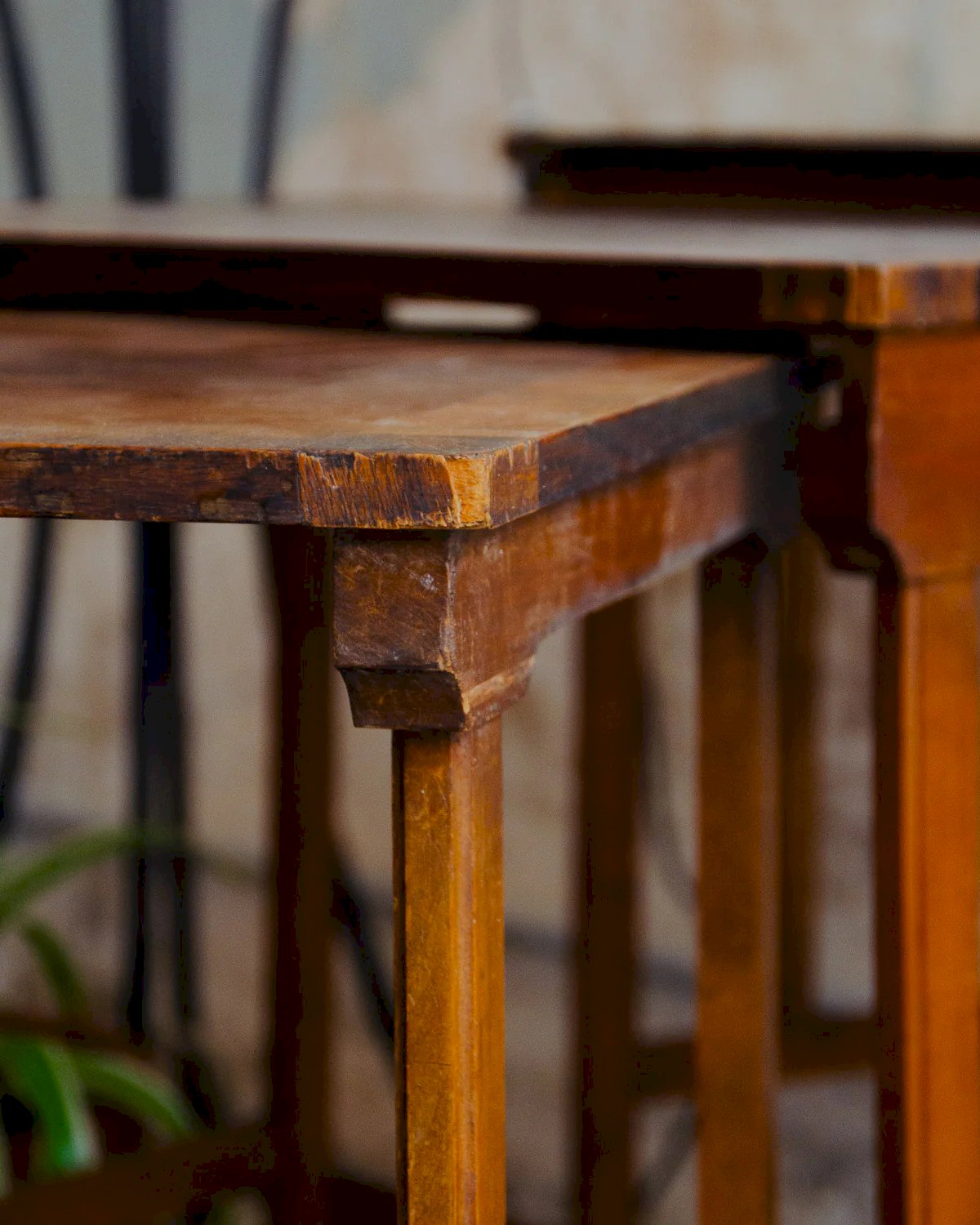
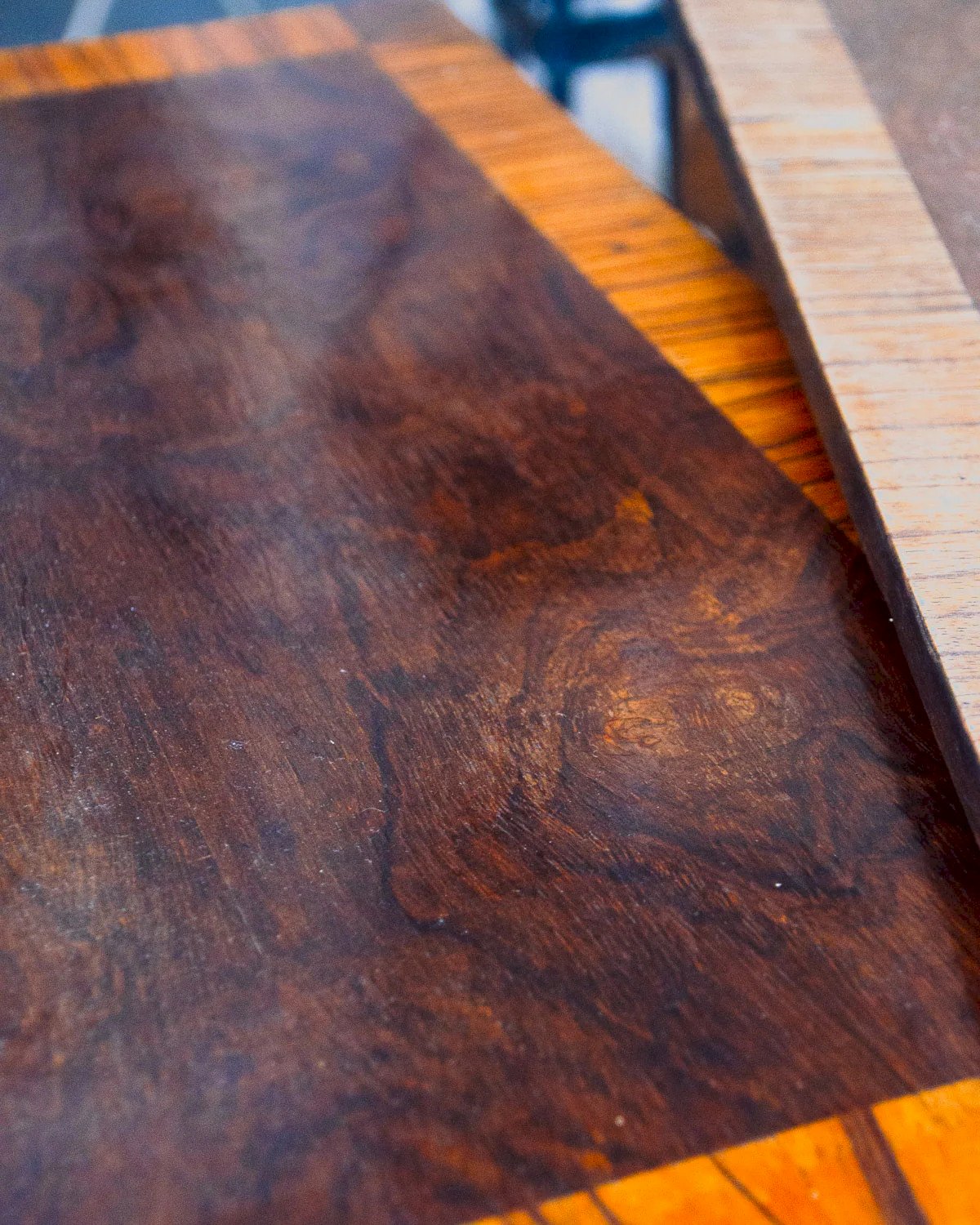
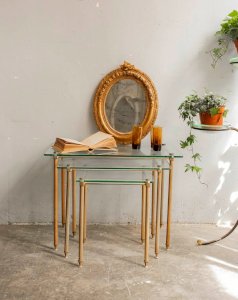
Add this dark wood nesting table set, consisting of three stackable pieces with carefully studied proportions, which combines functionality and understated elegance. Its tops provide modular surfaces for the living room, reading nook, or beside a sofa, sliding one under the other to free up space or expanding as needed. The warm grain of the wood and the sober finish create an intimate and welcoming atmosphere, ideal for a contemporary or more traditional interior. Size L: Width: 60 cm Depth: 37.5 cm Height: 65 cm Size M: Width: 55 cm Depth: 37.5 cm Height: 63 cm Size S: Width: 50 cm Depth: 37.5 cm Height: 60 cm A brief history of nesting tables Invented in the late 18th century by English cabinetmaker Thomas Sheraton, nesting tables are a set of tables with decreasing sizes that fit under one another. Popular during the Art Deco period for their geometry and later reinvented in the 50s and 60s with organic lines, they embody the epitome of modular furniture. They are so named by analogy to Russian dolls, providing an ingenious space-saving solution for small spaces. Versatile, they serve alternately as coffee tables, nightstands, or auxiliary supports according to your immediate needs.
Réf :
#412147
Brand / From : Debongout
Related Products




Comments
Barbara, the nesting table in marquetry No. 152
429€
75002 Paris
Ce site contient des liens d’affiliation pour lesquels je peux recevoir une compensation.
Description
Add this dark wood nesting table set, consisting of three stackable pieces with carefully studied proportions, which combines functionality and understated elegance. Its tops provide modular surfaces for the living room, reading nook, or beside a sofa, sliding one under the other to free up space or expanding as needed. The warm grain of the wood and the sober finish create an intimate and welcoming atmosphere, ideal for a contemporary or more traditional interior. Size L: Width: 60 cm Depth: 37.5 cm Height: 65 cm Size M: Width: 55 cm Depth: 37.5 cm Height: 63 cm Size S: Width: 50 cm Depth: 37.5 cm Height: 60 cm A brief history of nesting tables Invented in the late 18th century by English cabinetmaker Thomas Sheraton, nesting tables are a set of tables with decreasing sizes that fit under one another. Popular during the Art Deco period for their geometry and later reinvented in the 50s and 60s with organic lines, they embody the epitome of modular furniture. They are so named by analogy to Russian dolls, providing an ingenious space-saving solution for small spaces. Versatile, they serve alternately as coffee tables, nightstands, or auxiliary supports according to your immediate needs.
Réf :
#412147
Brand / From : Debongout