 English
 Français


Description
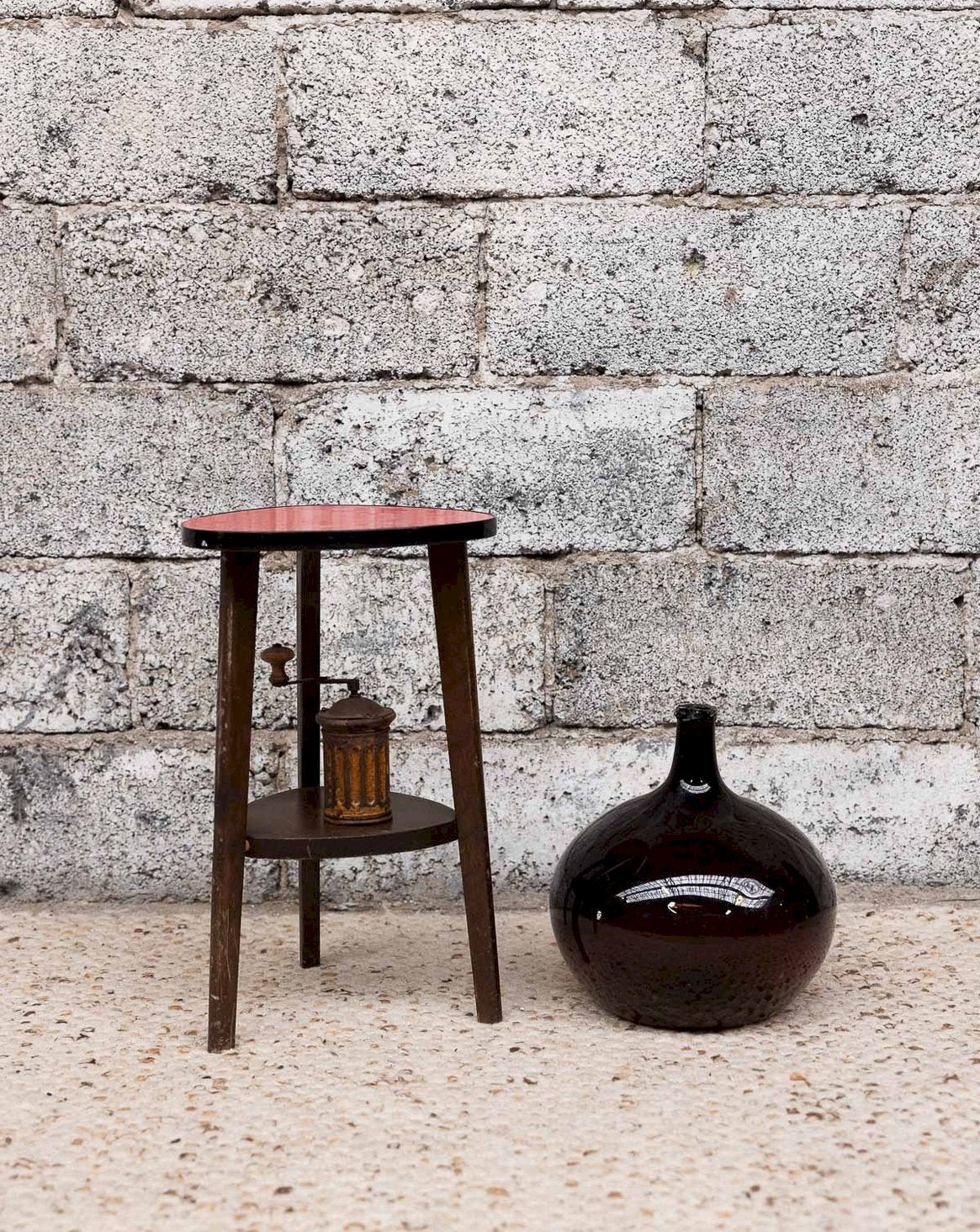
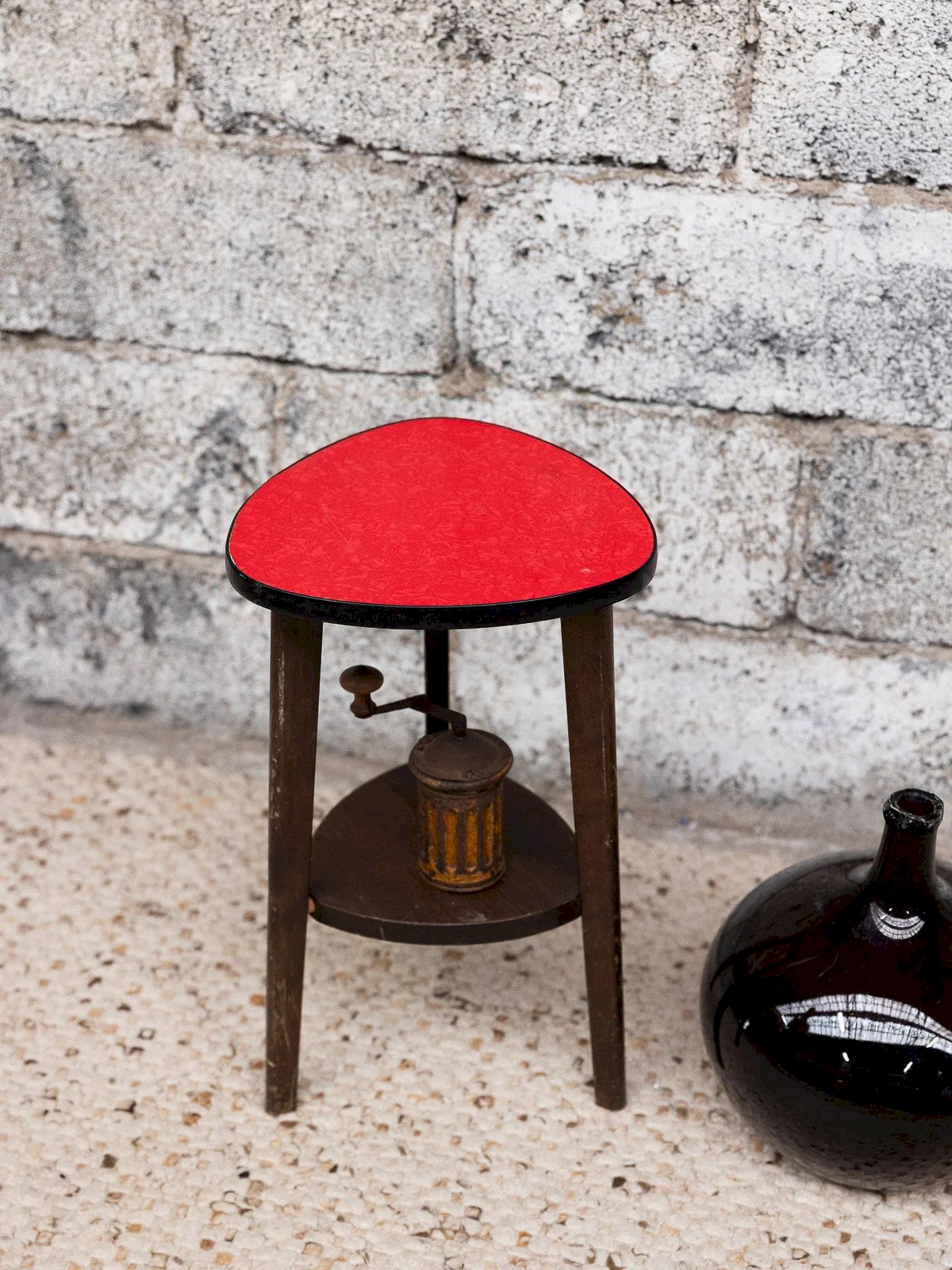
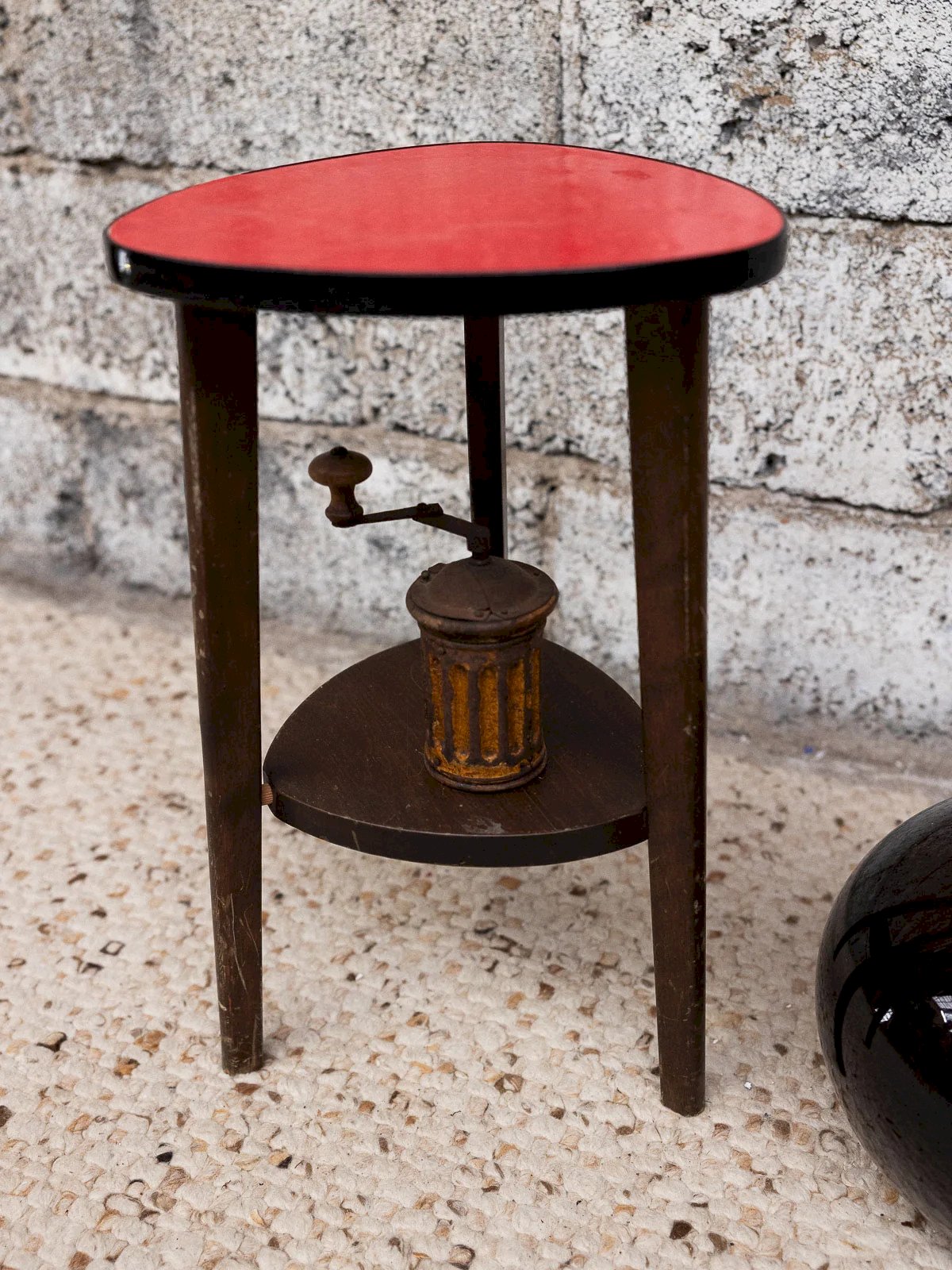
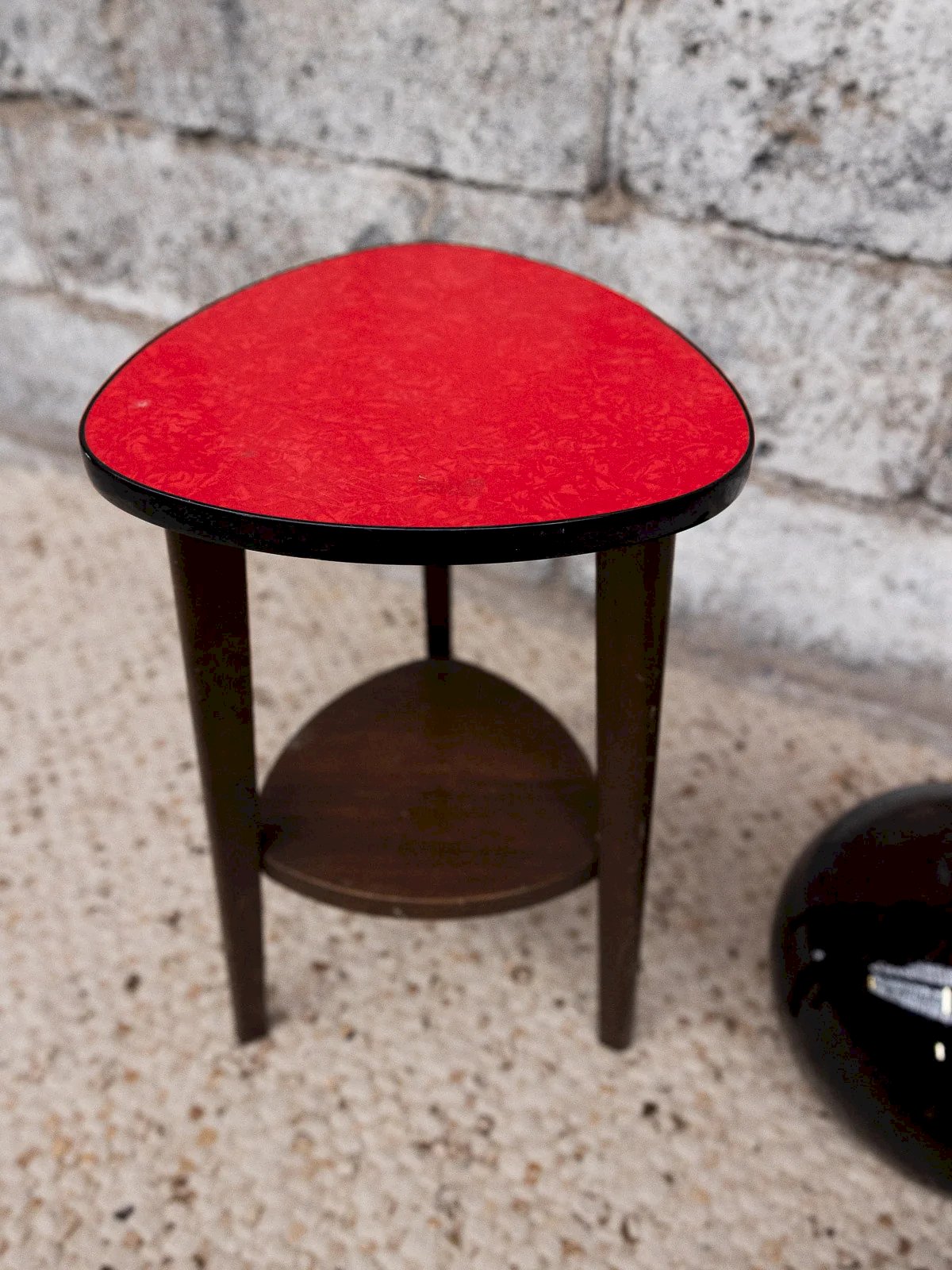
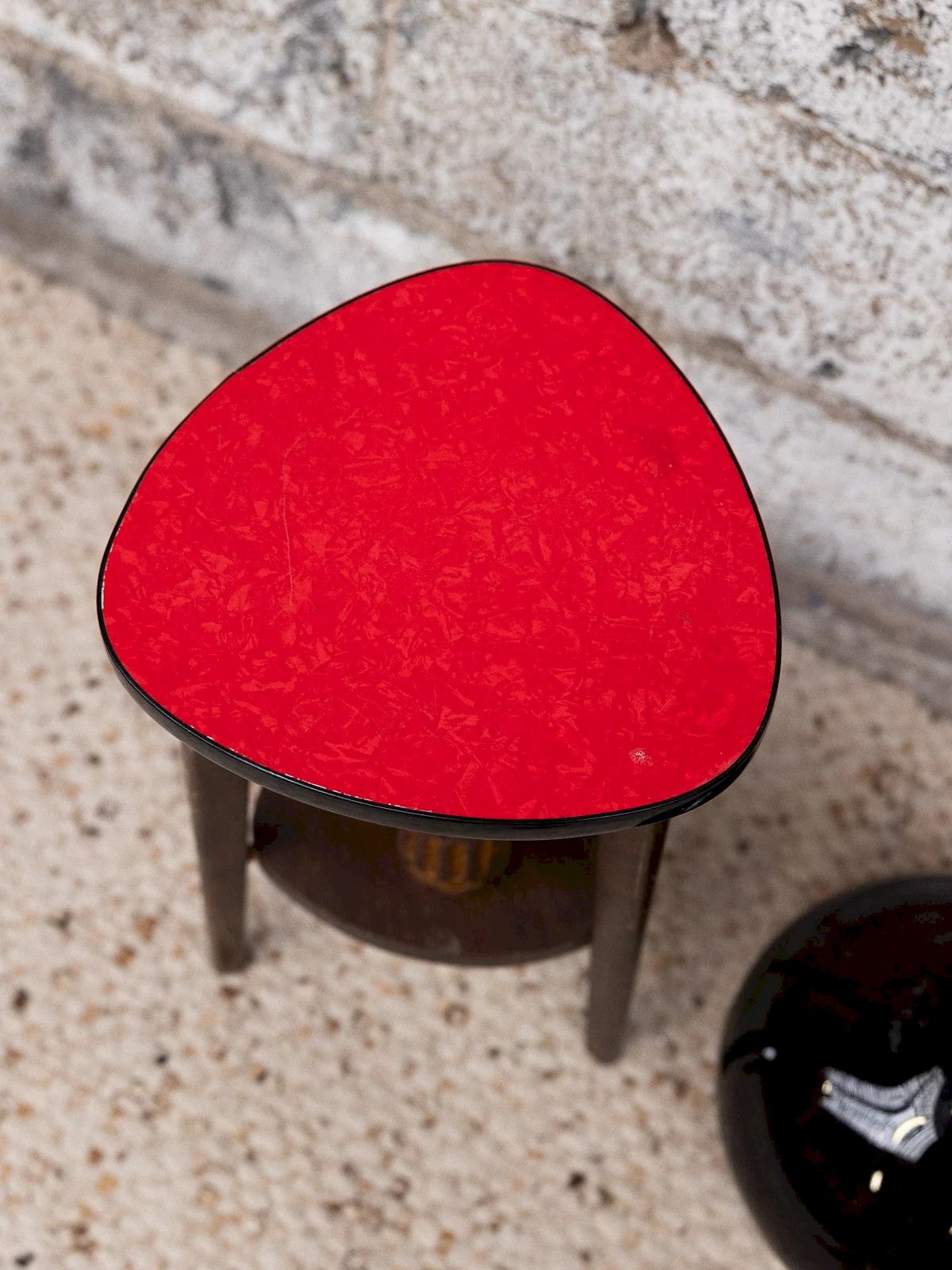
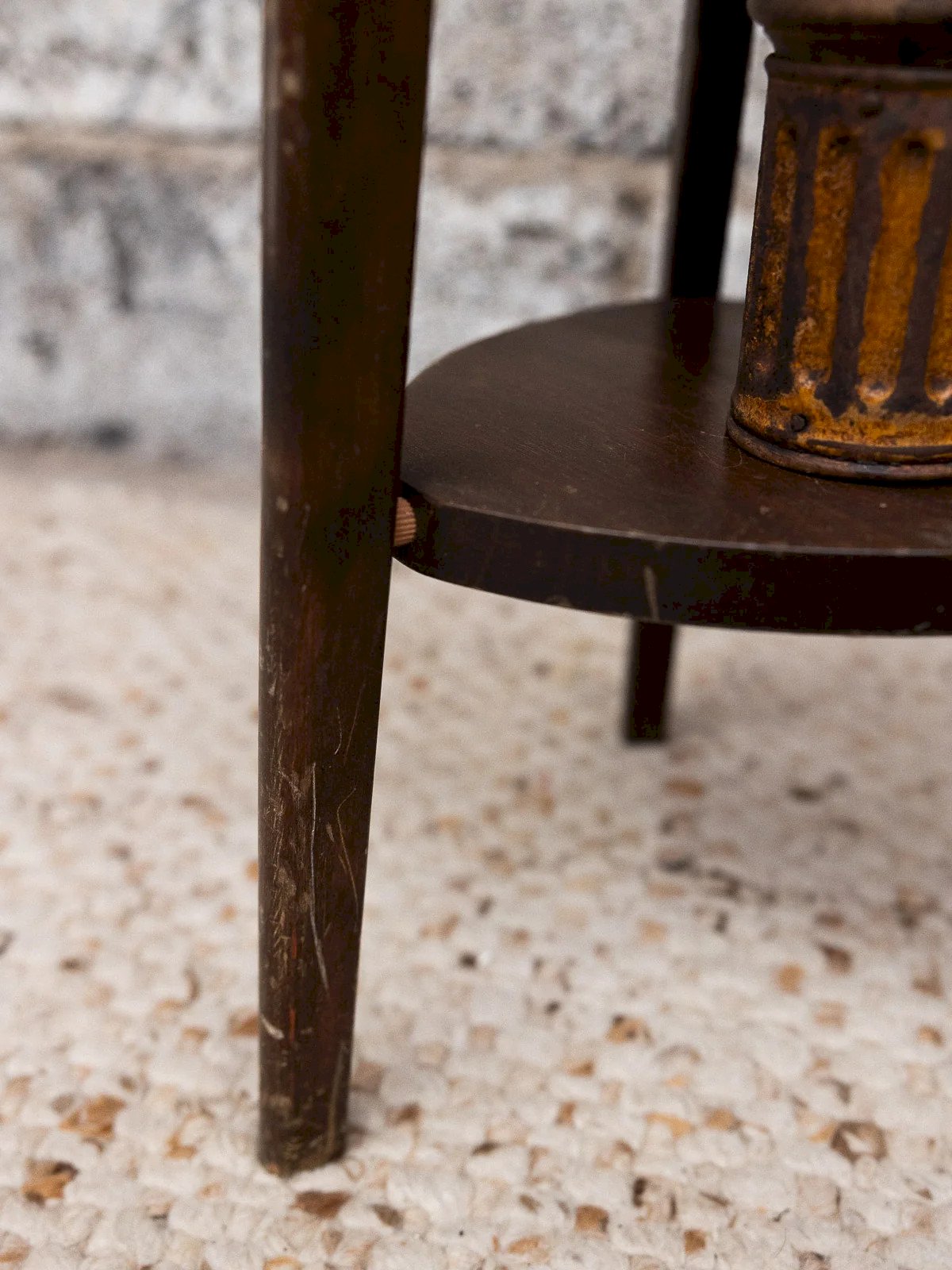
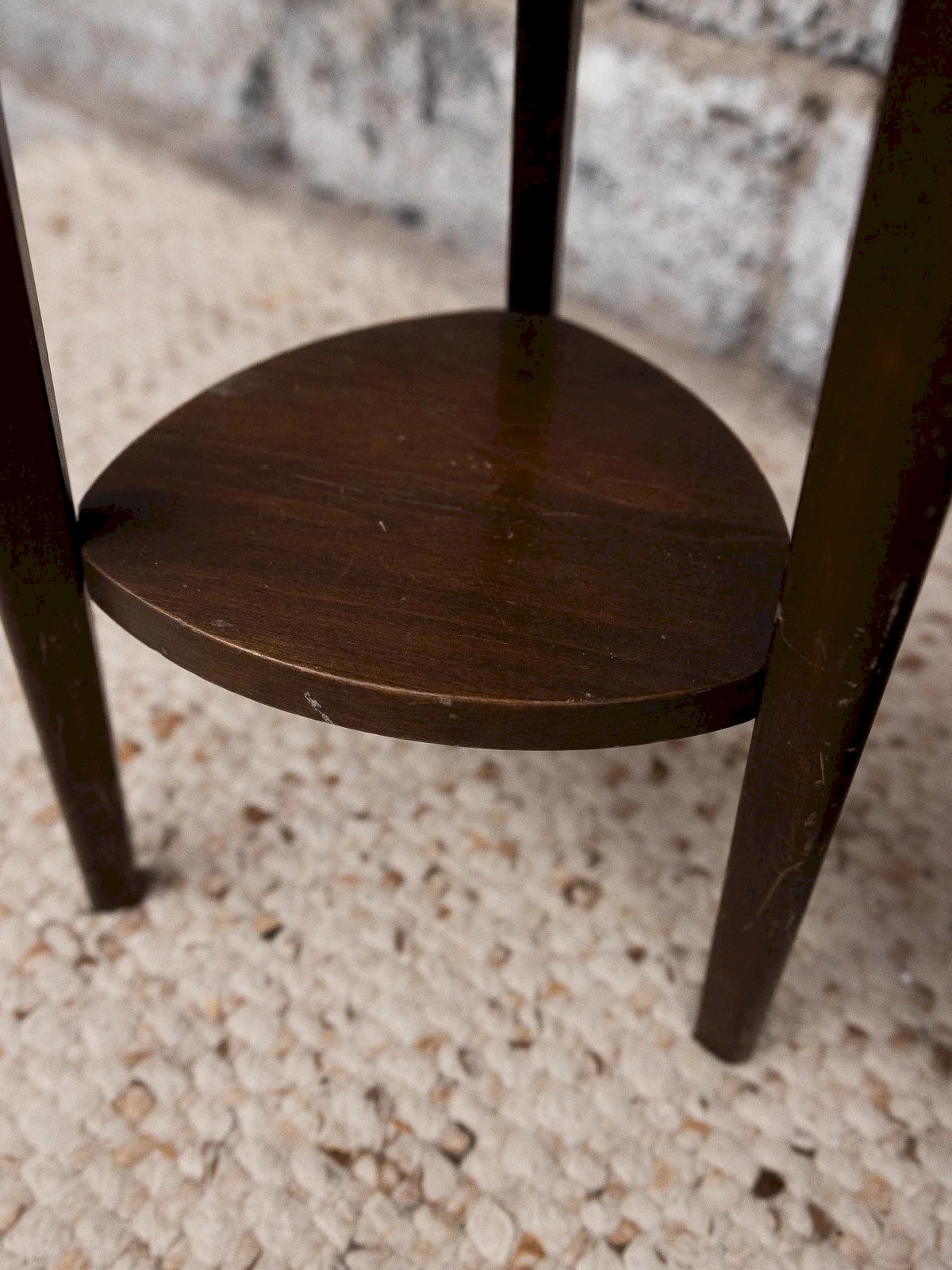
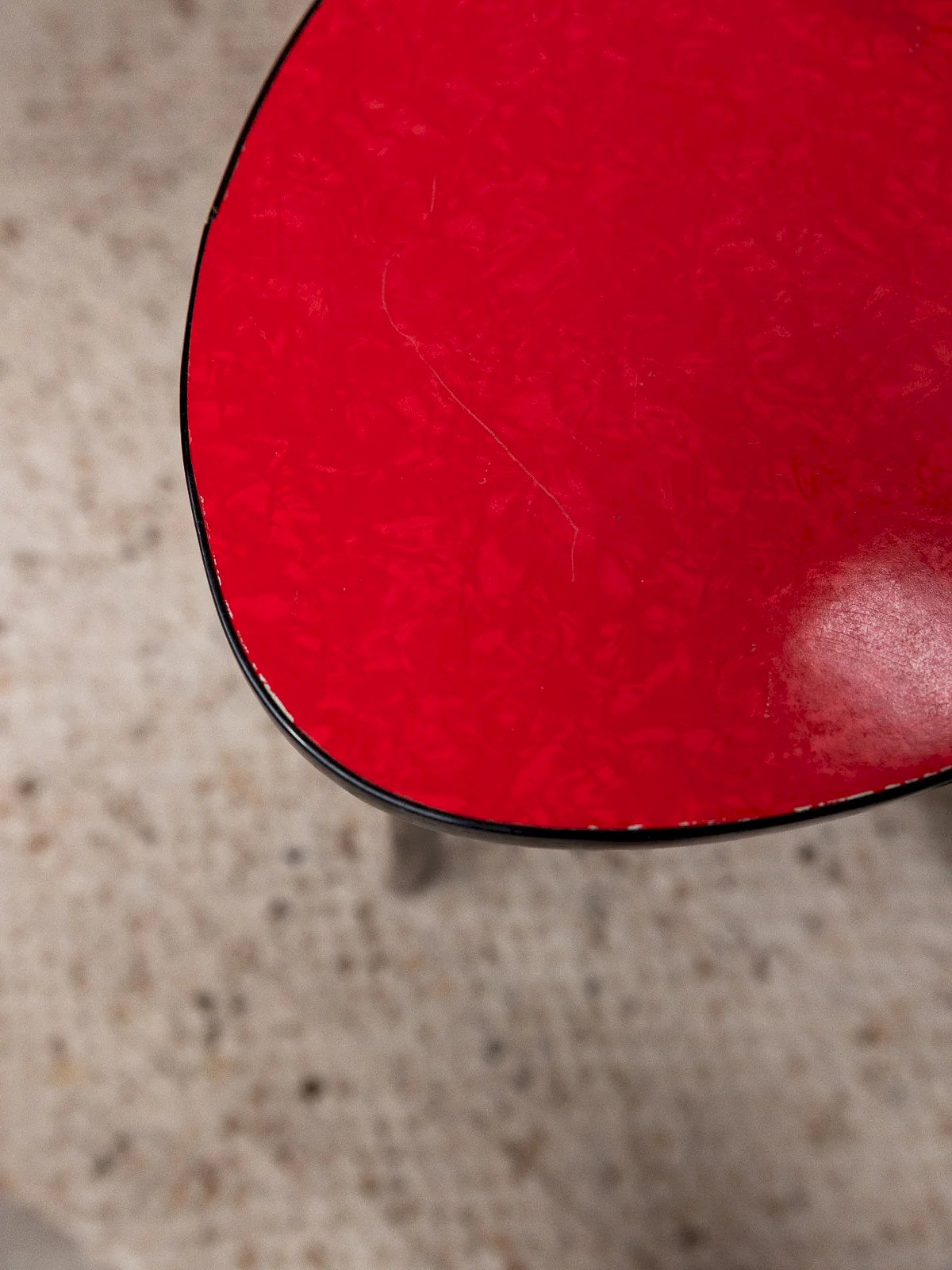
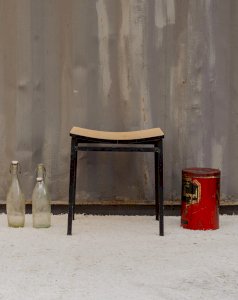
Adopt this contemporary stool with a sleek design, made from wood, that will bring a touch of modernity to your interior. Its tripod structure ensures ideal stability, while its vibrant red seat creates a striking contrast, perfect for brightening up a dining corner or a living space. Elegant and functional, this stool fits harmoniously into various decorating styles, from the most minimalist to the boldest. Some signs of use that testify to its history. Height: 51 cm Diameter: 31 cm A little history of the stool As the oldest seat in history, the stool is the direct ancestor of the chair, distinguished by the absence of a backrest and armrests. In the Middle Ages, it was the universal seat of the people, while among the nobility, the "right to the stool" became a highly codified court privilege, allowing ladies to sit in the presence of the king. Its structure, resting on three or four legs, is a feat of stability and lightness, designed to be slid under a table or moved with a single gesture. Whether made of raw wood or in an industrial style, it embodies the essential space-saving furniture today, offering a supplementary seat that never clutters the view.
Réf :
#413072
Brand / From : Debongout
Color(s) : Multicolored
Material : Wood
Related Products



Comments
Axel, the tripod stool No. 721
149€
75002 Paris
Ce site contient des liens d’affiliation pour lesquels je peux recevoir une compensation.
Description
Adopt this contemporary stool with a sleek design, made from wood, that will bring a touch of modernity to your interior. Its tripod structure ensures ideal stability, while its vibrant red seat creates a striking contrast, perfect for brightening up a dining corner or a living space. Elegant and functional, this stool fits harmoniously into various decorating styles, from the most minimalist to the boldest. Some signs of use that testify to its history. Height: 51 cm Diameter: 31 cm A little history of the stool As the oldest seat in history, the stool is the direct ancestor of the chair, distinguished by the absence of a backrest and armrests. In the Middle Ages, it was the universal seat of the people, while among the nobility, the "right to the stool" became a highly codified court privilege, allowing ladies to sit in the presence of the king. Its structure, resting on three or four legs, is a feat of stability and lightness, designed to be slid under a table or moved with a single gesture. Whether made of raw wood or in an industrial style, it embodies the essential space-saving furniture today, offering a supplementary seat that never clutters the view.
Réf :
#413072
Brand / From : Debongout
Color(s) : Multicolored
Material : Wood