 English
 Français


Description
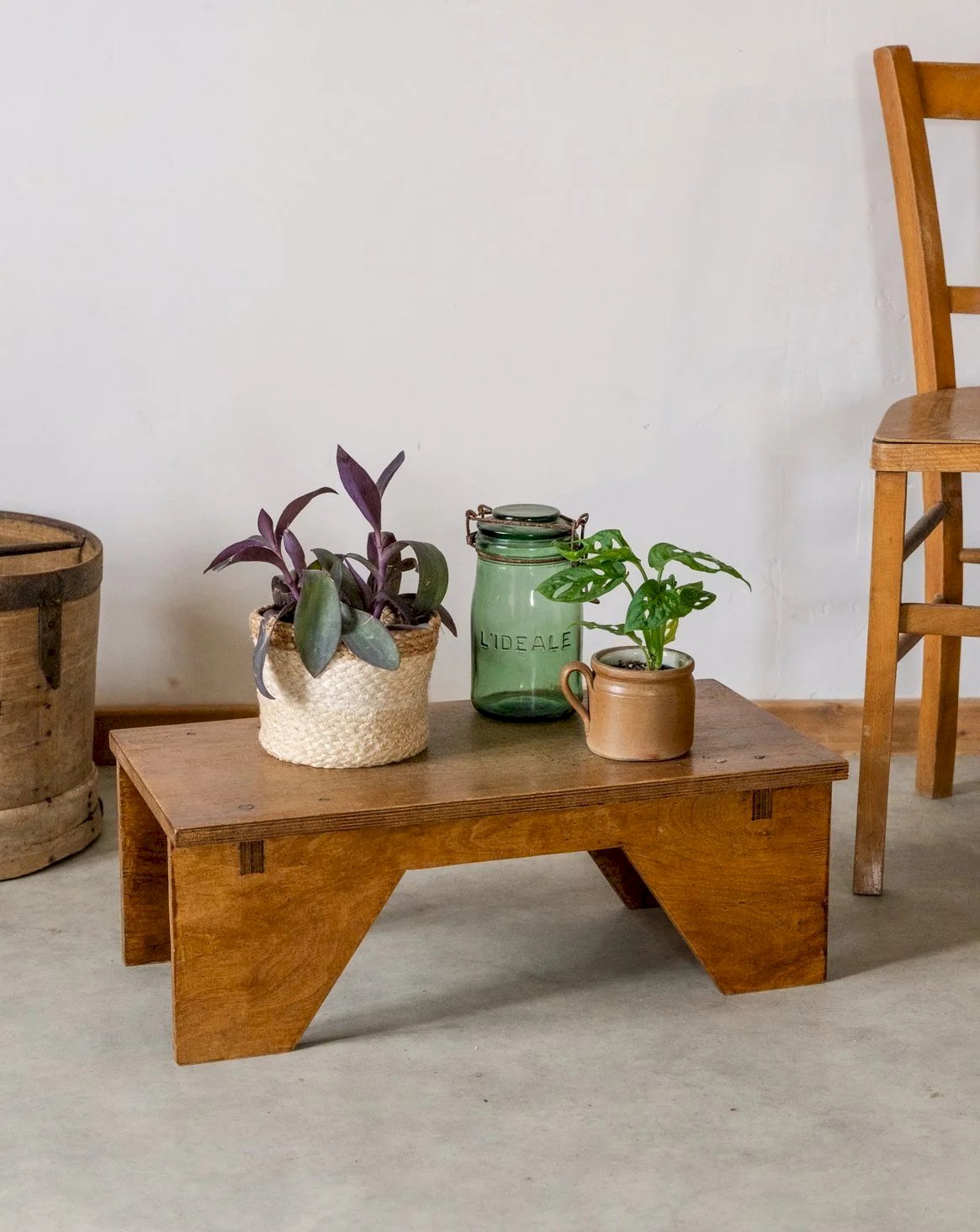
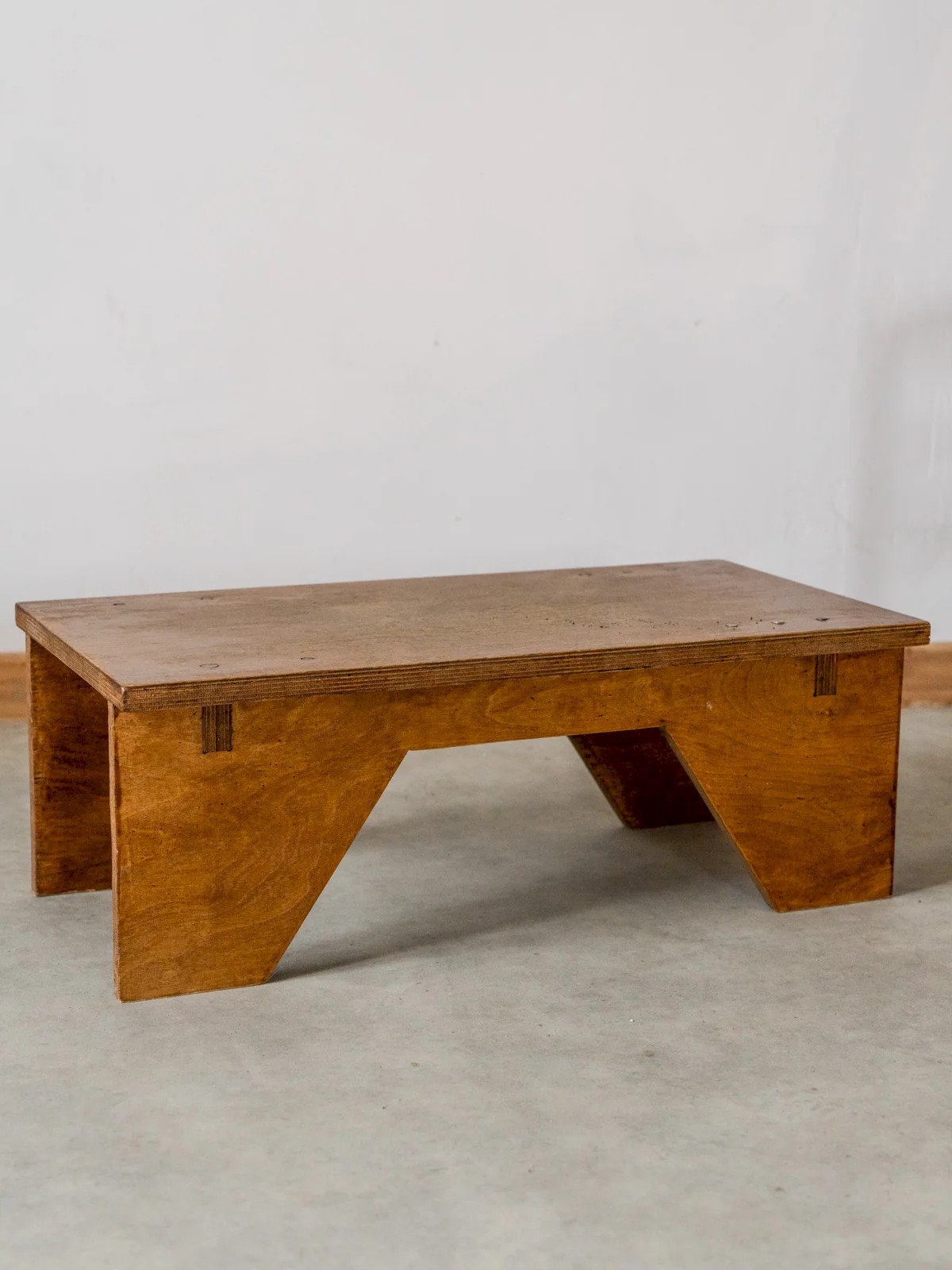
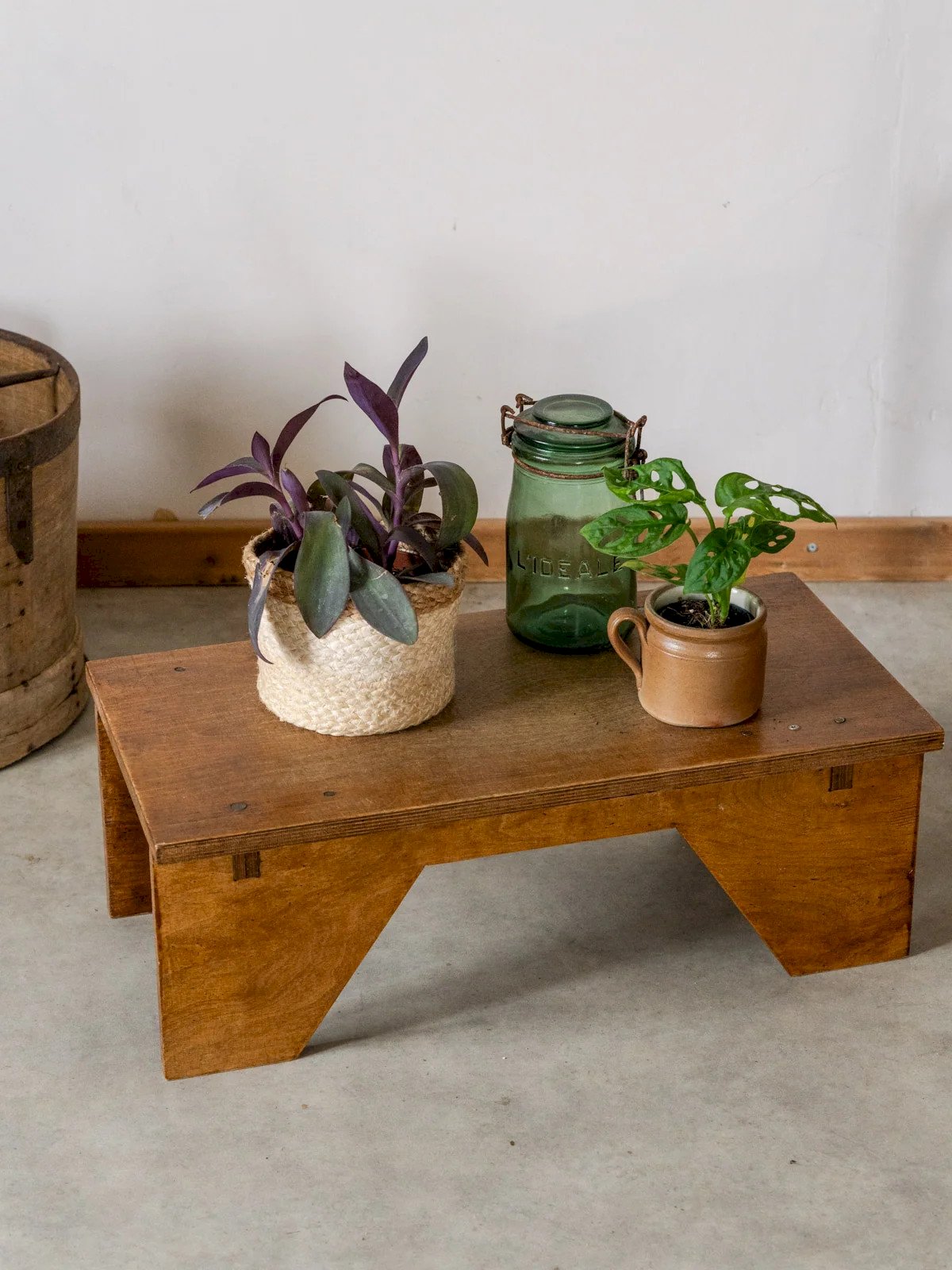
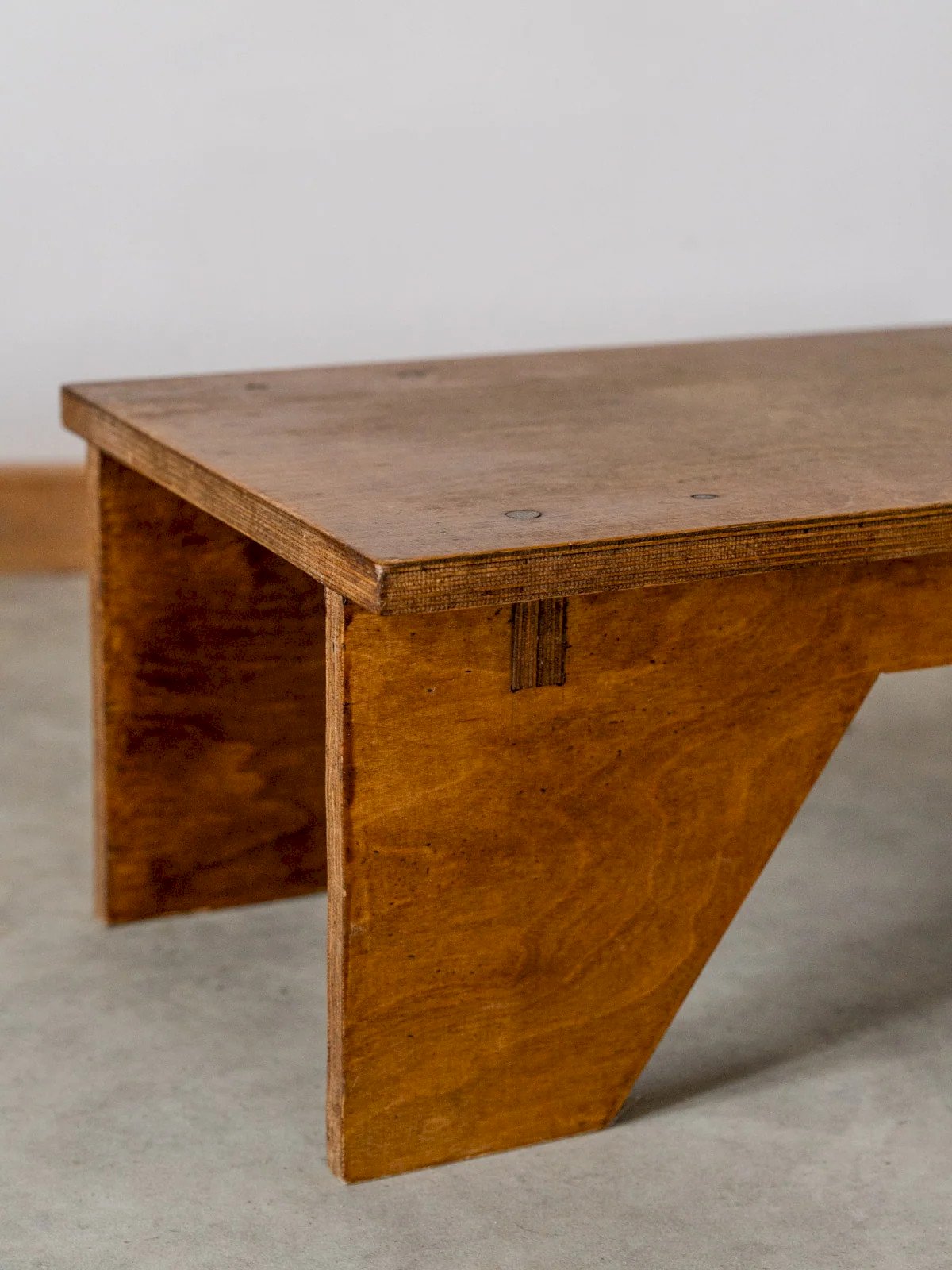
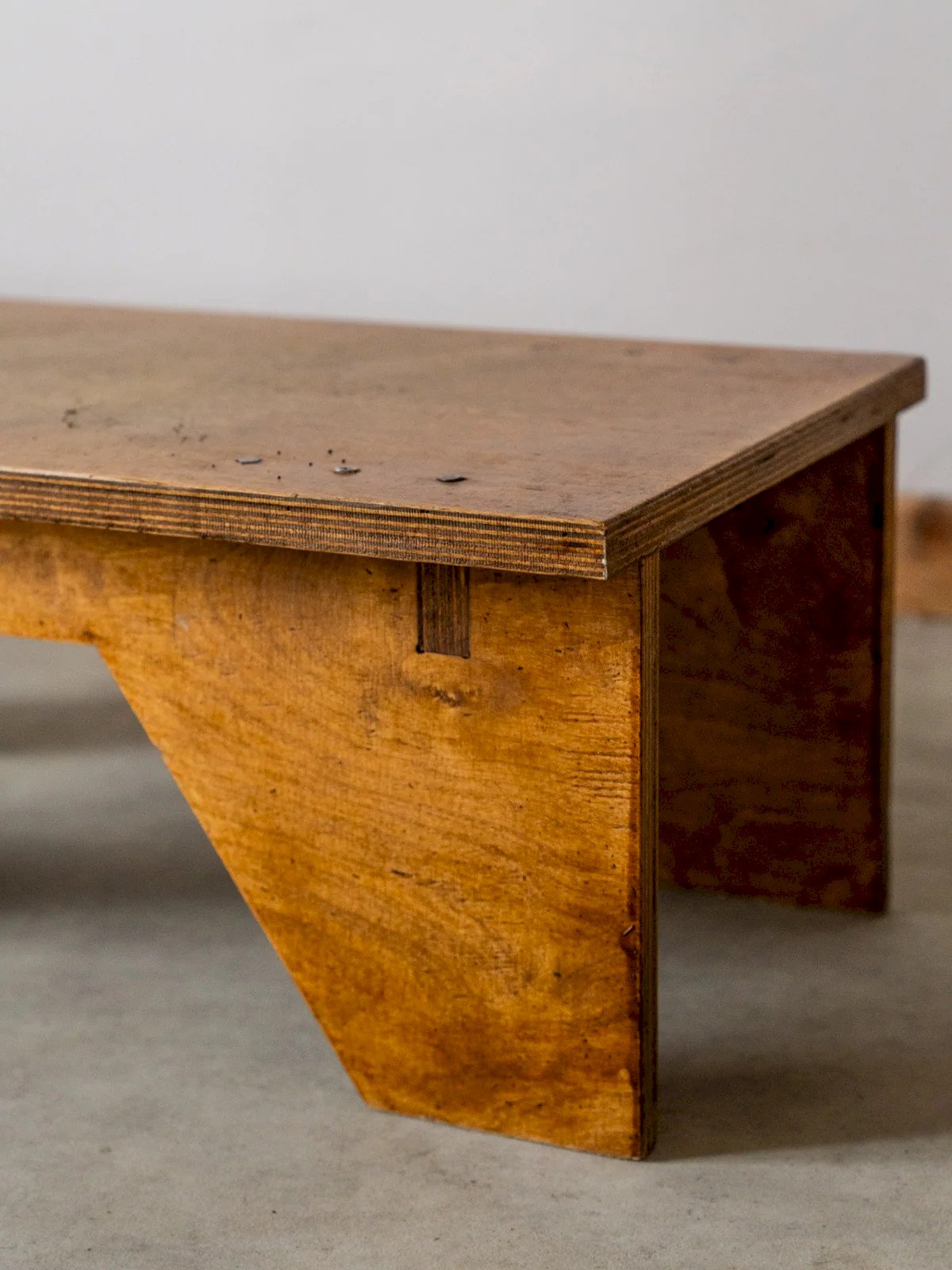
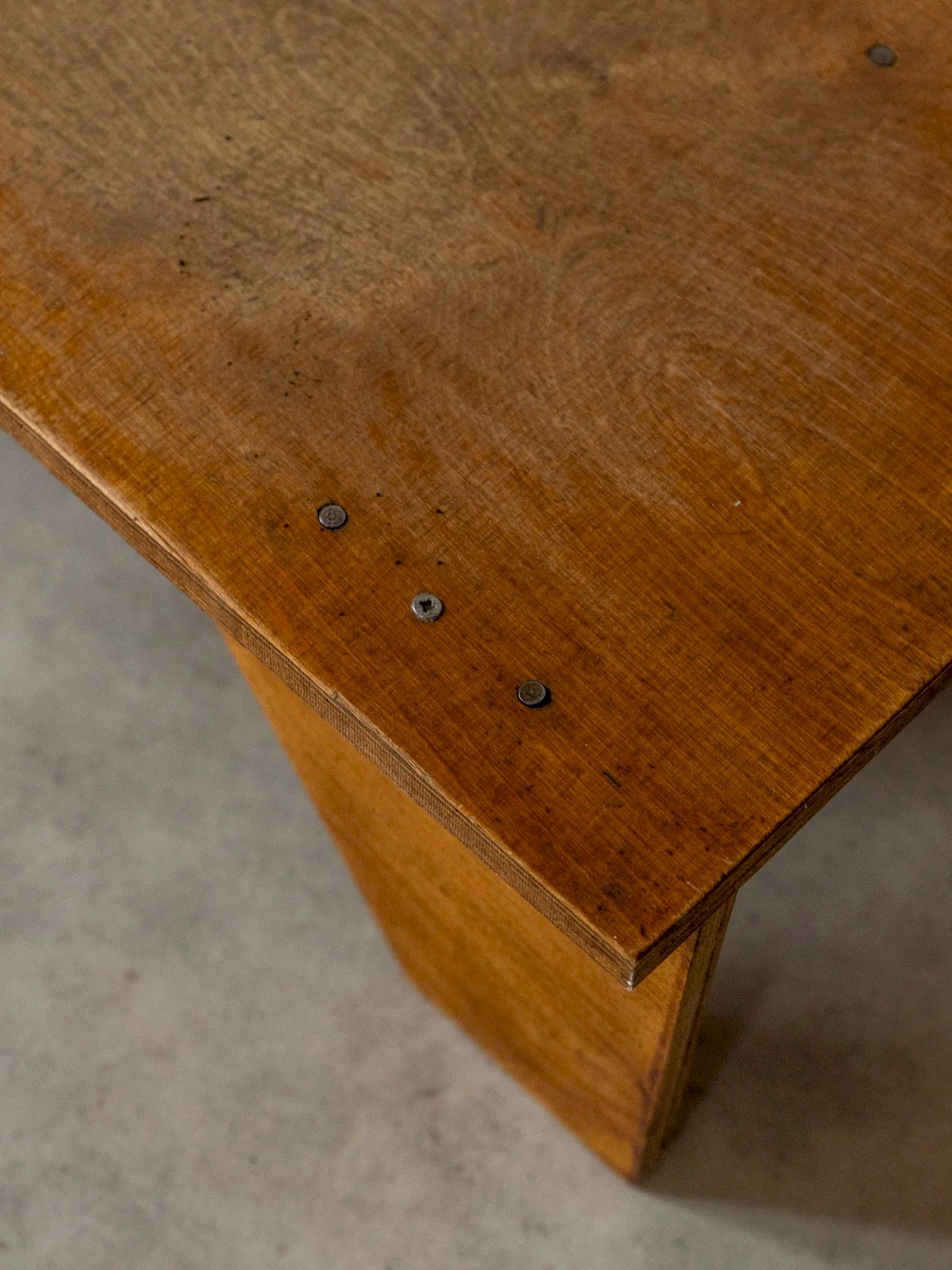
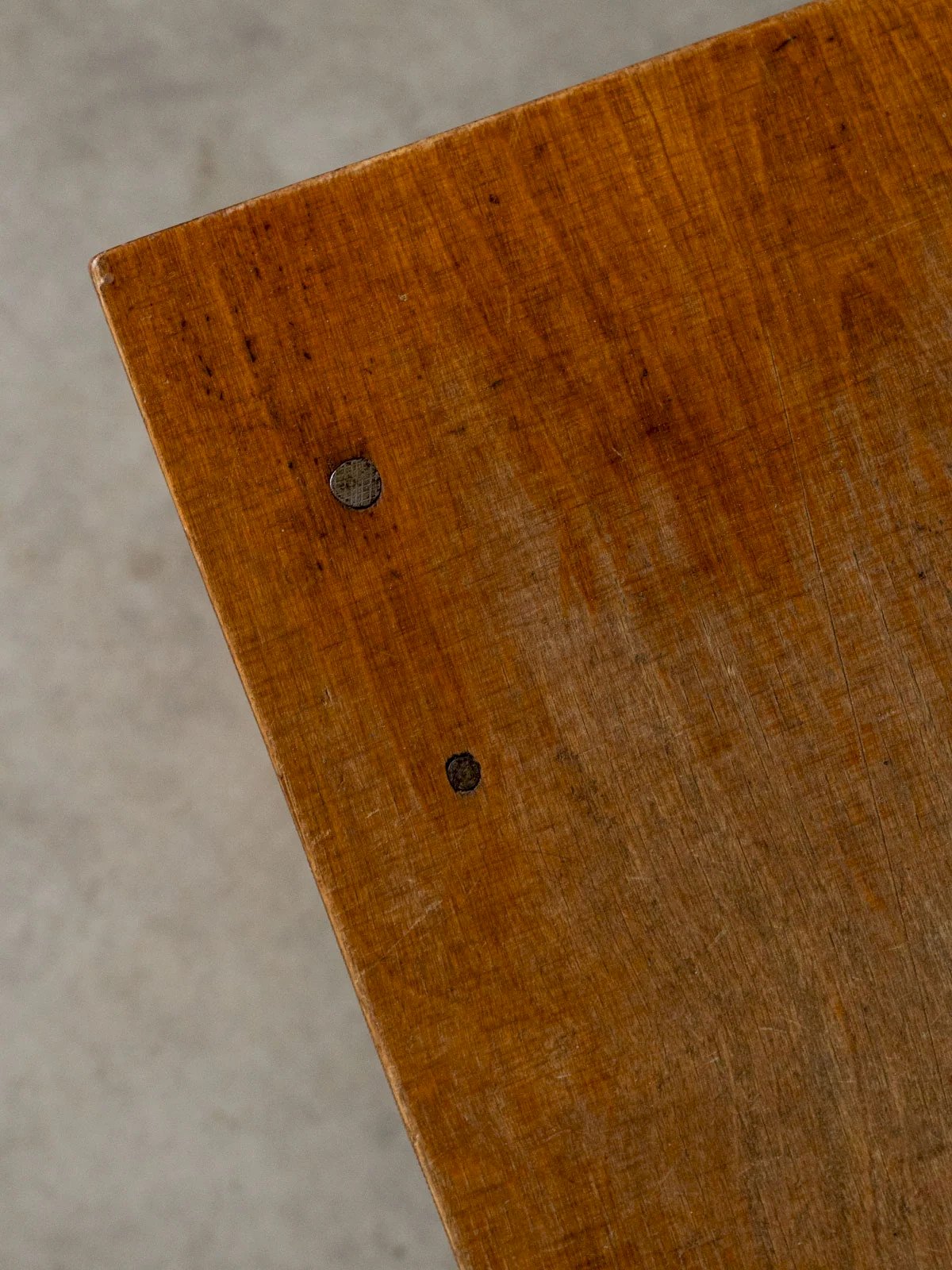
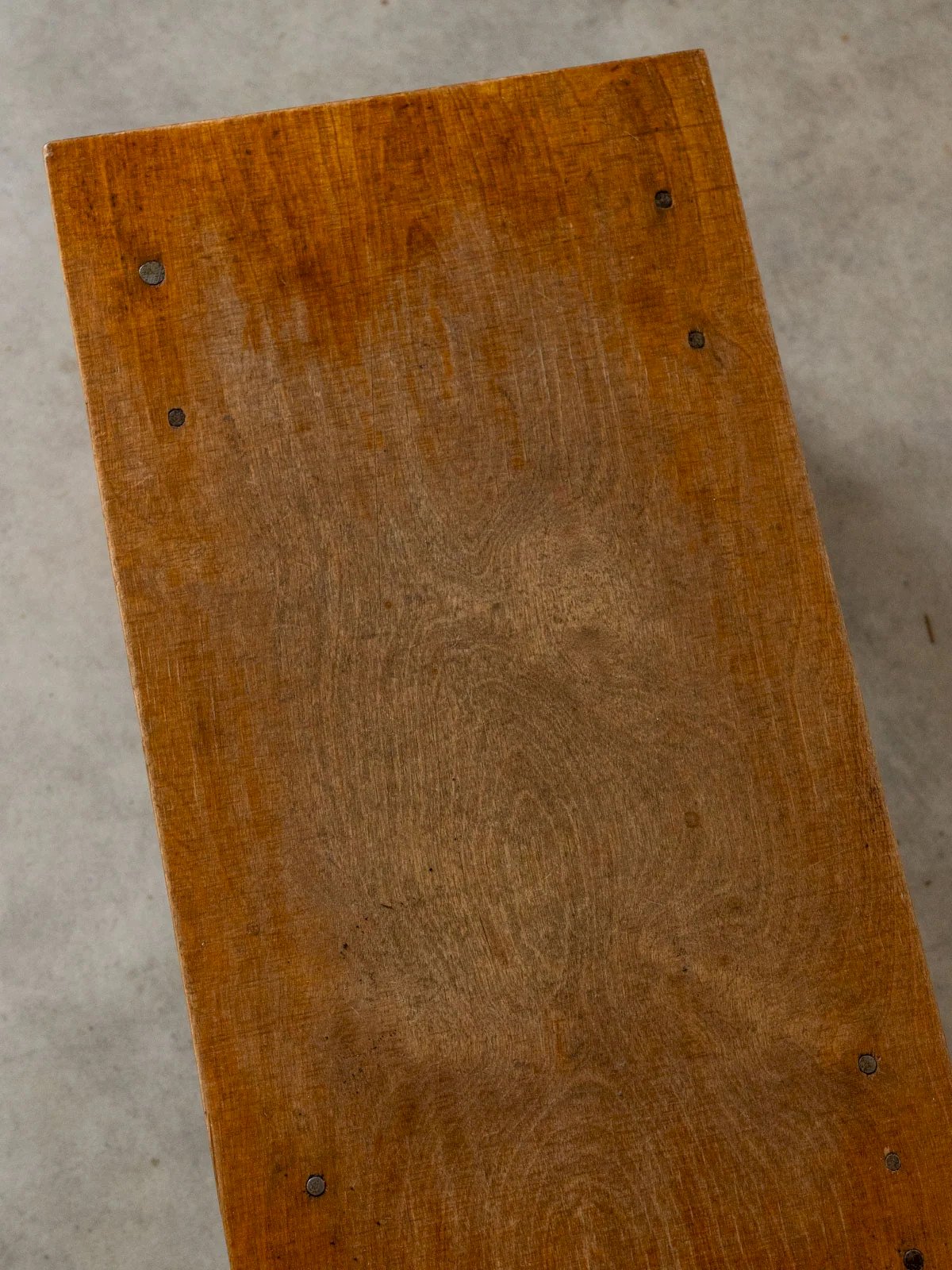
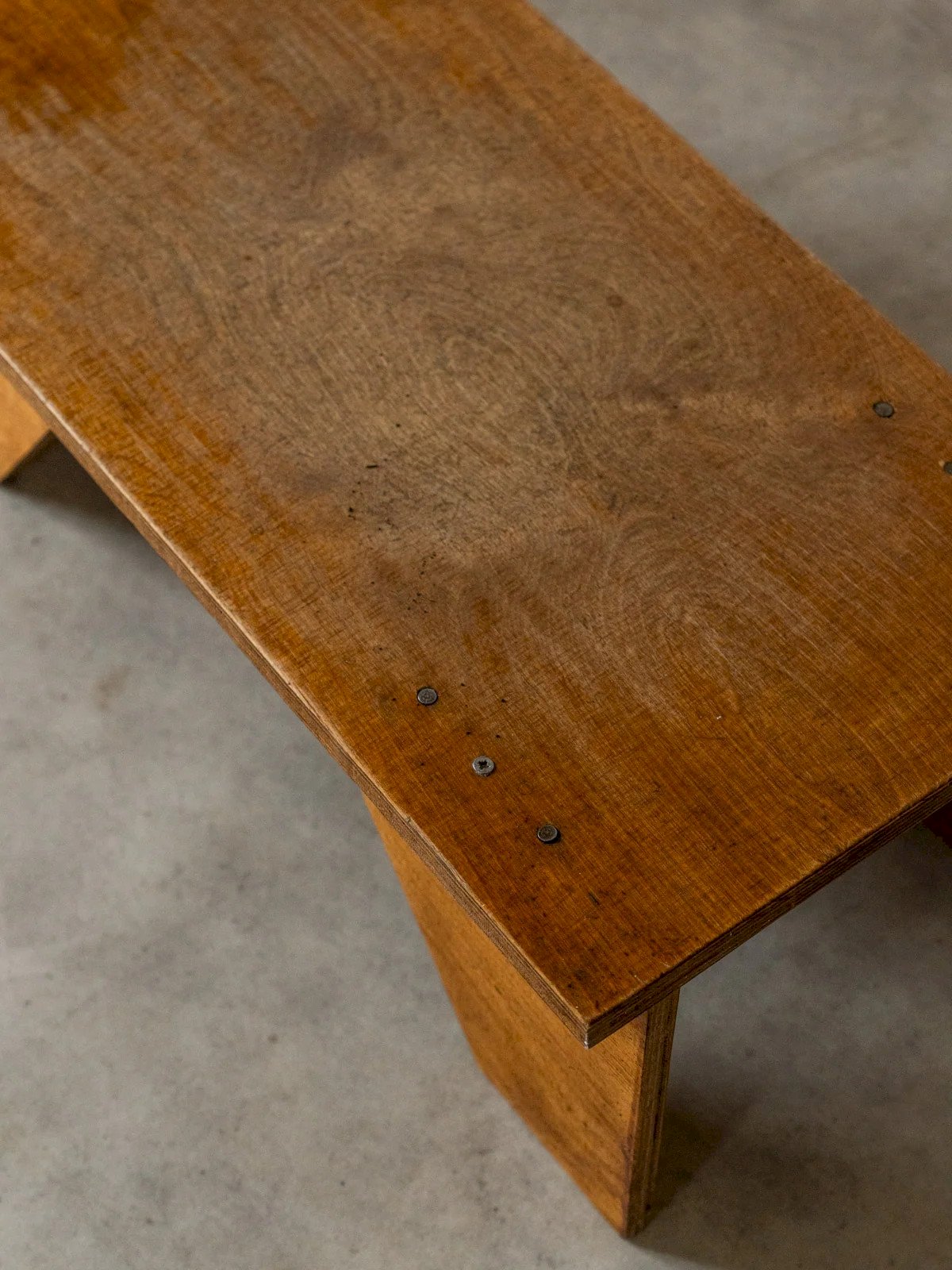
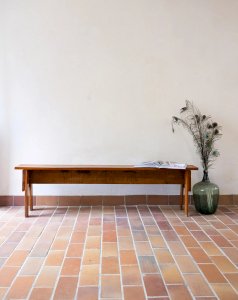
This small wooden bench brings a rustic, simple, and warm touch to an interior. Its low height makes it a comfortable footrest, while still providing enough presence to serve as a plant stand. Placed in the living room, it can also complement a reading nook without weighing down the overall look. Next to a coffee table, it gladly welcomes a potted terracotta plant and a book laid flat. Length: 60 cm Width: 30 cm Height: 22 cm A brief history of the stool As the oldest seating option in history, the stool is the direct ancestor of the chair, distinguished by its lack of backrest and armrests. In the Middle Ages, it was the universal seat for the common people, while among the nobility, the "right to the stool" became a highly codified court privilege, allowing ladies to sit in the presence of the king. Its structure, resting on three or four legs, is a feat of stability and lightness, designed to be easily slid under a table or moved with a gesture. Whether it is a rustic farmhouse style or industrial design, it embodies the quintessential space-saving furniture today, offering an extra seat that never clutters the view. A brief history of the bench Did you know that the word "banquet" comes directly from the bench? Since the Middle Ages, this convivial piece of furniture brought guests together around large lordly tables. Whether in a chic country style or industrial design, it stands out for its communal seating and robust nature. Sometimes referred to as a "farm bench" or "settee," it fits into a rustic or vintage aesthetic depending on its patina. Today, it makes its way into an entryway or around a modern table to offer generous seating and an added touch of character.
Réf :
#414849
Brand / From : Debongout
Related Products




Comments
Antoine, the small solid wood plant stand N°556
139€
75002 Paris
Ce site contient des liens d’affiliation pour lesquels je peux recevoir une compensation.
Description
This small wooden bench brings a rustic, simple, and warm touch to an interior. Its low height makes it a comfortable footrest, while still providing enough presence to serve as a plant stand. Placed in the living room, it can also complement a reading nook without weighing down the overall look. Next to a coffee table, it gladly welcomes a potted terracotta plant and a book laid flat. Length: 60 cm Width: 30 cm Height: 22 cm A brief history of the stool As the oldest seating option in history, the stool is the direct ancestor of the chair, distinguished by its lack of backrest and armrests. In the Middle Ages, it was the universal seat for the common people, while among the nobility, the "right to the stool" became a highly codified court privilege, allowing ladies to sit in the presence of the king. Its structure, resting on three or four legs, is a feat of stability and lightness, designed to be easily slid under a table or moved with a gesture. Whether it is a rustic farmhouse style or industrial design, it embodies the quintessential space-saving furniture today, offering an extra seat that never clutters the view. A brief history of the bench Did you know that the word "banquet" comes directly from the bench? Since the Middle Ages, this convivial piece of furniture brought guests together around large lordly tables. Whether in a chic country style or industrial design, it stands out for its communal seating and robust nature. Sometimes referred to as a "farm bench" or "settee," it fits into a rustic or vintage aesthetic depending on its patina. Today, it makes its way into an entryway or around a modern table to offer generous seating and an added touch of character.
Réf :
#414849
Brand / From : Debongout