 English
 Français


Description
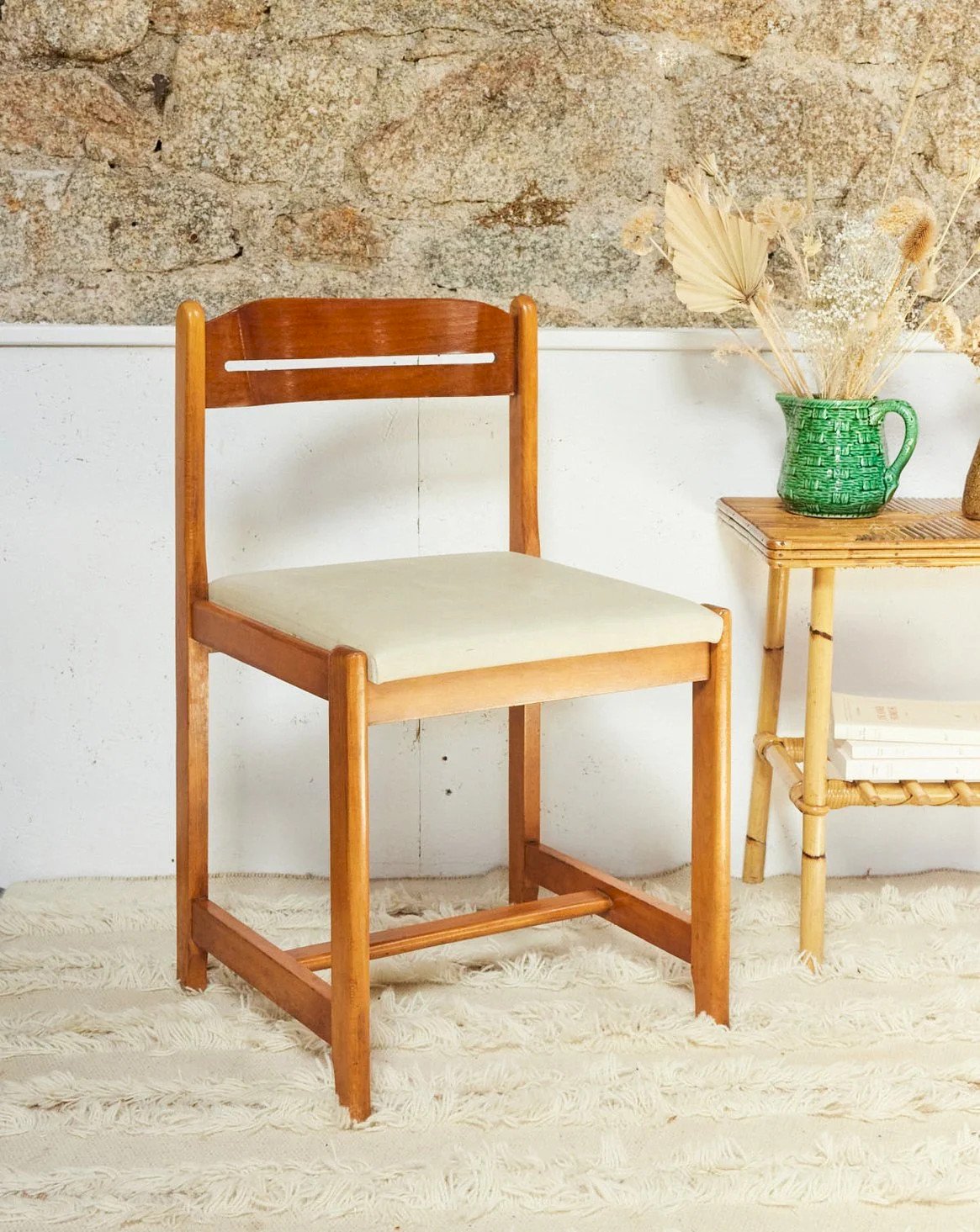
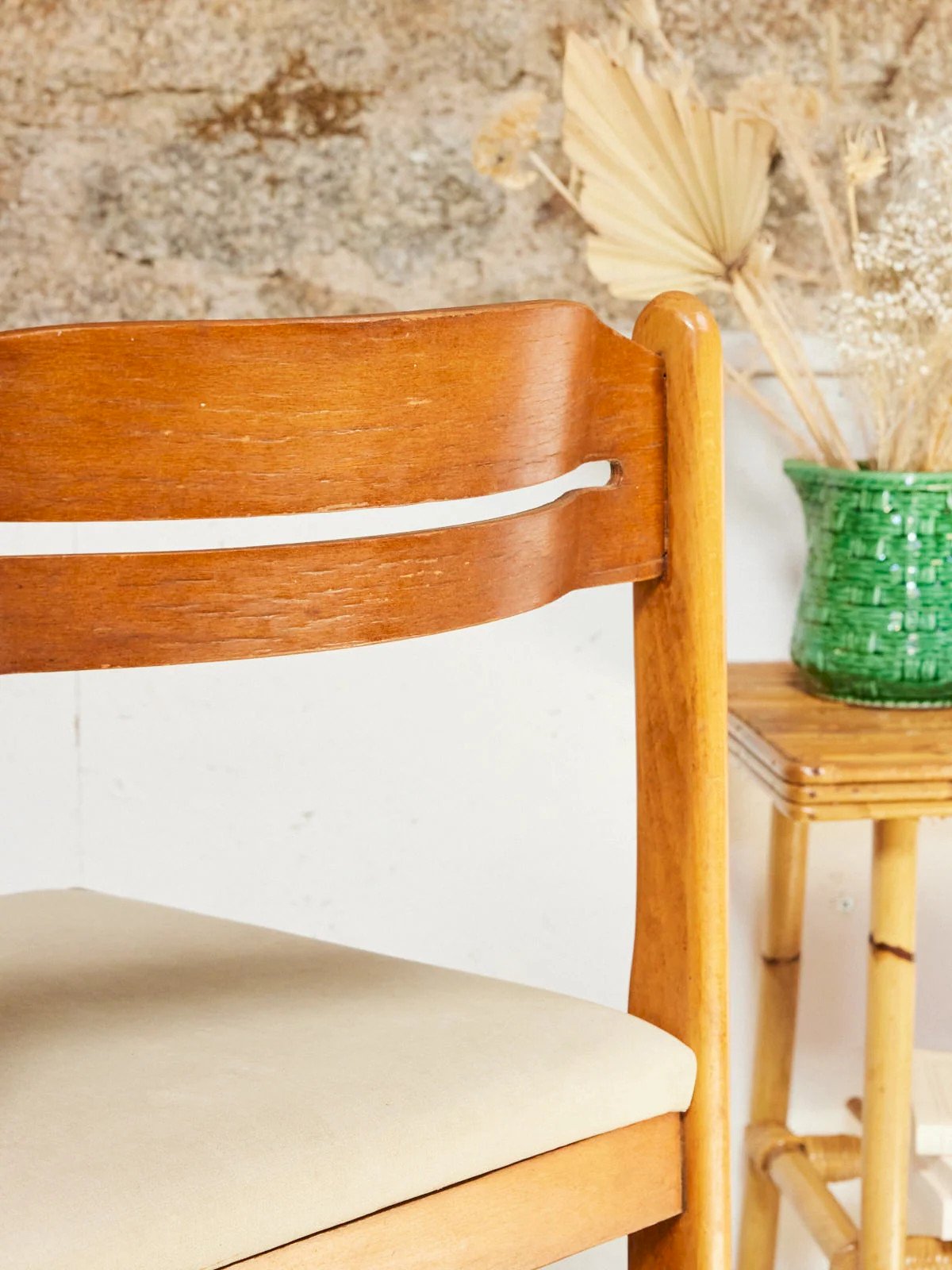
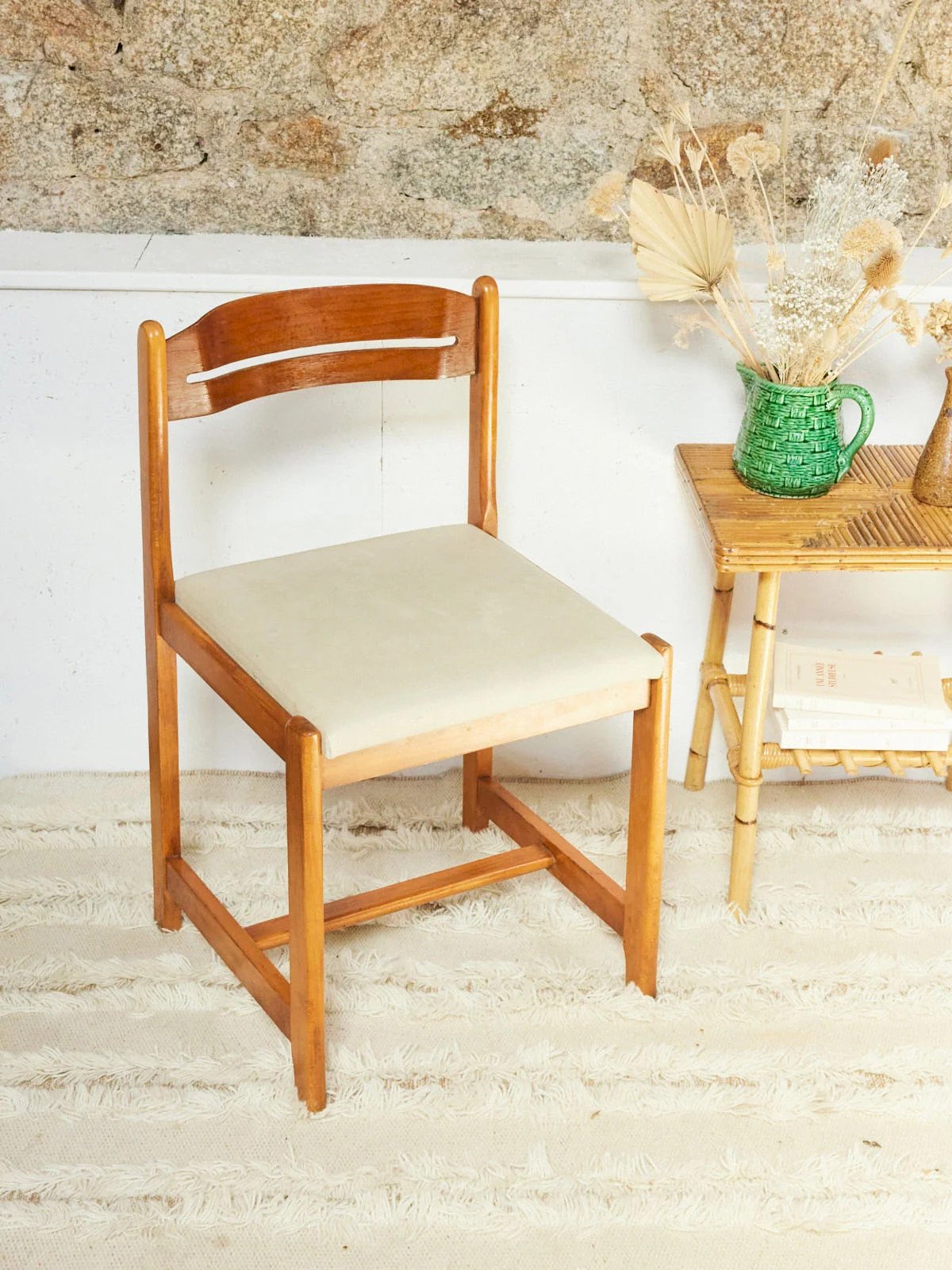
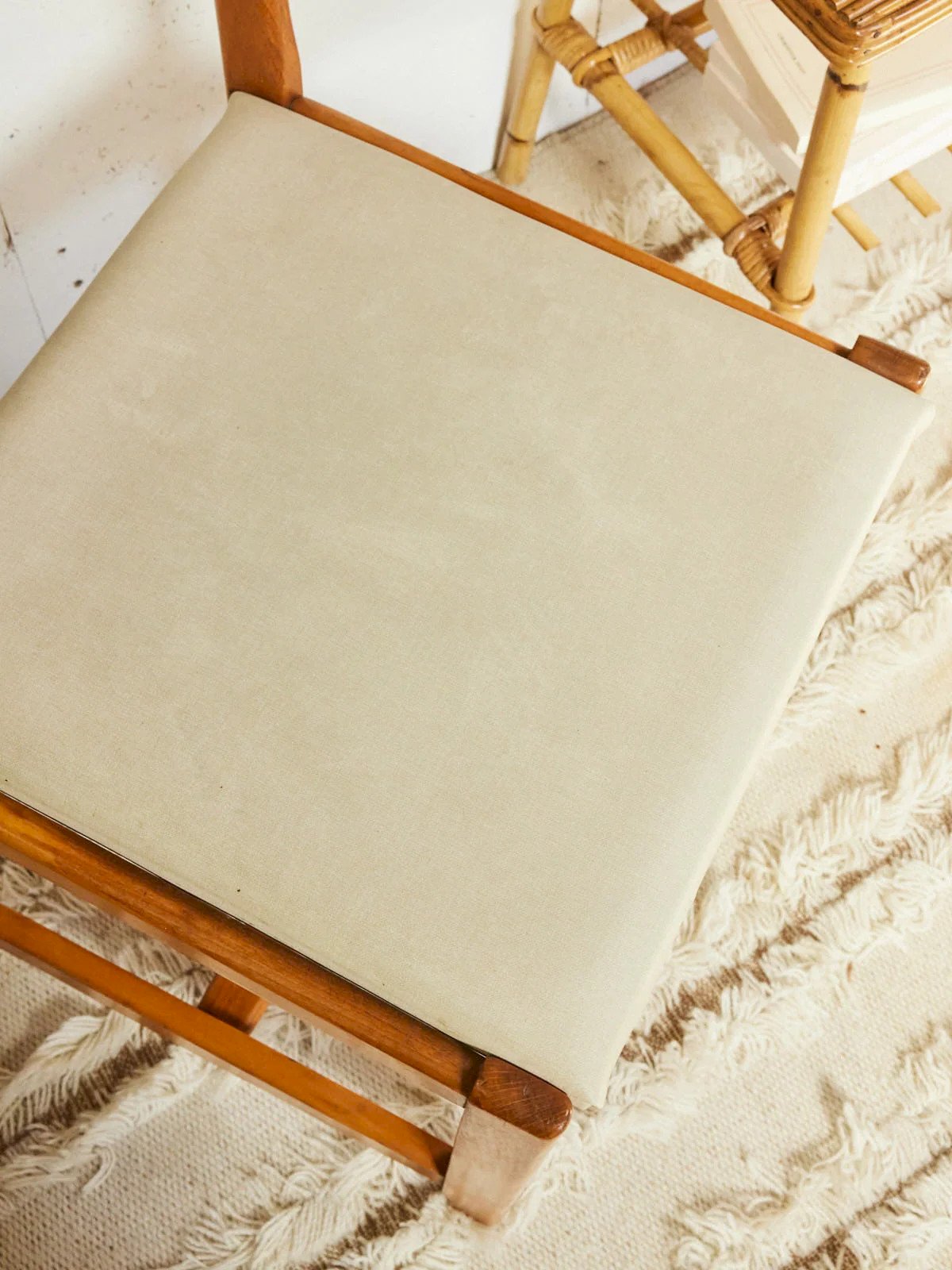
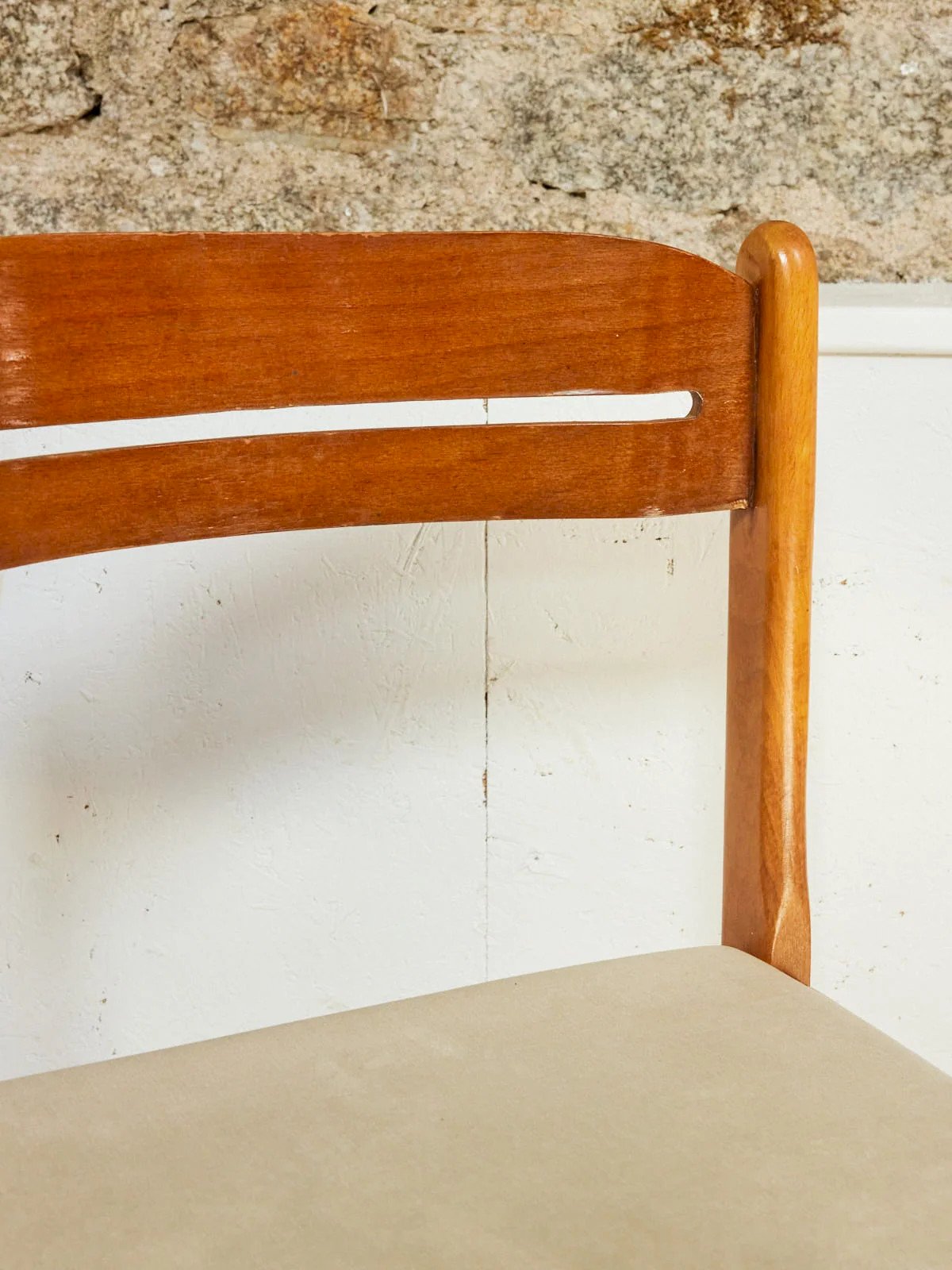
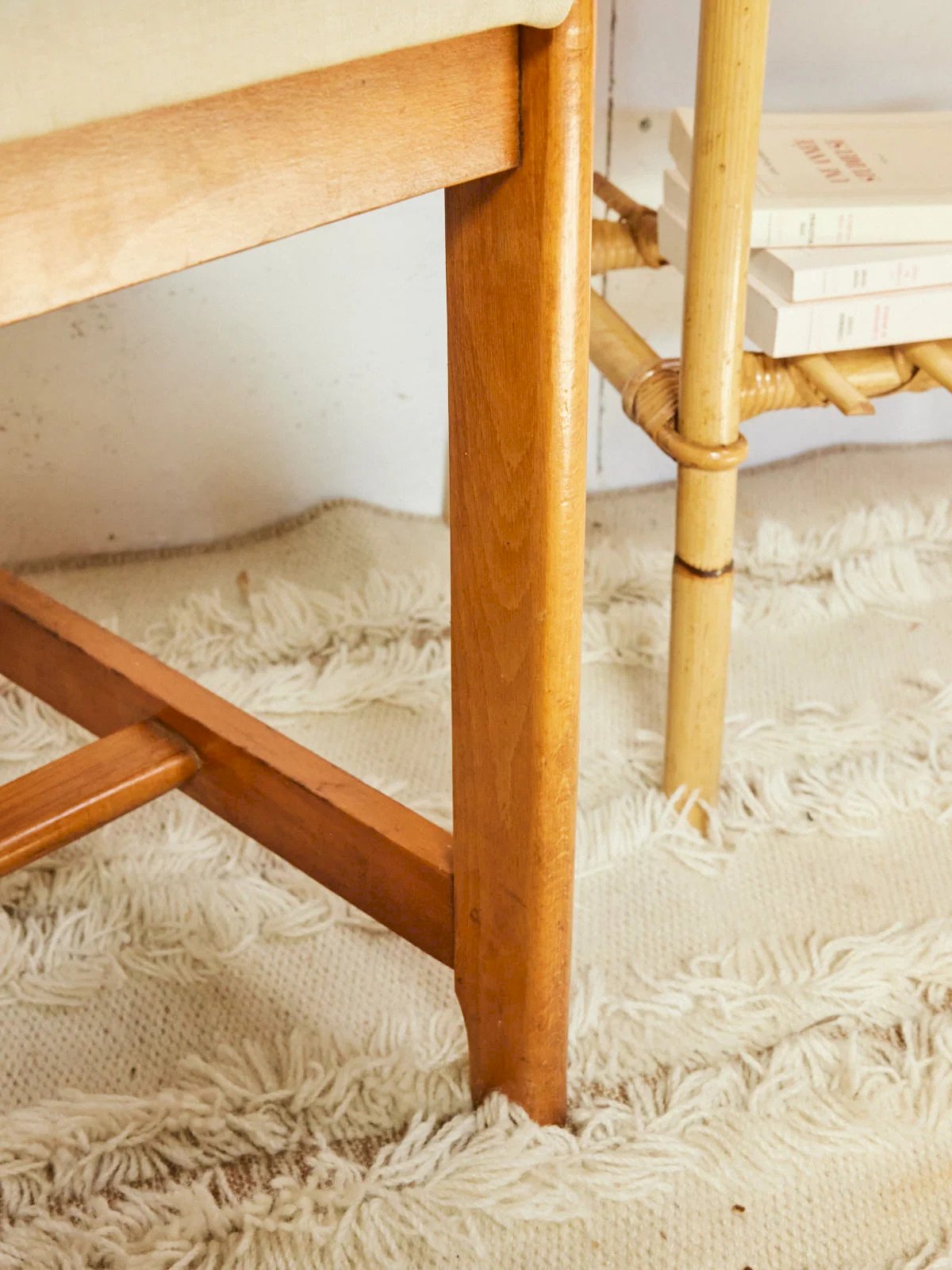
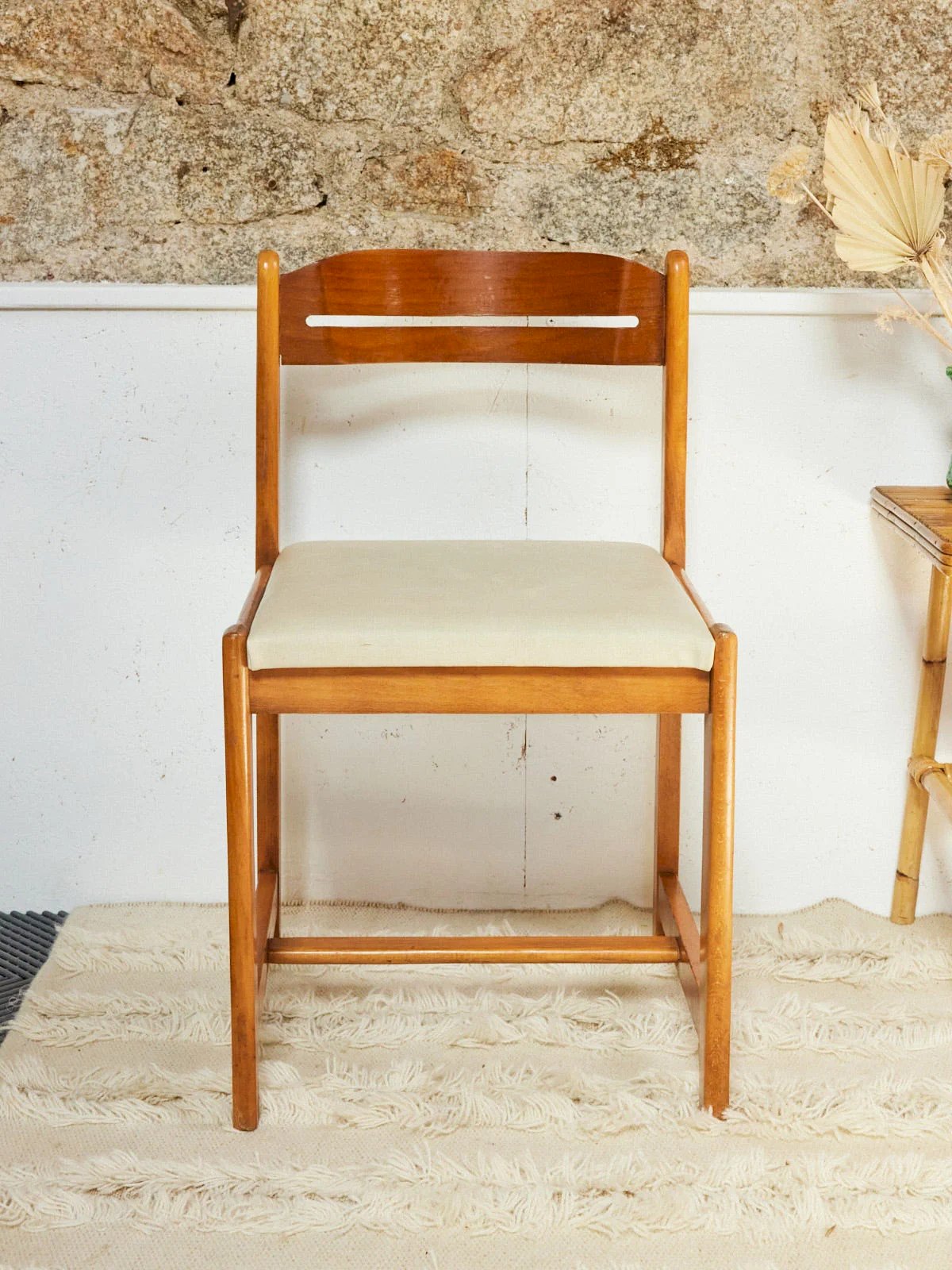
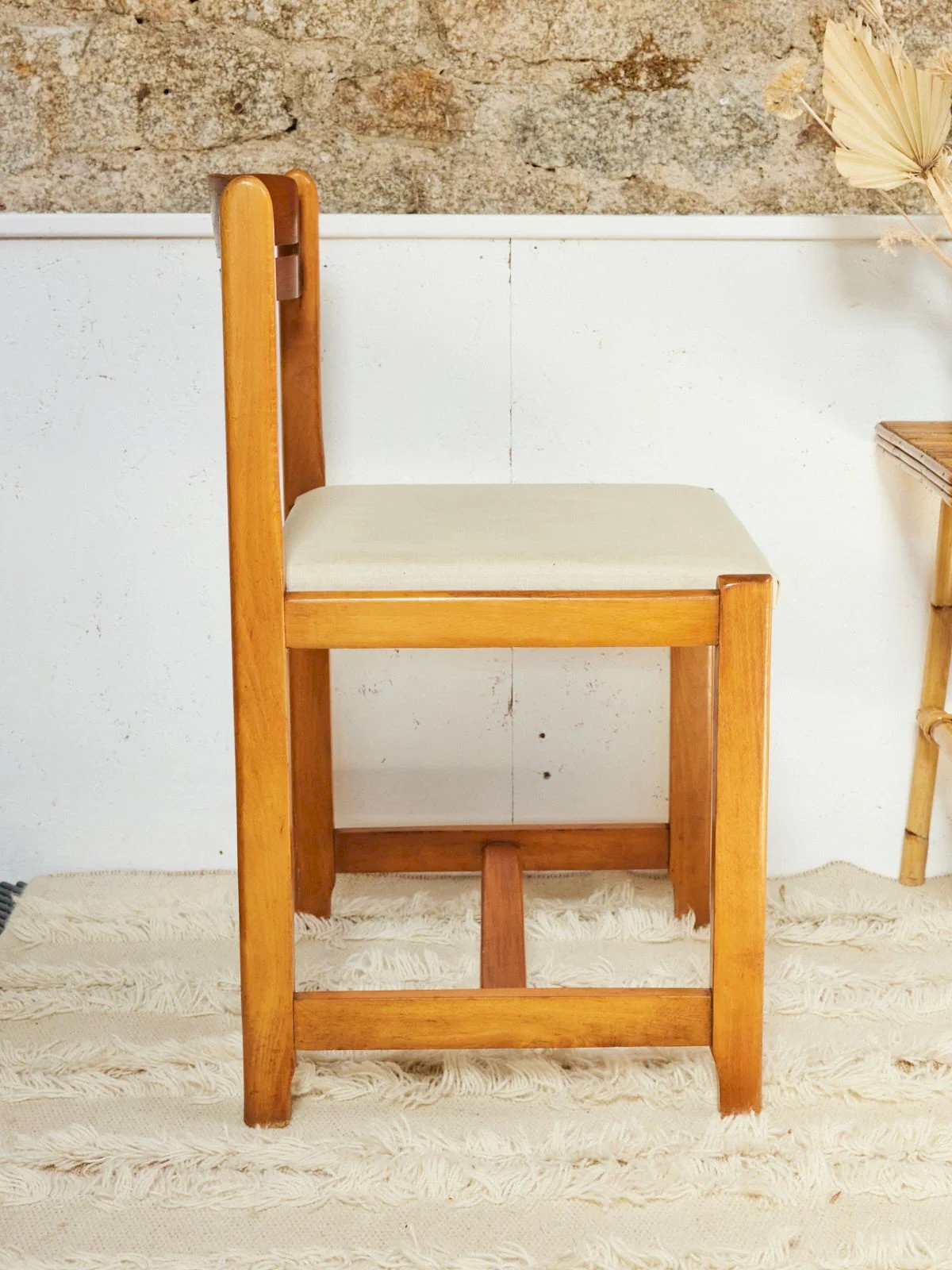
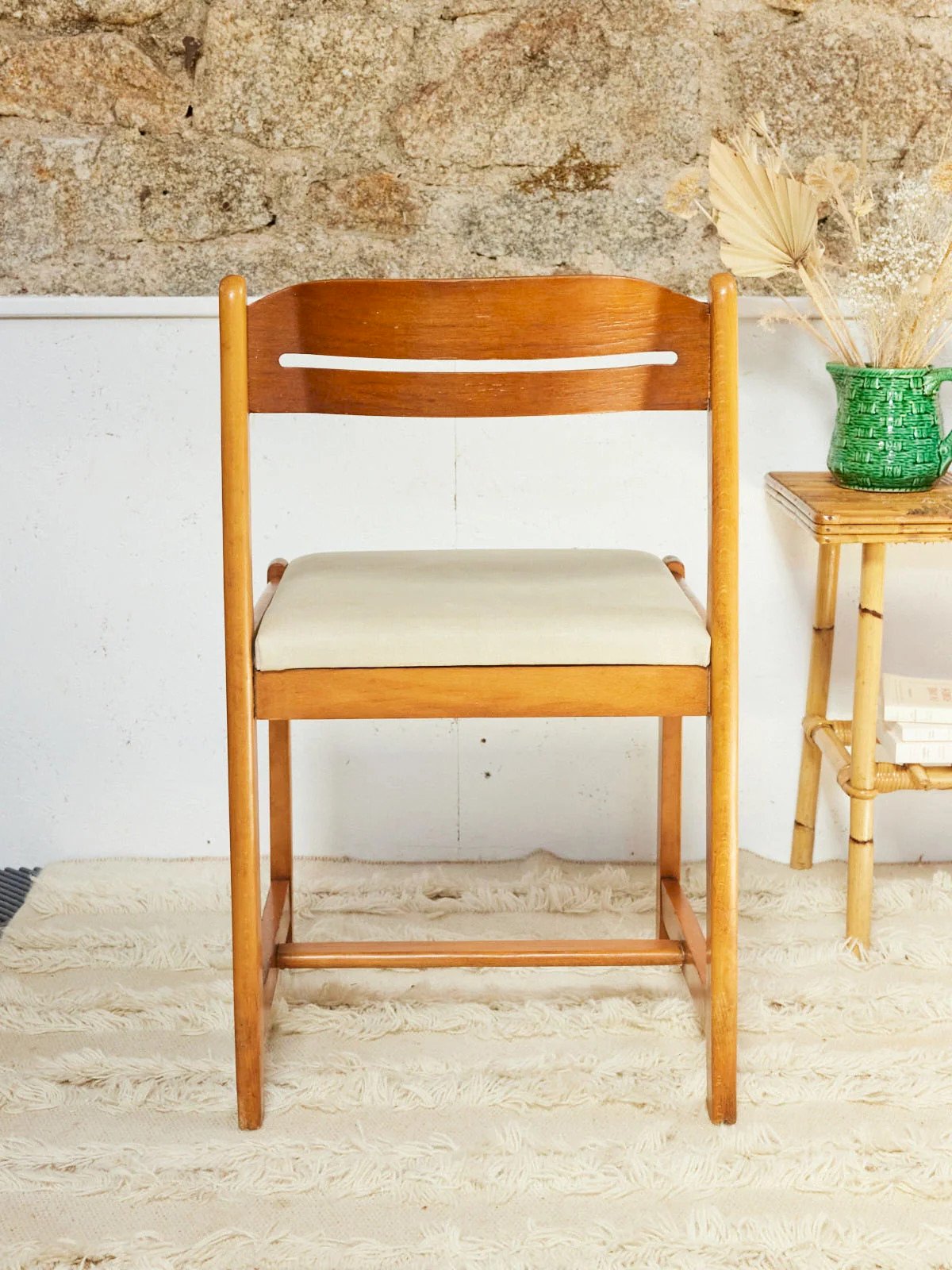
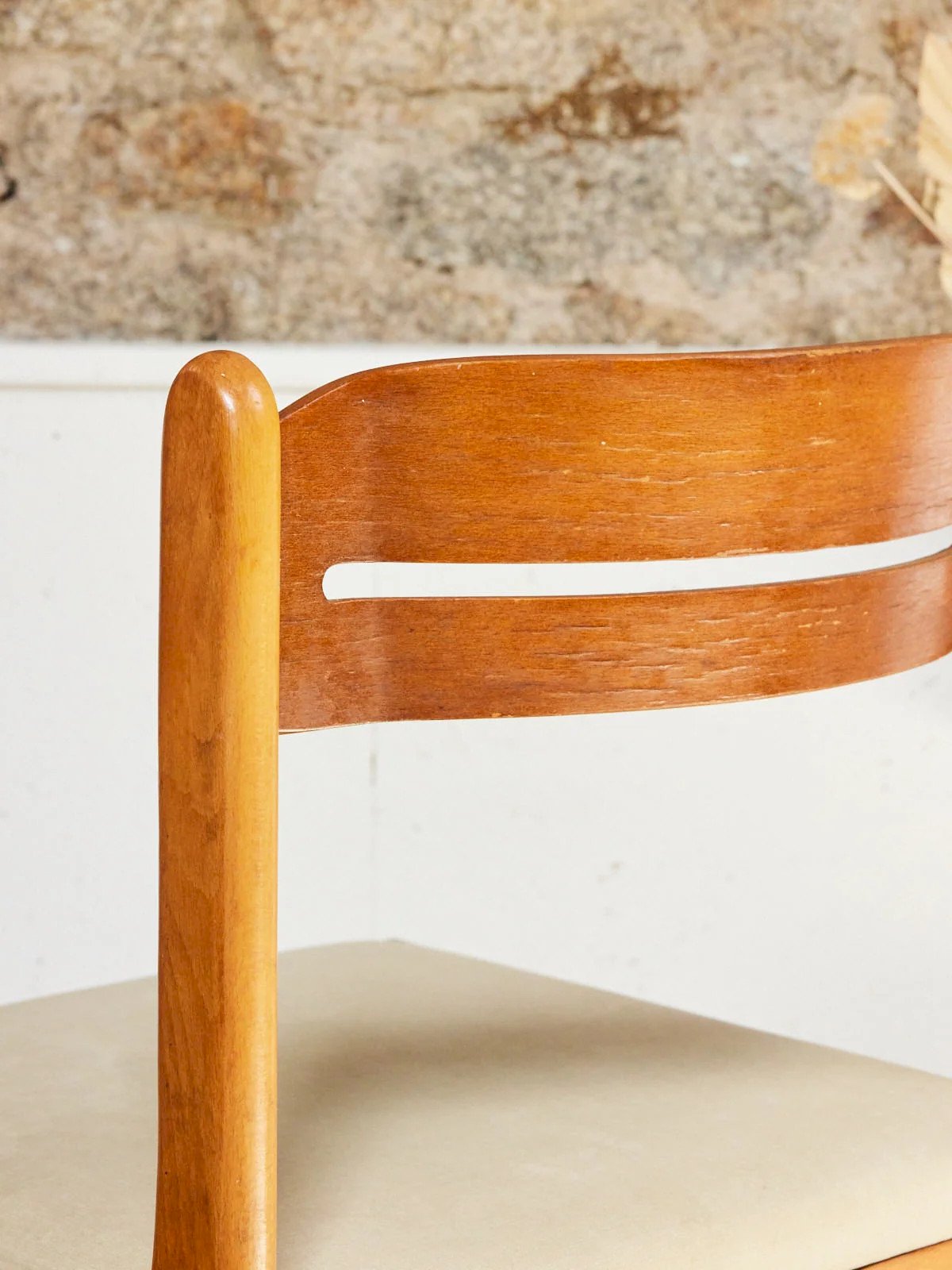
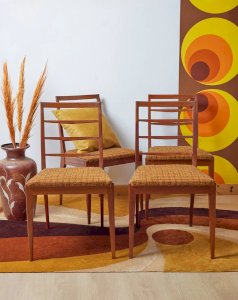
Adopt this Scandinavian chair in varnished wood, a true emblematic piece of mid-century style. Its sleek design and delicate curves bring a warm touch to your interior while offering optimal comfort thanks to its soft fabric seat. Ideal for a reading nook or as an accent chair, this creation integrates harmoniously into various atmospheres, from modern to retro. Some signs of use that add to its authenticity. 4 available Width: 44 cm Depth: 44 cm Height: 76 cm Seat height: 45 cm Seat width: 40 cm Seat depth: 40 cm A Brief History of the Chair In the Middle Ages, sitting in a chair with a backrest was a rare privilege, reserved for the one who led the assembly: the "president" [from the Latin praesidere, to sit before]. For a long time a symbol of prestige compared to the benches and stools of the common people, the chair only became democratized in the 18th century, evolving into a daily object. It differs from an armchair by the absence of armrests, designed to offer total freedom of movement around a table or desk. The fruit of a constant quest between lightness and solidity, it has evolved from carved solid wood to more modern lines, making each seat a witness to the history of comfort.
Réf :
#412725
Brand / From : Debongout
Related Products


Comments
Alma, the Scandinavian wooden chair No. 1666
159€
75002 Paris
Ce site contient des liens d’affiliation pour lesquels je peux recevoir une compensation.
Description
Adopt this Scandinavian chair in varnished wood, a true emblematic piece of mid-century style. Its sleek design and delicate curves bring a warm touch to your interior while offering optimal comfort thanks to its soft fabric seat. Ideal for a reading nook or as an accent chair, this creation integrates harmoniously into various atmospheres, from modern to retro. Some signs of use that add to its authenticity. 4 available Width: 44 cm Depth: 44 cm Height: 76 cm Seat height: 45 cm Seat width: 40 cm Seat depth: 40 cm A Brief History of the Chair In the Middle Ages, sitting in a chair with a backrest was a rare privilege, reserved for the one who led the assembly: the "president" [from the Latin praesidere, to sit before]. For a long time a symbol of prestige compared to the benches and stools of the common people, the chair only became democratized in the 18th century, evolving into a daily object. It differs from an armchair by the absence of armrests, designed to offer total freedom of movement around a table or desk. The fruit of a constant quest between lightness and solidity, it has evolved from carved solid wood to more modern lines, making each seat a witness to the history of comfort.
Réf :
#412725
Brand / From : Debongout