 English
 Français


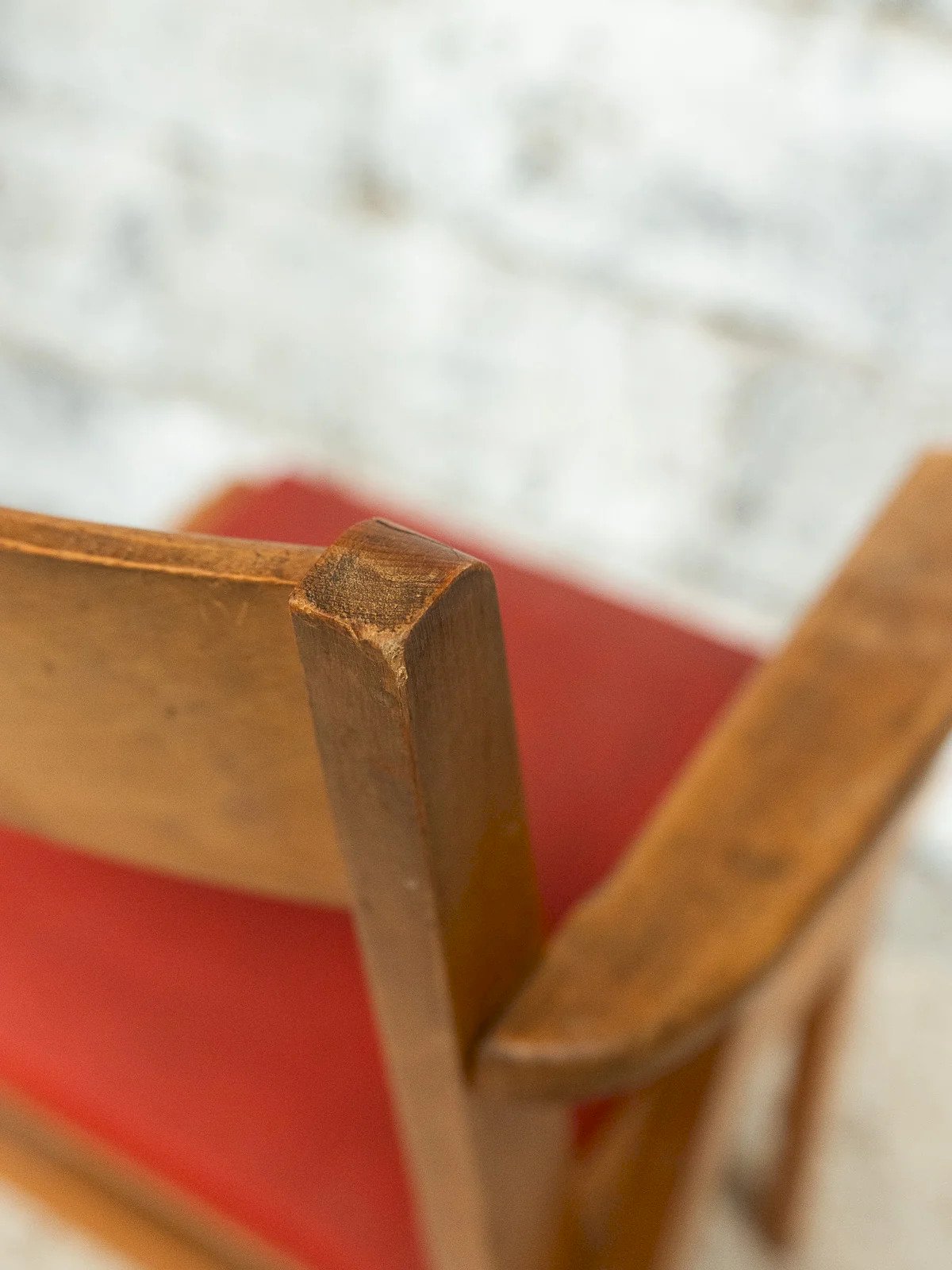
Description
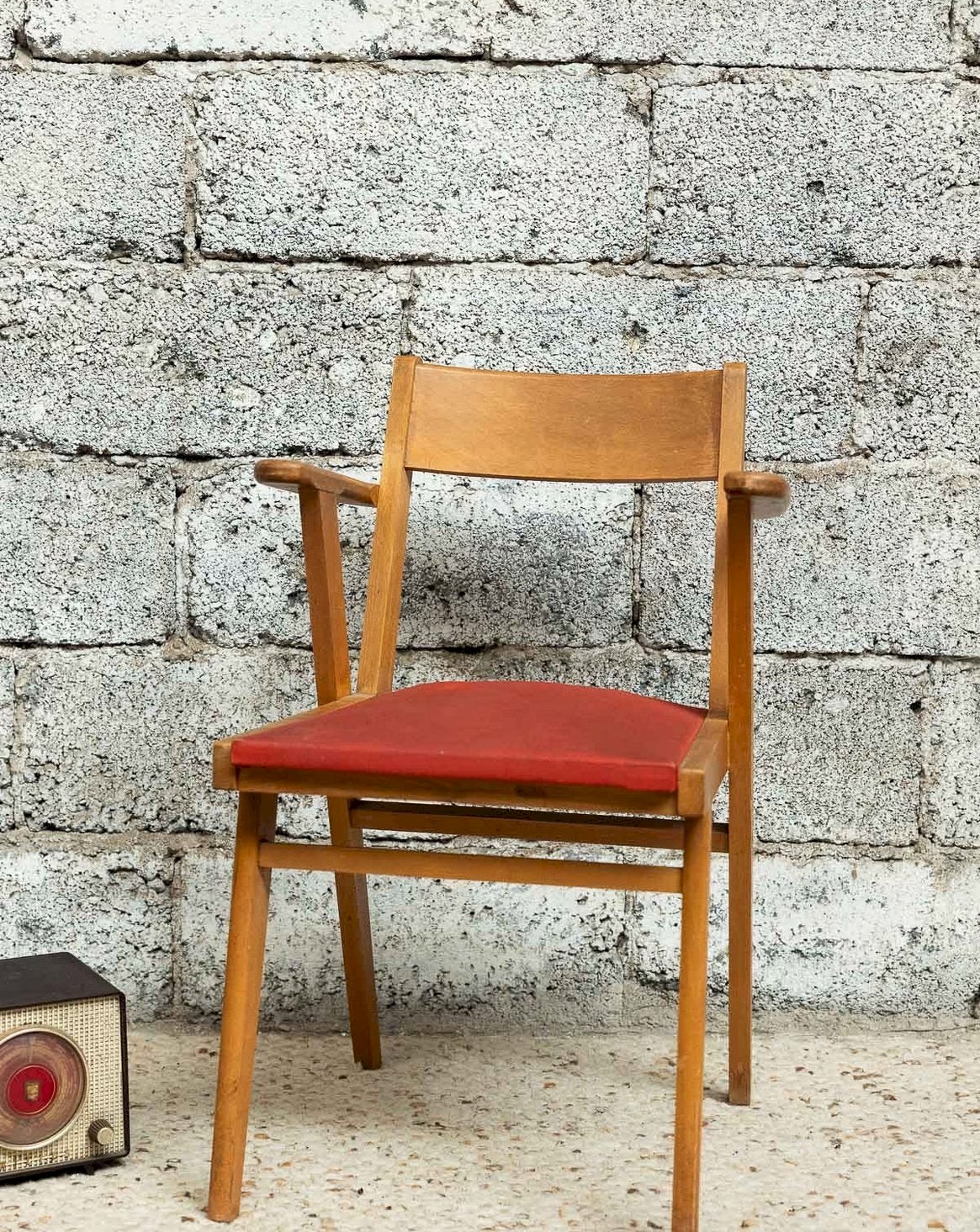
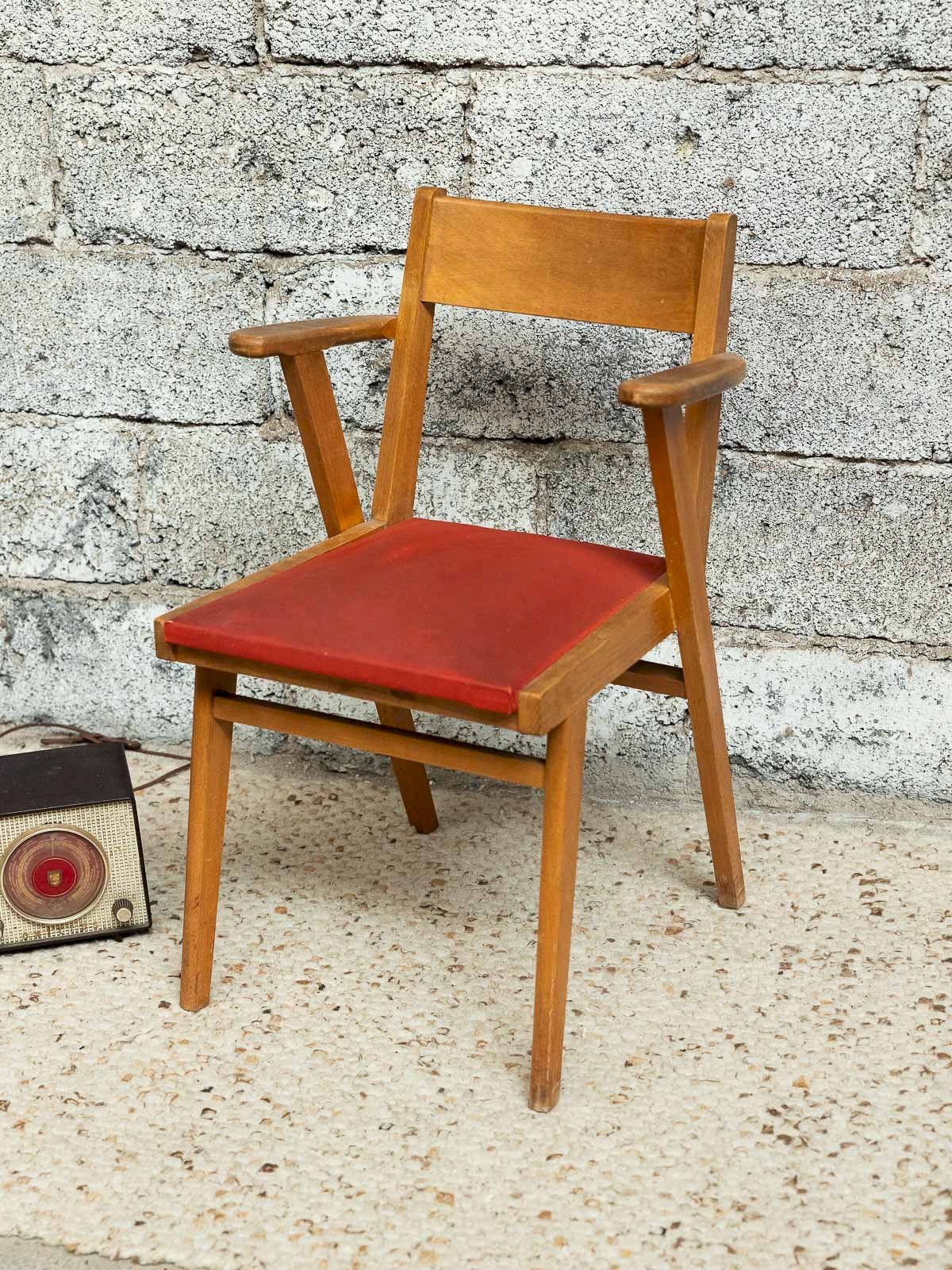
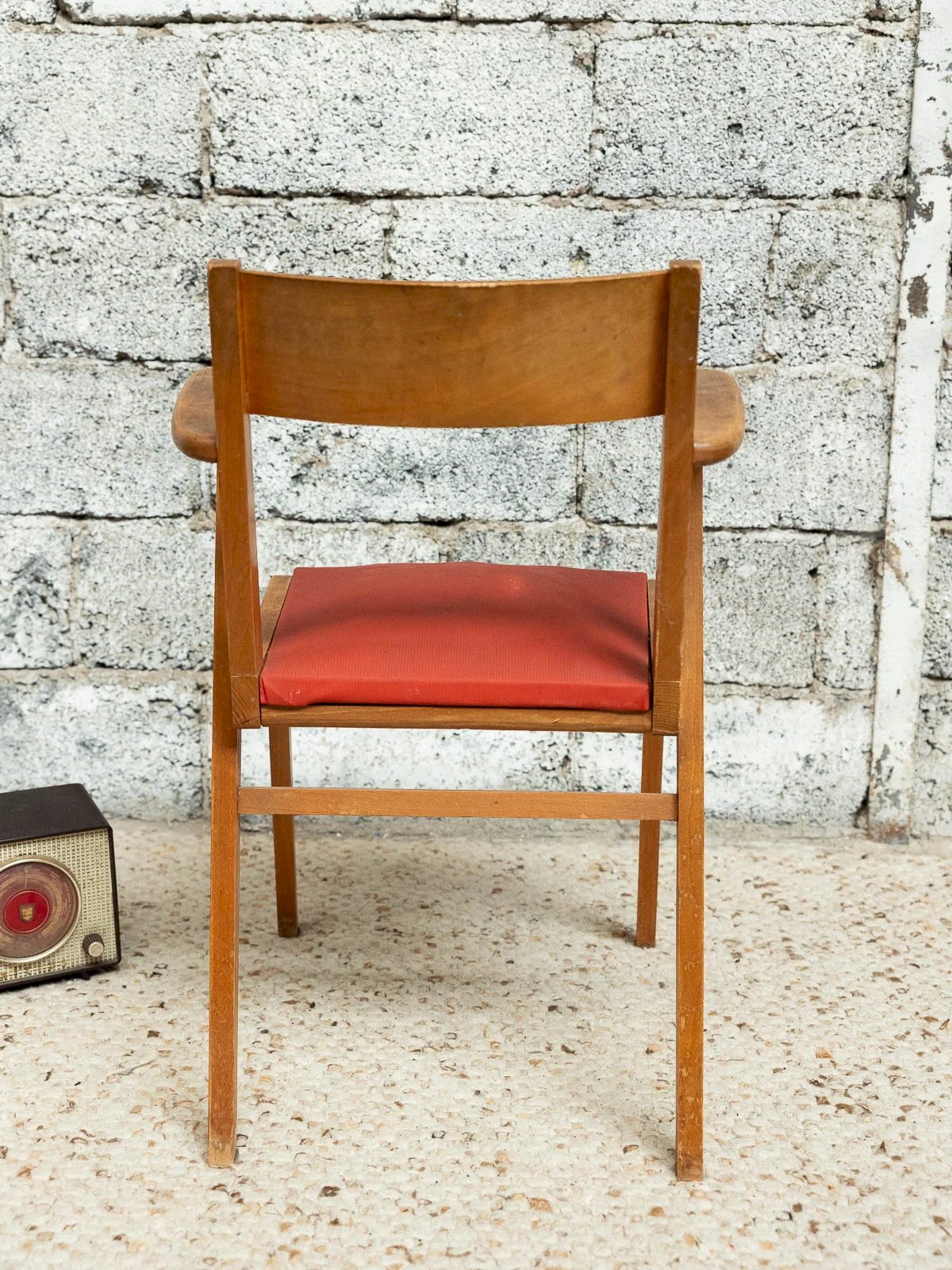
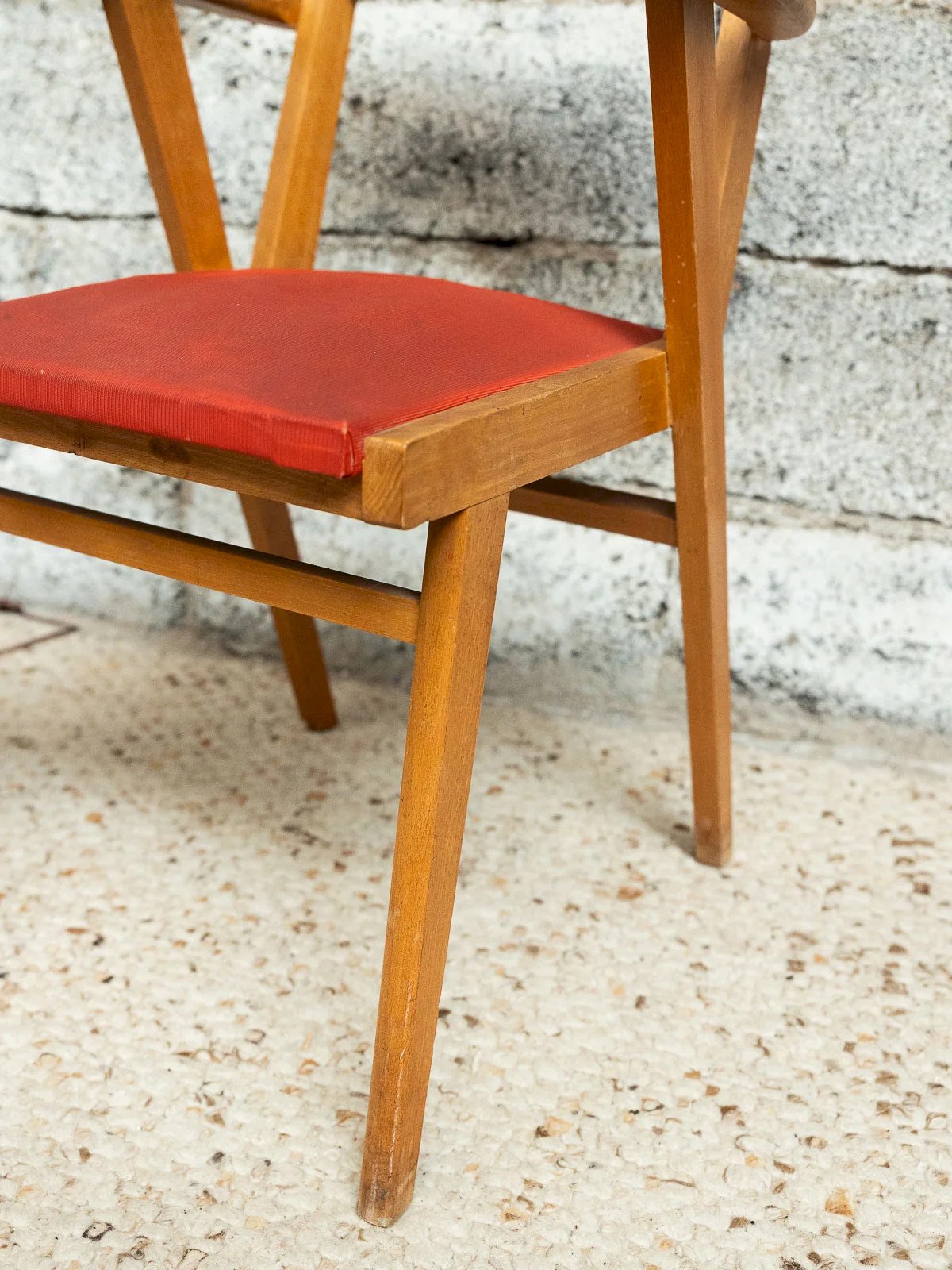
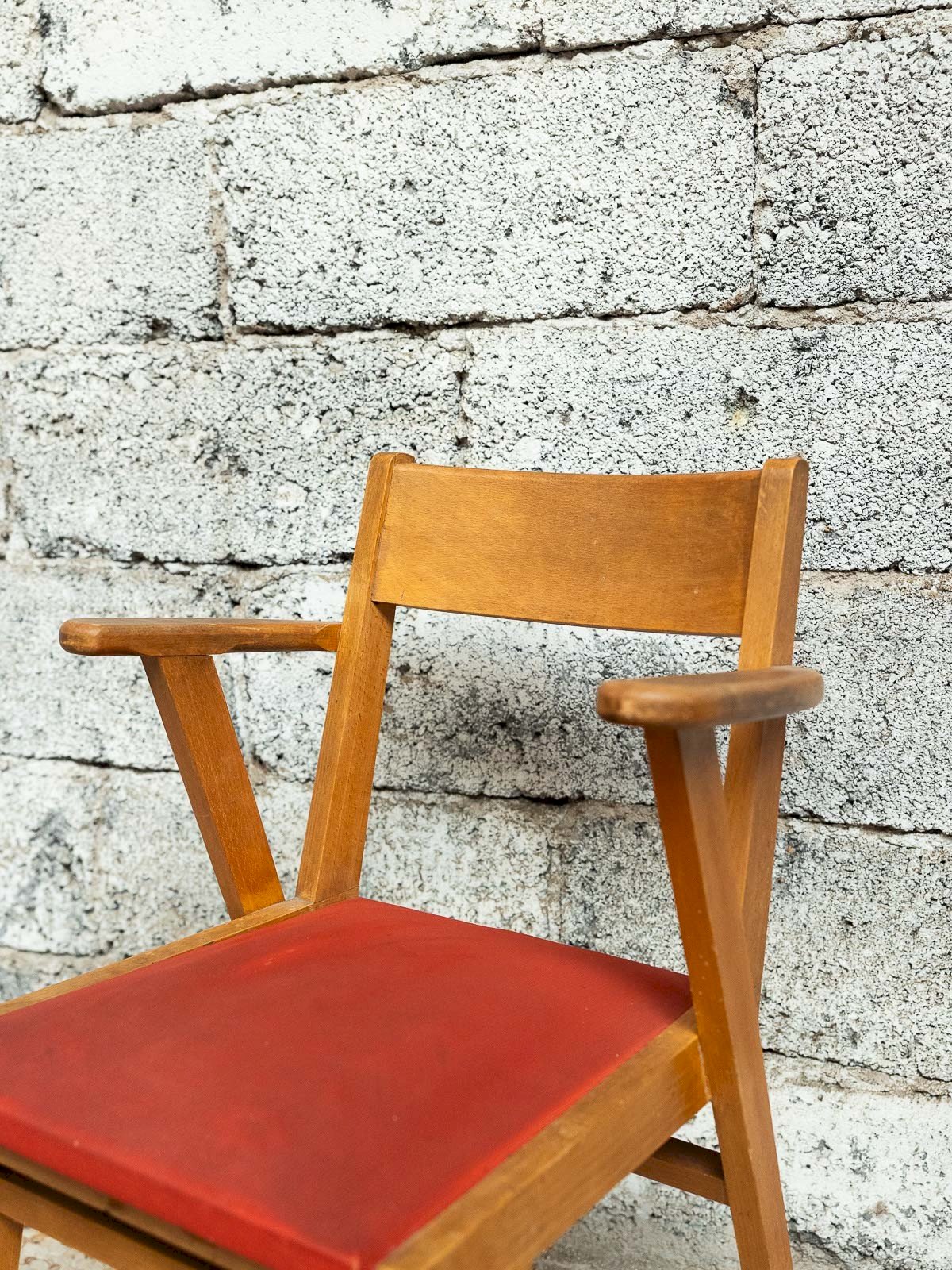
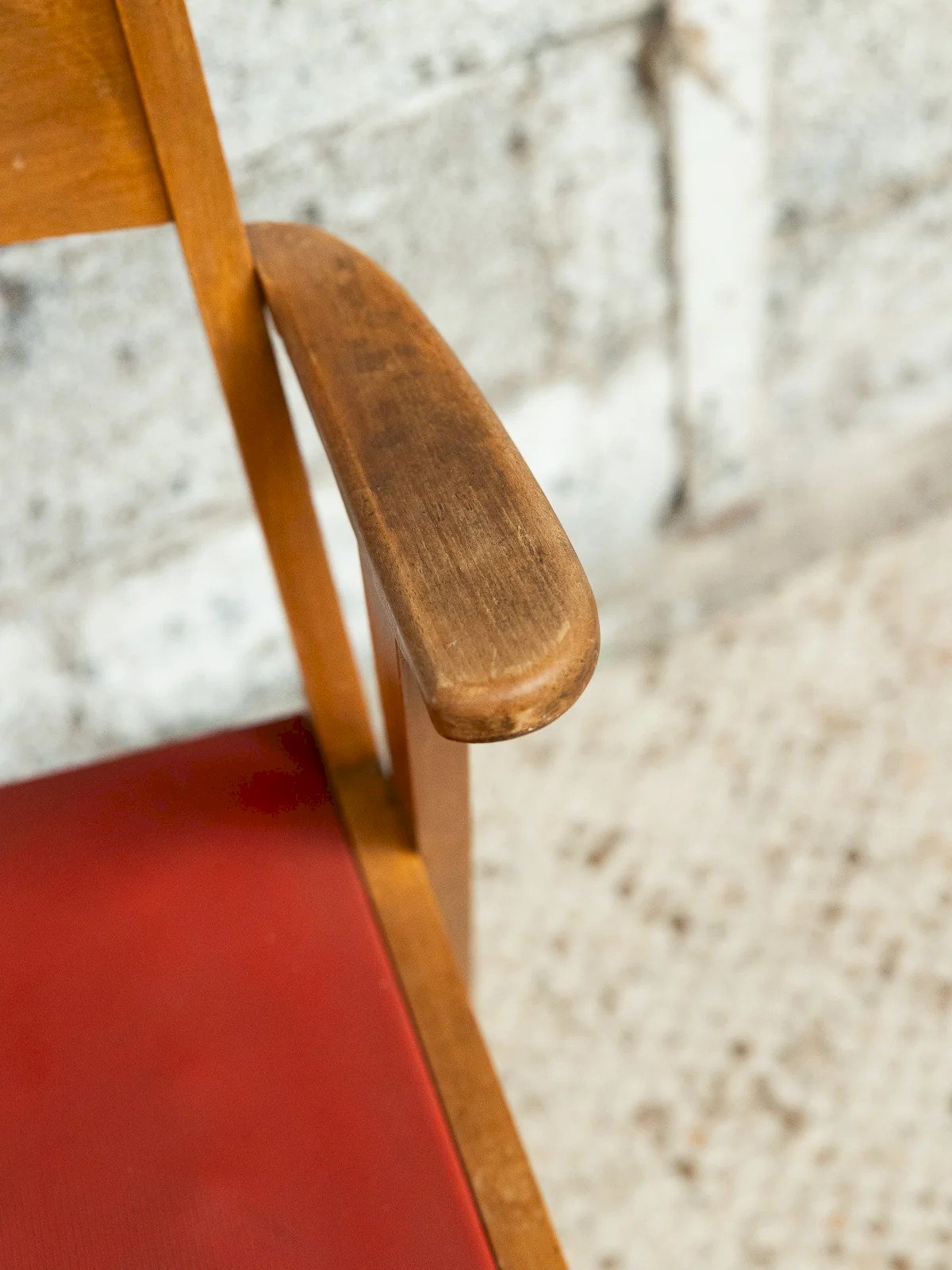
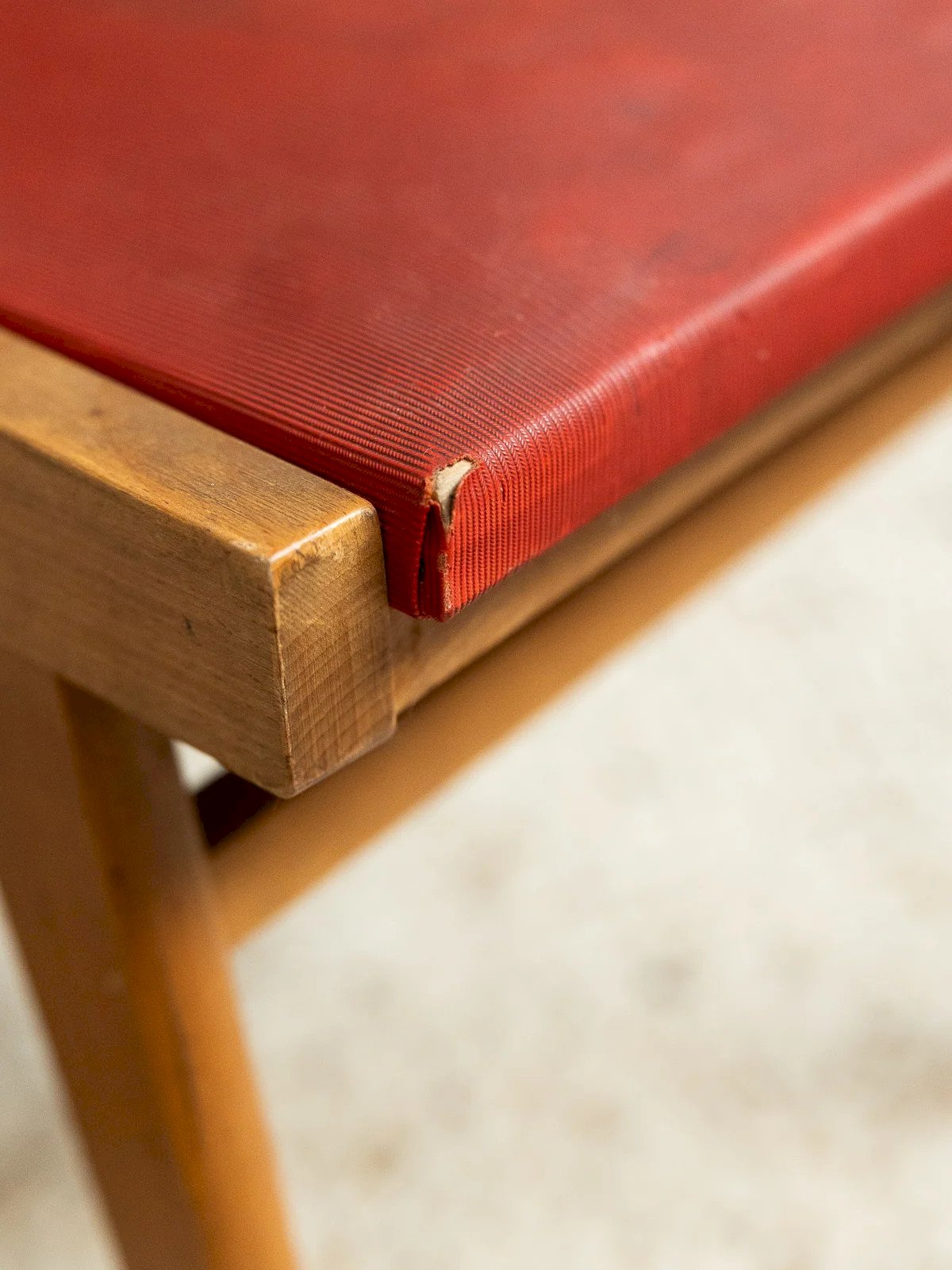
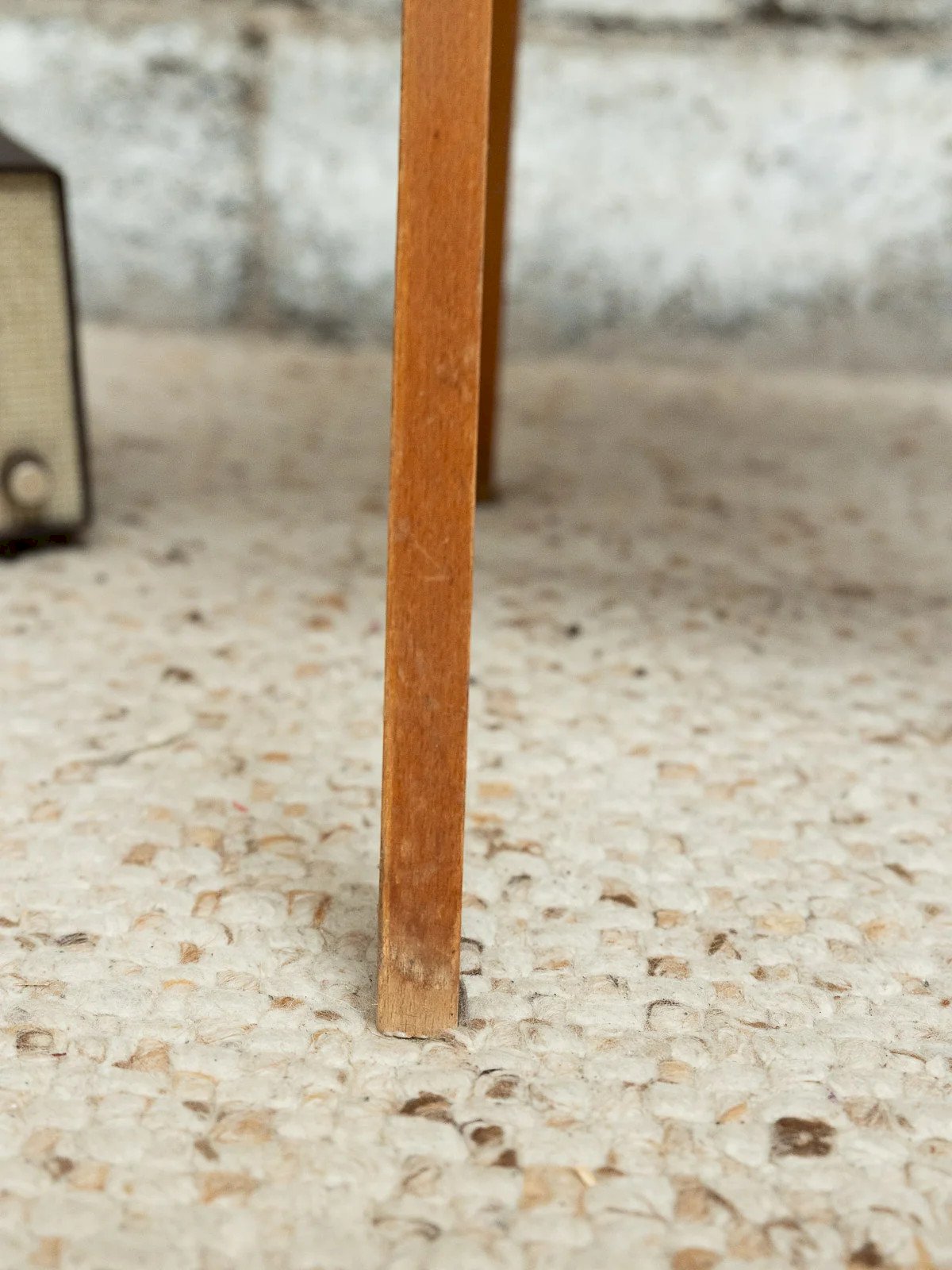
Invite elegance into your home with this wooden chair featuring an inspiring geometric design. Its vibrant red seat adds a touch of modernity while providing pleasant comfort, making it ideal for a dining room or an office. The harmonious lines of this Bridge model seamlessly integrate into various decorative styles, creating a warm and welcoming atmosphere. Some signs of use highlight its story and authentic character. Width: 50 cm Depth: 48 cm Height: 74 cm Seat height: 42 cm Seat width: 42 cm Seat depth: 42 cm A brief history of the chair In the Middle Ages, sitting in a chair with a backrest was a rare privilege, reserved for the one who led the assembly: the "president" [from the Latin praesidere, to sit before]. For a long time, it was a symbol of prestige compared to the benches and stools of the common people, and the chair only became democratized in the 18th century to become a daily object. It is distinguished from the armchair by the absence of armrests, with a structure designed to offer total freedom of movement around a table or desk. A result of a constant quest between lightness and sturdiness, it has evolved from sculpted solid wood to more modern lines, making each seat a witness to the history of comfort.
Réf :
#413211
Brand / From : Debongout
Related Products

Comments
Alma, the Bridge chair No. 1822
169€
75002 Paris
Ce site contient des liens d’affiliation pour lesquels je peux recevoir une compensation.
Description
Invite elegance into your home with this wooden chair featuring an inspiring geometric design. Its vibrant red seat adds a touch of modernity while providing pleasant comfort, making it ideal for a dining room or an office. The harmonious lines of this Bridge model seamlessly integrate into various decorative styles, creating a warm and welcoming atmosphere. Some signs of use highlight its story and authentic character. Width: 50 cm Depth: 48 cm Height: 74 cm Seat height: 42 cm Seat width: 42 cm Seat depth: 42 cm A brief history of the chair In the Middle Ages, sitting in a chair with a backrest was a rare privilege, reserved for the one who led the assembly: the "president" [from the Latin praesidere, to sit before]. For a long time, it was a symbol of prestige compared to the benches and stools of the common people, and the chair only became democratized in the 18th century to become a daily object. It is distinguished from the armchair by the absence of armrests, with a structure designed to offer total freedom of movement around a table or desk. A result of a constant quest between lightness and sturdiness, it has evolved from sculpted solid wood to more modern lines, making each seat a witness to the history of comfort.
Réf :
#413211
Brand / From : Debongout